

Safe Home Remedies for Mild Vomiting in Cats
Understanding Cat Vomiting: Causes and When to Seek Veterinary Care
Recognizing Vomiting in Cats
Vomiting is common in cats. An occasional episode is often harmless, but frequent or severe vomiting can signal a serious health problem. Knowing when to call a veterinarian protects your cat’s well‑being.
At Southern Arizona Veterinary Specialty & Emergency Center we offer advanced diagnostics and treatment for feline digestive issues. If your cat vomits repeatedly, contact us for help.
What’s Normal vs. Concerning?
Occasional Vomiting
Typical, infrequent causes include:
- Hairballs – Common in cats that groom frequently, especially long‑haired breeds.
- Eating too fast – Can cause regurgitation, particularly in multi‑cat households.
When Vomiting Is a Concern
Vomiting becomes serious when it is accompanied by any of the following:
- Blood in the vomit (bright red or coffee‑ground appearance)
- Lethargy, weakness, or behavior changes
- Significant weight loss
- Dehydration (sunken eyes, dry gums, excessive thirst)
- Diarrhea, constipation, or abdominal bloating
Certain types of vomit can indicate specific health concerns. Learn more about types of cat vomit.
Common Causes of Vomiting in Cats
Dietary Issues and Food Sensitivities
Cats have sensitive digestive systems and may vomit due to:
- Food allergies or intolerances – Reactions to specific proteins or additives.
- Sudden diet changes – Introducing a new food too quickly can upset the stomach.
- Ingestion of foreign objects – String, rubber bands, or toxic plants may cause vomiting or obstruction.
If your cat has eaten something inedible, seek veterinary care immediately.
Infections and Parasites
Infections or parasites that can trigger vomiting include:
- Feline panleukopenia (distemper) – A viral disease affecting the gastrointestinal tract.
- Bacterial overgrowth – Harmful bacteria proliferating in the intestines.
- Worms and protozoa (e.g., Giardia) – Can cause chronic vomiting and diarrhea.
Keeping vaccinations up to date and using regular parasite prevention are essential to reduce these risks.
Chronic Conditions That Cause Vomiting
Long‑term illnesses that often lead to frequent vomiting include:
- Chronic Kidney Disease (CKD) – Toxin buildup causes nausea and vomiting.
- Hyperthyroidism – Increased metabolism can result in vomiting and weight loss.
- Inflammatory Bowel Disease (IBD) – Chronic intestinal inflammation leads to digestive upset.
These conditions require long‑term management, specialized diets, and routine veterinary monitoring.
Signs That Indicate a Medical Emergency
Seek immediate veterinary attention if your cat shows any of the following:
- Frequent vomiting (multiple episodes in a day or over several days)
- Blood in the vomit
- Severe lethargy or collapse
- Abdominal bloating or distension
- Inability to keep food or water down
Dehydration and electrolyte imbalances can become life‑threatening quickly. Contact emergency veterinary care without delay.
Managing Mild Vomiting at Home
If vomiting is mild, infrequent, and not accompanied by other concerning signs, you can try these steps:
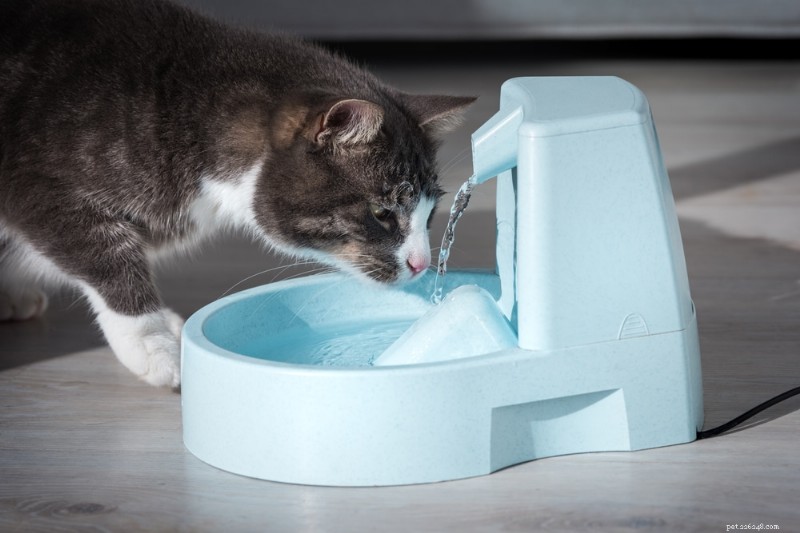
- Monitor hydration – Ensure constant access to fresh water.
- Withhold food for 6–12 hours, then reintroduce a bland diet such as boiled chicken or a prescription gastrointestinal formula.
- Reduce stress – Sudden routine changes, new pets, or travel can trigger vomiting.
If vomiting persists or worsens, contact your veterinarian for further evaluation.
How to Prevent Vomiting in Cats
Diet and Feeding Strategies
- Provide high‑quality, easily digestible food appropriate for your cat’s age and health status.
- Use slow‑feeder bowls to discourage rapid eating.
- Transition to new foods gradually over 7–10 days to avoid stomach upset.
Hairball Prevention
- Brush long‑haired cats regularly to reduce hair ingestion.
- Offer fiber‑rich diets or hairball‑prevention treats.
Hydration and Wellness Exams
- Maintain constant access to fresh water; consider wet food to boost moisture intake.
- Schedule routine veterinary check‑ups to catch early signs of disease before vomiting becomes chronic.
Learn more about the importance of routine wellness exams.
Comprehensive Veterinary Care for Your Cat
At Southern Arizona Veterinary Specialty & Emergency Center our team specializes in diagnosing and treating feline digestive issues. Whether vomiting is mild or severe, we provide expert care to help your cat feel better.
If you’re concerned about your cat’s vomiting, schedule an appointment today. Visit our website to contact us.
Frequently Asked Questions
How often is it normal for a cat to vomit?
Occasional vomiting may be harmless, but frequent or severe episodes should be evaluated by a veterinarian.
Can stress cause vomiting in cats?
Yes. Changes in routine, moving, or introducing new pets can trigger stress‑related vomiting. Reducing stress through enrichment and stable routines helps.
What if my cat vomits after eating?
Try feeding smaller meals, using a slow‑feeder bowl, or switching to a sensitive‑stomach diet. If vomiting continues, consult a veterinarian to rule out food allergies or underlying conditions.
What should I do if my cat vomits a hairball?
Occasional hairballs are normal, but frequent hairball vomiting may indicate excessive grooming or digestive issues. Increase fiber intake, use hairball‑control diets, and brush your cat regularly.
By understanding the causes of vomiting and taking proactive steps, you can help ensure your cat’s health and comfort. If vomiting becomes frequent or severe, our team at Southern Arizona Veterinary Specialty & Emergency Center is here to help.
- Pet Behavior
- Pet Breeds
- Pet Names
- Pet Adoption
- Pet Training
- Pet Information
- Pet Health
- Adorable Pets
- Dogs
- Can Cats Safely Eat Canned Chicken? Expert Nutrition Tips
- Recognizing and Managing Cat Nausea: 9 Essential Signs & Treatment Options
- Why Retractable Dog Leashes Are Risky—and What to Use Instead
- Do Dogs Really Enjoy Your Singing? Find Out the Truth
- Discover 7 Stunning Belgian Dog Breeds: Heritage, Loyalty & Energy
- Understanding Dog Tail Wagging: A Comprehensive Visual Guide
- The 10 Most Iconic Dogs That Shaped History