

Managing Diabetes in Dogs: Essential Nutrition and Food Options
All featured products are chosen at the discretion of the GreatPetCare editorial team and do not reflect a direct endorsement by the author or reviewer.
Diabetes in dogs is a metabolic disorder where the body cannot effectively process glucose. While the condition is well known in humans, it also affects many pets, especially older and overweight dogs.
Effective care for a diabetic dog requires a comprehensive plan that includes a balanced diet, regular exercise, and insulin therapy. Continuous monitoring of blood glucose is crucial, as both hyperglycemia and hypoglycemia can lead to serious complications.
Meal timing and portion control become even more critical. Feeding at consistent times and aligning meals with insulin injections help maintain stable blood sugar levels.
Wondering whether you can continue your dog’s regular food? In many cases, the answer is yes—but only if the diet is low in carbohydrates and high in fiber and moderate in protein, and you work closely with a veterinarian.
Our Top Picks
- Royal Canin Glycobalance Dry Dog Food
- Hill’s Prescription Diet w/d Multi-Benefit Dog Food
What to Feed a Diabetic Dog

Diet is a cornerstone of diabetes management. Feeding high‑carbohydrate foods or giving table scraps can destabilize blood glucose and trigger complications such as extreme weight loss, cataracts, dehydration, recurrent skin or urinary infections, and liver disease.
According to Dr. Sarah Wooten, a Colorado veterinarian, “If a diabetic dog consumes foods high in carbohydrates, blood sugar will be harder to control and often elevated.”
Many dogs can remain on their current maintenance diet if it is low in carbs, high in fiber, and contains moderate protein. Veterinarians typically focus on insulin dosing, portion size, and weight management rather than a complete diet overhaul.
However, if your dog’s present food is not suitable, a prescription diabetic formula may be recommended. Ideal veterinary diets keep protein under 40% to avoid excessive protein load while ensuring adequate muscle maintenance.
What Is Diabetic Dog Food?
Prescription diabetic foods are specially formulated to support blood glucose control. Dr. Natalie Marks, a veterinarian and industry consultant, outlines three primary goals:
- Use low‑glycemic index carbohydrates to minimize post‑meal glucose spikes.
- Incorporate extra fiber to promote satiety and aid weight maintenance.
- Offer higher protein and lower fat to support digestion and overall health.
These products provide a proven nutritional strategy with minimal drawbacks—cost being the primary consideration.
Best Diabetic Dog Foods
Below are two widely recommended prescription options:
Royal Canin Glycobalance Dry Dog Food
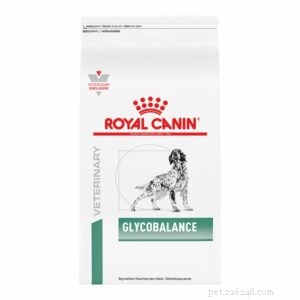
Royal Canin is a trusted name in veterinary nutrition. The Glycobalance line reduces starch by 49% compared to standard adult formulas, providing a lower carbohydrate base while delivering high protein content to support muscle mass and healthy weight.
Key Benefits
- Veterinary‑prescribed and endorsed.
- Formulated to stabilize blood glucose.
- High protein to maintain muscle mass.
- Available in dry and wet formulations.
Hill’s Prescription Diet w/d Multi‑Benefit Dog Food
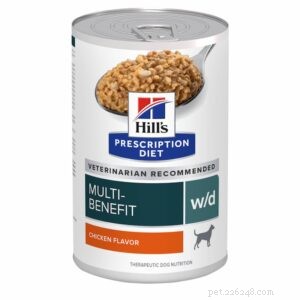
Hill’s w/d Multi‑Benefit offers L‑carnitine for efficient fat metabolism, soluble and insoluble fiber for glucose control, and support for digestive and urinary health—making it an excellent choice for dogs with concurrent health issues.
Key Benefits
- Veterinary‑trusted and widely used.
- Addresses multiple conditions including weight, digestive, and urinary health.
- Includes L‑carnitine to aid in fat utilization.
Non‑Prescription Diabetic Dog Food
When prescription diets are not feasible, look for over‑the‑counter options that meet these criteria:
- Dry‑matter carbohydrate content around 25%.
- Low glycemic index carbs such as soybeans; avoid potatoes.
- Inclusion of L‑carnitine.
- Higher fiber—10–20% for overweight dogs, 5–15% for dogs at a healthy weight.
Discuss any chosen product with your veterinarian to ensure it aligns with your dog’s medical history.
Switching Foods: Tips and Advice
When transitioning to a new formula, do so gradually and watch for any adverse reactions. Monitor blood glucose closely during the switch to detect any spikes or drops.
Never introduce a new diet without consulting your vet first. As Dr. Marks emphasizes, “The most important first step is a conversation with your veterinarian and a physical exam to tailor the diet to your dog’s specific needs.”
Equally vital is meal timing and portion control. Consistent feeding times and alignment with insulin injections help maintain optimal glucose levels.
- Pet Behavior
- Pet Breeds
- Pet Names
- Pet Adoption
- Pet Training
- Pet Information
- Pet Health
- Adorable Pets
- Dogs
- Understanding Your Cat’s Perspective on Your Dog
- Key Symptoms of Blood Clots in Dogs: What to Watch For
- Understanding Normal Creatinine Levels in Dogs for Accurate Kidney Health Assessment
- Finding the Ideal Mate for Your Dog—Offline & Online
- Do Dogs Experience Mosquito Bites? Understanding Their Sensations and Risks
- Train Your German Shepherd Puppy: Expert Tips for a Well-Behaved Companion
- Protect Your Pet’s Paws This Winter: Expert Tips for Safe Outdoor Adventures