

Vet‑Approved Dog Food for Arthritis: 5 Top Choices
All featured products are chosen at the discretion of the GreatPetCare editorial team and do not reflect a direct endorsement by the author or reviewer.
An estimated 1 in 4 adult dogs suffers from arthritis. While there is no single cure, a focused diet can help ease discomfort and slow progression. To cut through the confusion, we consulted veterinarians who identified the best foods for joint health and shared practical guidance on what to look for when selecting a diet for canine arthritis.
Always consult your veterinarian before changing your dog’s diet or if you suspect arthritis.
Our Picks
- Best Overall Dog Food for Arthritis: Hill’s Prescription Diet j/d Joint Care
- Best Dry Dog Food for Arthritis: Purina Pro Plan Veterinary Diets JM Joint Mobility Dry Dog Food
- Best Canned Dog Food for Arthritis: Royal Canin Veterinary Diet Adult Advanced Mobility Support Loaf in Sauce Wet Food
- Best Large Breed Dog Food for Arthritis: Hill’s Science Diet Healthy Mobility Large Breed
- Best Senior Dog Food for Arthritis: Blue Buffalo Natural Veterinary Diet W+M Weight Management + Mobility Support
Dog Arthritis and Diet: What’s the Connection?
Although arthritis in dogs is generally unavoidable, strategic nutrition and supplements can slow its progression, says Dr. Joseph Wakshlag, DVM, Cornell University College of Veterinary Medicine. A lean body weight is essential, as obesity is an inflammatory condition that adds strain to joints. “Weight loss is the number one recommendation,” Wakshlag notes. Even modest reductions in weight can make a noticeable difference.
Dr. Gabrielle Fadl, director of primary care at Bond Vet, explains that a complete and balanced diet—following AAFCO guidelines—is adequate for most dogs. However, “some dogs may benefit from a diet specifically designed to support joint health, incorporating targeted ingredients or supplements.”
Omega‑3 fatty acids are among the most widely studied anti‑inflammatory nutrients for dogs. Dr. Valerie Parker, clinical professor at Ohio State University College of Veterinary Medicine, says “fish oil–derived EPA and DHA are the best evidence‑based components for joint diets.”
Other common ingredients in joint‑focused foods include antioxidants such as vitamin E, turmeric, berries, and glucosamine to support cartilage integrity.
5 Best Dog Foods for Arthritis According to Vets
This list is intended as a guide; your veterinarian can tailor recommendations to your dog’s specific needs.
Best Overall Dog Food for Arthritis
Our pick: Hill’s Prescription Diet j/d Joint Care
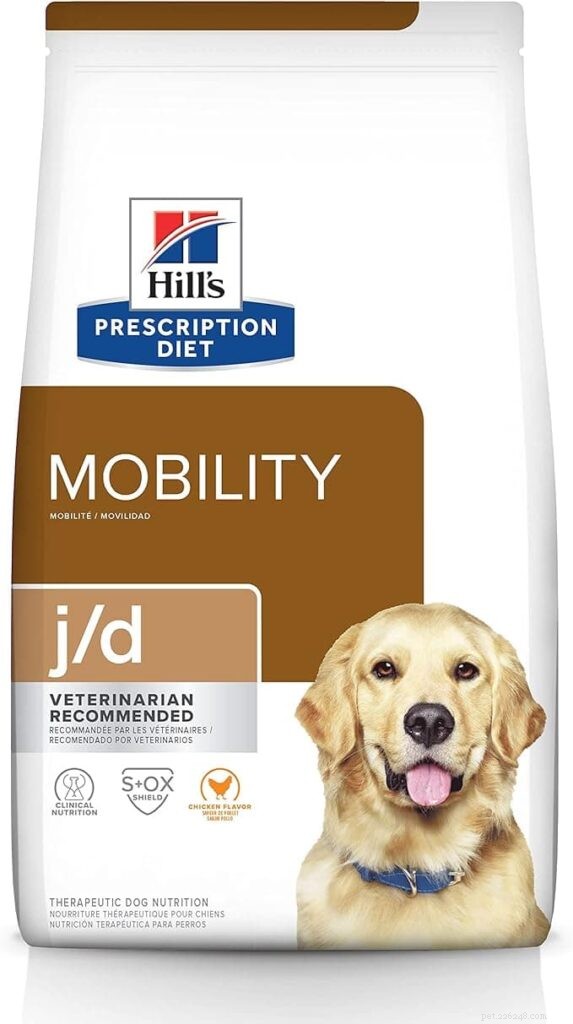
Clinical research demonstrates that Hill’s Prescription Diet j/d Joint Care delivers the highest omega‑3 content (2 %) among therapeutic arthritis diets. The formula also contains glucosamine, chondroitin sulfate, and antioxidants (vitamins C and E) to protect cartilage and reduce free‑radical damage. Added L‑carnitine supports muscle health.
Key Benefits
- Omega‑3 levels validated in a double‑blind study
- Includes glucosamine, chondroitin, and antioxidant vitamins
- Contains L‑carnitine for muscle support
- Developed by a team of nutritionists and veterinarians
Best Dry Dog Food for Arthritis
Our pick: Purina Pro Plan Veterinary Diets JM Joint Mobility Dry Dog Food
A double‑blind, placebo‑controlled study of dogs post‑ligament surgery found that those fed JM Joint Mobility experienced fewer arthritis symptoms than dogs on a commercial diet. The formula contains 0.85 % omega‑3s, glucosamine, chondroitin, vitamins C and E, and L‑carnitine.
Key Benefits
- Backed by rigorous clinical testing
- Omega‑3, antioxidants, glucosamine, and chondroitin
- Includes L‑carnitine
- Created with veterinary guidance
Best Canned Dog Food for Arthritis
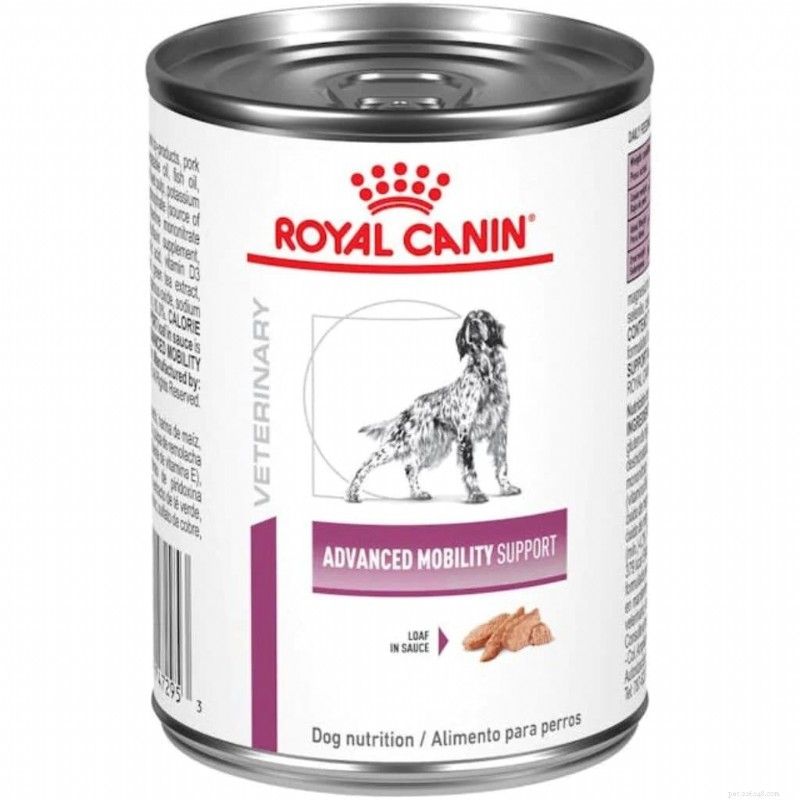
Our pick: Royal Canin Veterinary Diet Adult Advanced Mobility Support Loaf in Sauce Wet Food
Double‑blind, placebo‑controlled trials show that this diet’s blend of collagen, turmeric (curcumin), and green‑tea extract reduced pain after three months. It also delivers 0.5 % omega‑3s and vitamins C and E, while promoting a healthy body weight—crucial given the obesity‑arthritis link.
Key Benefits
- Evidence‑based ingredient profile
- Omega‑3s, antioxidants, and anti‑inflammatory extracts
- Weight‑management formulation
- Developed by board‑certified veterinary nutritionists
Best Large Breed Dog Food for Arthritis
Our pick: Hill’s Science Diet Healthy Mobility Large Breed
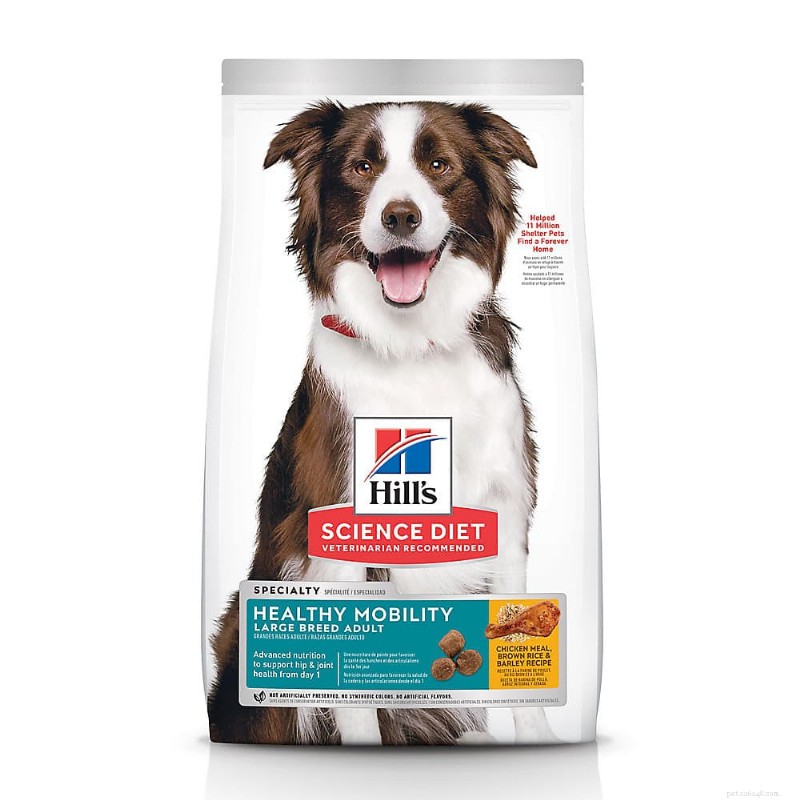
Large‑breed dogs are especially susceptible to osteoarthritis. This diet balances minerals like calcium and vitamin D for bone strength, provides 1 % omega‑3s, glucosamine, chondroitin, and vitamins C and E, and is available without a prescription.
Key Benefits
- 1 % omega‑3s with supporting antioxidants
- Mineral balance for larger joints
- Veterinary‑approved formulation
- No prescription needed
Best Senior Dog Food for Arthritis
Our pick: Blue Buffalo Natural Veterinary Diet W+M Weight Management + Mobility Support
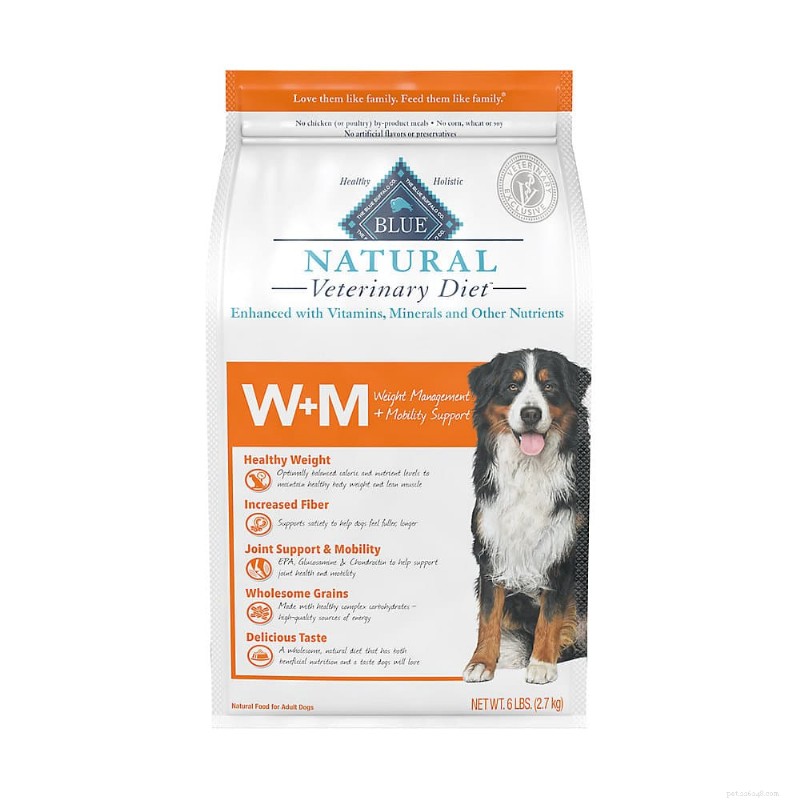
This senior‑focused diet reduces calories, increases fiber for satiety, and adds joint supplements. Salmon—rich in omega‑3s (2 %)—is the first ingredient, along with glucosamine, chondroitin, vitamins C and E, and L‑carnitine.
Key Benefits
- Salmon first ingredient
- 2 % omega‑3s with glucosamine, chondroitin, and vitamin E
- Fiber promotes fullness
- Available in dry and canned forms
- Formulated by veterinarians and nutritionists
Ingredients to Look for in Joint Care Dog Food

While individual ingredients are important, the overall diet’s balance determines effectiveness. “It’s about how the diet works for the dog’s body,” says Fadl. Certain components—omega‑3s, antioxidants, glucosamine—are consistently linked to joint health.
Omega‑3 Fatty Acids (DHA and EPA)
Anti‑inflammatory diets should contain ample omega‑3s. Evidence supports fish‑oil EPA and DHA as key to reducing joint inflammation. A 1 % inclusion (≈100 mg /kg body weight) is considered therapeutic for a typical 20 kg dog eating 200 g of food.
Glucosamine and Chondroitin
These compounds support cartilage repair. While research results vary, they are commonly incorporated into joint diets. However, the amounts in commercial foods are typically lower than concentrated supplements.
Antioxidants
Antioxidants—vitamin E, vitamin C, turmeric, green‑tea extract, cranberries, sweet potatoes, pumpkin—help neutralize free radicals that fuel inflammation, especially in senior dogs.
L‑Carnitine
L‑carnitine’s antioxidant and anti‑inflammatory properties may improve muscle performance and overall vitality.
Probiotics
Healthy gut flora can reduce systemic inflammation. Some joint diets include probiotic strains that may benefit dogs with arthritis.
Other Ingredients for Joint Health
Green tea, curcumin, avocado, collagen II, and Boswellia show promise in slowing arthritis progression, though long‑term evidence is limited.
What About CBD Oil?
CBD may reduce pain and improve mobility, but it is rarely included in pet foods. Supplements or treats containing CBD are available, but consult your veterinarian before use.
Dog Food for Arthritis: Ingredients to Avoid
Veterinarians emphasize overall weight and nutritional quality over single “bad” ingredients. Individual sensitivities mean a component that is fine for one dog may cause issues in another. Trial and error, guided by a vet, is often necessary.
Dog Food for Arthritis Buying Guide

Below are vet‑approved tips to help you select the right diet for your dog’s arthritis.
Buy for Your Dog’s Individual Needs
Every dog is unique. “What works for a neighbor’s pet may not work for yours,” says Puentes. Discuss specific needs with your veterinarian.
Consider Therapeutic Diets
Therapeutic formulas may cost more but offer stringent ingredient control and quality assurance. They are a solid starting point for dogs with joint issues.
Look for Correct Amounts of Ingredients
Reputable brands disclose the precise amounts of EPA/DHA, glucosamine, and chondroitin. “That transparency lets you compare products effectively,” says Parker. If the label omits data, contact the manufacturer.
Buy Dog Food from a Reputable Company
Prefer U.S. manufacturers that comply with AAFCO standards and employ board‑certified veterinarians or nutritionists. Focus on companies that invest in research rather than solely on price.
References
- Johnson, K., Lee, A., etal. (2020, June). “Nutrition and nutraceuticals in the changing management of osteoarthritis for dogs and cats.” Journal of the American Veterinary Medical Association. Retrieved from https://avmajournals.avma.org/view/journals/javma/256/12/javma.256.12.1335.xml
- Anthony, E. (n.d.) “The Role of Nutrition in Managing Canine Osteoarthritis.” Veterinary Technician. In VetFolio. Retrieved from https://www.vetfolio.com/learn/article/the-role-of-nutrition-in-managing-canine-osteoarthritis
- Clinical Evidence Report – Canine j/d Clinical Studies. Veterinary Consultation Service. Retrieved from https://protrain.hs.llnwd.net/e1/sitefiles/642/Documents/Clinical%20Evidence%20report.pdf
- Dr Wendy Baltzer – “The Effects of an Omega-3 Fatty Acid-Rich Diet with Rehabilitation on Recovery, Activity, and Osteoarthritis in Dogs Following Tibial Plateau Leveling Osteotomy Surgery for Cranial Cruciate Ligament Disease.” (n.d). American Kennel Club Canine Health Foundation. Retrieved from https://www.akcchf.org/educational-resources/2017-health-conference-videos/dr-wendy-baltzer-omega-3.html
- Comblain, F.,Barthelemy, N., etal. (2017, December). “A randomized, double-blind, prospective, placebo-controlled study of the efficacy of a diet supplemented with curcuminoids extract, hydrolyzed collagen and green tea extract in owner’s dogs with osteoarthritis.” BMC Veterinary Research. In National Library of Medicine. Retrieved from https://pubmed.ncbi.nlm.nih.gov/29262825/
- “Improving Dogs Arthritis Pain With Diet” (2018, February). Tufts Your Dog. Retrieved from https://www.tuftsyourdog.com/dogfoodandnutrition/improving-dogs-arthritis-pain-with-diet/
- Varney, Jessica L. – “Utilisation of supplemented L-carnitine for fuel efficiency, as an antioxidant, and for muscle recovery in Labrador retrievers.” Cambridge University Press. Journal of Nutritional Science. Retrieved from https://www.cambridge.org/core/journals/journal-of-nutritional-science/article/utilisation-of-supplemented-lcarnitine-for-fuel-efficiency-as-an-antioxidant-and-for-muscle-recovery-in-labrador-retrievers/8E51E0F6E396F449DA8532797183EA90
- Cintio, M., Scarsella, E., etal. (2020, July). “Gut Microbiome of Healthy and Arthritic Dogs.” Veterinary Sciences. In National Library of Medicine. Retrieved from https://www.ncbi.nlm.nih.gov/pmc/articles/PMC7558702/
- Pet Behavior
- Pet Breeds
- Pet Names
- Pet Adoption
- Pet Training
- Pet Information
- Pet Health
- Adorable Pets
- Dogs
- Scottish Terrier (Scottie): Comprehensive Guide to Characteristics, Care, and Health
- Snake Anatomy Unveiled: Inside the Slithering Marvels
- Mixed vs. Purebred Dogs: Choosing the Best Companion for Your Lifestyle
- Bridgend Adoption Centre Welcomes Sweet‑Natured Winnie into Forever Home After Recovery
- Fauna vs. Vetericyn: Which Pet Wound Care Brand Delivers Faster Healing?
- DIY Cat Food: A Simple, Healthy Guide for Your Feline
- Bengal Cat Breed: History, Personality, Health & Care Guide