

Comprehensive Guide to Puppy Proofing Your Home and Garden
Note: This article may contain affiliate links. Earnings may be earned from companies mentioned.
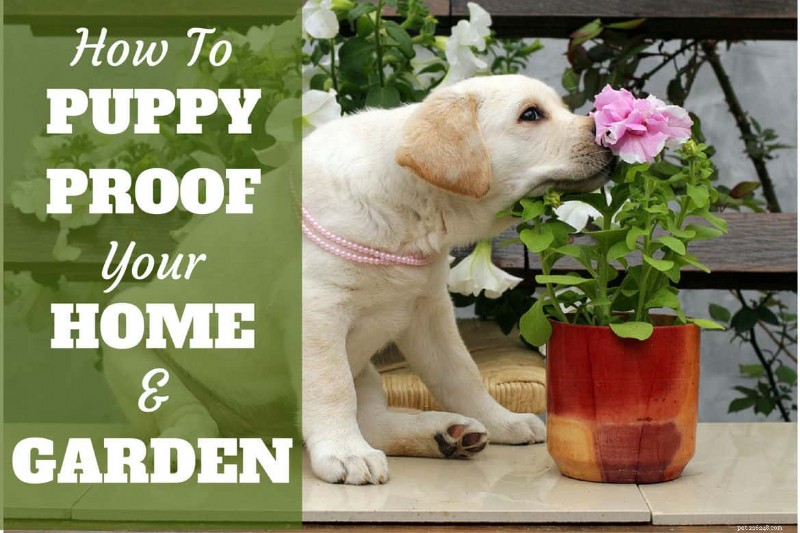 © Depositphotos.com / Yarvet
Welcoming a Labrador puppy into your life is an exciting milestone—yet it also brings a surge of responsibilities. Before you open the door, you must transform your living space into a safe, nurturing environment that protects both your puppy and your belongings.
Puppy proofing is essentially the adult version of baby‑proofing: you anticipate hazards from the puppy’s perspective, eliminate risks, and provide a positive learning environment that encourages good behaviour.
What Is Puppy Proofing?
In practice, puppy proofing involves three key objectives:
- Viewing your home and garden from a puppy’s point of view to pre‑empt danger.
- Creating an environment that promotes positive learning—minimising punishments and maximising praise.
- Safeguarding your possessions from being chewed or damaged.
Failure to address these risks can lead to costly damage and serious health issues. Investing the time now pays off in peace of mind and a happier pup.
General Principles for Indoor and Outdoor Proofing
Remember, a puppy’s natural curiosity means they will chew on anything reachable. Follow these core guidelines:
- Remove or secure any item that could be hazardous or costly if chewed. Keep small, valuable, or fragile objects out of reach.
- Supervise or confine your puppy. Use a secure room or crate when you can’t watch them directly. Ultimate guide to crate training can help you set this up.
- Apply bitter‑tasting deterrents. Treat non‑moveable items such as table legs, skirting boards, and cabinet corners to discourage chewing.
- Provide ample chew toys. Place a variety of toys in each area to redirect chewing and support teething relief.
- Use baby gates or barriers. Restrict access to a few rooms initially, expanding as the puppy gains responsibility.
- Audit your house plants. Remove any species listed as toxic to dogs on the ASPCA Animal Poison Control database.
- Store chemicals out of reach. Keep cleaners, antifreeze, pesticides, and other toxic substances in locked cabinets or high shelves.
Ultimately, anything a puppy can get to and that is dangerous or valuable belongs to you—secure it, and you protect both your pet and your property.
Think Like a Puppy

Conduct a walk‑through of your home from the puppy’s eye level. Inspect every corner, drawer, and hanging cord. Consider crawling on all fours for a more immersive assessment.
- Can they access drawers or cabinets?
- Are cords exposed?
- What surfaces are chewable?
- Which high items can be knocked down?
- Are loose objects lying around?
- From their height, what items could be grabbed or swallowed?
Removing or securing these hazards ensures your puppy’s safety while they learn boundaries.
Puppy Proofing the Interior

Below is a detailed checklist to protect your home’s interior:
- Keep all small swallowable items out of reach. Coins, paper clips, jewelry, toys, phones, tissues—everything must be stored securely.
- Remove floor items you don’t want chewed. Shoes, toys, or any stray objects should be stored.
- Secure trash bins. Use child‑proof lids or lock bins in a cupboard.
- Store food properly. Human foods such as chocolate, grapes, onions, and cooked bones are toxic; keep all food in sealed containers.
- Protect electrical cords. Bundle, tape, or cover cords and unplug unused devices.
- Lock medication and household cleaners. Puppies can open jars and containers; use child‑proof locks.
- Install child‑proof latches. All drawers, cabinets, and refrigerators should be secure.
- Choose durable flooring. Tiled, wooden, or linoleum floors are easier to clean and resist chewing.
- Check house plants. Remove toxic varieties; even leaves can fall and be ingested.
- Prevent falling hazards. Avoid items that can be pulled from high surfaces or that have loose edges.
- Secure blinds and curtains. Tie up cords to eliminate choking risks.
- Apply deterrents to furniture edges. Treat corners, skirting boards, and lower walls.
- Keep laundry out of reach. Socks and other garments can cause intestinal blockages.
- Manage furniture mechanisms. Check folding sofas, rolling doors, and other moving parts for safety.
Puppy Proofing the Yard and Garden
Outdoor spaces must also be secured to prevent injury, escape, or ingestion of harmful materials.
- Use a dedicated dog run if the entire yard cannot be made safe. A fenced area limits access to hazards.
- Maintain a minimum fence height of 6 feet for Labradors. This height deters jumping over.
- Inspect the fence line. Close any gaps or holes; reinforce with extra panels or chicken wire as needed.
- Install self‑closing hinges or locks on gates. Prevent accidental escapes.
- Remove or secure fencing hazards. Replace metal spikes or pointed wood; check for protruding nails.
- Store pest control chemicals safely. Keep out of reach and restrict puppy access during application.
- Use pet‑safe fertilizers or switch to organic options. Avoid toxic chemicals.
- Audit garden plants. Remove all toxic species.
- Block crawl spaces. Prevent escape routes to the front yard.
- Keep fire pits, BBQs, and heaters away. Fire and heat hazards are obvious dangers.
- Secure garden tools. Sharp objects pose a serious risk.
- Fence off ponds or pools. Young puppies should not have unsupervised access to water.
- Guard raised decks or balconies. Use chicken wire to close gaps that could let a puppy slip through.
- Protect electrical wires and hoses. Bury or block access.
- Store trash and compost in puppy‑proof containers. Avoid ingestion of toxic materials.
Room‑by‑Room Checklist
Below are key hazards for each typical space:
Main Living Areas
- Remove clutter: magazines, wallets, cushions, phones, remote controls, string, small items.
- Secure wires and cords.
- Guard radiators, heaters, and fireplaces.
- Cover air‑conditioning vents.
- Eliminate toxic house plants.
- Keep small pets (fish, hamsters) out of reach.
Kitchen
- Install child‑proof latches on drawers, cabinets, and the fridge‑freezer.
- Keep power cords out of reach.
- Seal the trash.
- Store all foods and packaging promptly.
- Avoid hot oils, boiling water, and hot foods; keep the puppy in a separate room while cooking.
Bedroom
- Store cosmetics, creams, perfumes, jewelry, coins, and hair accessories out of reach.
- Keep laundry, clothing, shoes, and slippers secured.
- Move wiring away from reach.
- Block access to under‑bed and behind‑furniture spaces.
Bathroom
- Use child‑proof latches on all cabinets.
- Store soaps, shampoos, tissues, and other liquids in cabinets.
- Tie up or shorten blind cords.
- Always keep the toilet lid down to prevent ingestion or drowning.
- Lock the bathroom door when the sink or bath is full.
- Ensure the trash bin is out of reach.
Garage
- Lock the garage at all times.
- Keep chemicals—motor oil, antifreeze, pesticides, paint thinners—secured.
- Store sharp tools and hardware out of reach.
- Remove toxic seeds and bulbs.
- Never allow the puppy inside.
Conclusion
Puppy proofing is a proactive step that protects your Labrador’s health and preserves your property. While the initial effort may seem daunting, a thorough, well‑executed plan is easy to maintain and pays dividends as your puppy matures. Treat your puppy like a baby: remove or secure every item they can access, and reward positive behaviour with praise and play.
Every home is unique—review these guidelines, adapt them to your space, and create a safe environment where your puppy can thrive.
Top Picks For Our Dogs
- BEST PUPPY TOY
We recommend the Calmeroos Puppy Toy with Heartbeat and Heat Packs—ideal for new puppies to ease anxiety. - BEST DOG CHEW
Bully Sticks from Bones & Chews—highly popular for diverting unwanted chewing habits. - BEST DOG TREATS
Crazy Dog Train Me Treats—our go‑to training treat for service‑dog puppies. - BEST FRESH DOG FOOD
The Farmer’s Dog—fresh, high‑quality food. Get 50% off your first order.
For a complete list of supplies we use for new service‑dog puppies, check out the New Puppy Checklist on our blog.
- Pet Behavior
- Pet Breeds
- Pet Names
- Pet Adoption
- Pet Training
- Pet Information
- Pet Health
- Adorable Pets
- Dogs
- Choosing the Right Bedding for Horse Stalls: Straw, Shavings, and More
- Science-Backed Holistic Veterinary Care: Integrating Conventional and Complementary Treatments
- Chihuahuas and Allergies: A Practical Guide for Allergy Sufferers
- The Essential Role of Toys in Pet Bird Health and Well‑Being
- Explore 11 Native Lizard Species of Missouri – Safe, Non-Poisonous, and Potential Pets
- Green Bottle Blue Tarantula – A Stunning, Beginner-Friendly Pet
- Christmas Treats for Rabbits: 3 Easy Homemade Recipes