

Eliminate Dog Odor from Your Home: A Proven Guide
This post may contain affiliate links. We may earn money or products from the companies mentioned in this post.
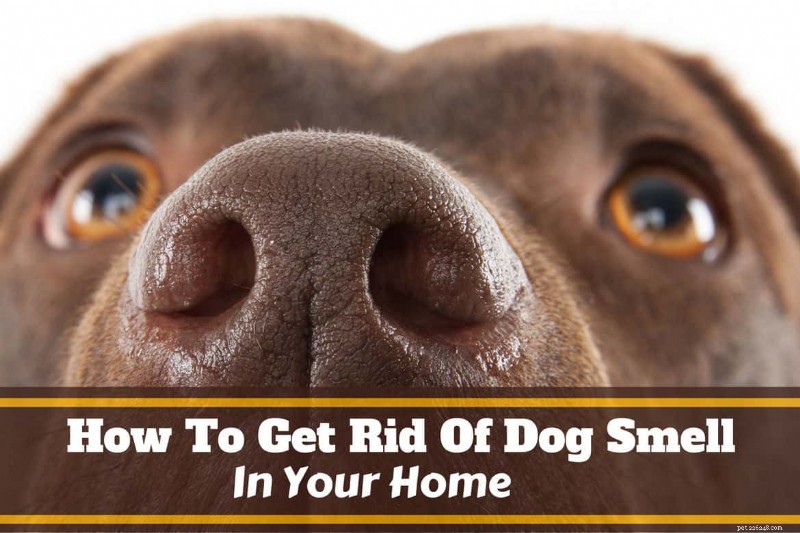
Photo credit: © Depositphotos.com / ijdema
While we cherish our four‑legged companions, it’s hard to deny that dogs can sometimes leave a lingering odor behind. Over time, that scent can seep into carpets, upholstery, and even the air, making the home feel less fresh.
It’s possible to keep your living space pleasantly scented without compromising your dog’s well‑being. The key is a consistent routine that targets the source of the odor and the surfaces it touches.
Below is a step‑by‑step guide—backed by veterinary and cleaning‑industry best practices—to help you maintain a pet‑friendly, odor‑free home.
Why Do Dogs Smell?
All dogs emit a natural scent that is usually subtle and even pleasant. The primary contributors to a dog’s odor are:
- Skin and coat oils: These maintain healthy skin and fur, but breeds such as Labrador Retrievers tend to produce more oil, which can amplify the scent.
- Perspiration from paws and follicles: Dogs sweat through their paws and certain skin folds, releasing a chemical note that can accumulate.
- Specialized glands: The ear and anal glands secrete compounds that, if overactive, produce a yeasty or soapy smell.
When the odor becomes noticeable, factors such as exposure to dirty outdoor environments, recent grooming lapses, or underlying medical conditions (e.g., skin allergies, dental disease) can exacerbate the problem. If you suspect a medical issue, a vet visit is recommended.
Groom Your Dog Regularly
Regular grooming is the most effective way to cut the odor at its source.
- Bathing: The ASPCA recommends a bath every three months for most dogs. A deep clean after a muddy outing is fine, but avoid daily bathing, which can strip natural oils and irritate the skin.
- Brushing: Daily or weekly brushing removes loose hair, dirt, and dander, preventing these particles from settling into your home.
- Ear and anal care: Clean ears with a vet‑approved solution and trim anal gland openings if needed.
Use a Pet‑Specific Vacuum Cleaner
Pet hair and dander cling to upholstery, carpets, and fabrics. A vacuum designed for pet hair—brands like Hoover, Dyson, Bissell, and Shark—offers strong suction and dedicated attachments.
Tips:
- Remove cushions and vacuum underneath.
- Pull out heavy furniture when possible.
- Run a deep‑clean cycle once a month; more often if you notice excess hair.
Choose Effective Cleaning Products
Commercial and natural options can neutralize or mask pet odors. Use products that are pet‑safe and non‑toxic.
Commercial Odor‑Neutralizers
- Enzymatic cleaners: Break down protein‑based stains (e.g., urine) and neutralize the smell.
- Odor‑absorbing sprays: Products like Febreze Pet are engineered to trap odors rather than merely cover them.
- Air fresheners: Plug‑ins or scented candles can add a pleasant aroma, but ensure they are safe around pets.
Natural Alternatives
- White vinegar: Dilute with water and spray on wood, carpet, or fabric. It neutralizes odor and evaporates quickly.
- Baking soda: Sprinkle on carpets, let sit 15–30 minutes, then vacuum. Add a few drops of dog‑safe essential oil for fragrance.
- Essential oils: Use only those rated as non‑toxic to dogs (e.g., lavender, chamomile) in minimal amounts.
Watch a Video Guide
For visual learners, this Petcha video demonstrates a homemade odor eliminator and offers additional practical tips.
Create a Dog‑Free Zone
If the odor remains stubborn, designate a low‑traffic room as a “dog‑free” area. Keep your dog out of living rooms or bedrooms, but allow access to a separate space such as a dining room or den. This creates a refuge for guests and a fresh‑smelling area for yourself.
Conclusion
Absolute elimination of all canine scent is unrealistic, but with regular grooming, targeted cleaning, and mindful product choices, you can keep your home pleasantly scented. A modest routine—bath every 90 days, weekly brushing, monthly deep vacuuming, and periodic use of a neutralizing cleaner—will do wonders.
Top Picks for Our Dogs
- BEST PUPPY TOY
We Like: Calmeroos Puppy Toy with Heartbeat and Heat Packs – Perfect for easing anxiety in new puppies. - BEST DOG CHEW
We Like: Bones & Chews Bully Sticks – A tasty diversion that satisfies natural chewing urges. - BEST DOG TREATS
We Like: Crazy Dog Train Me Treats – Ideal for training our service‑dog puppies. - BEST FRESH DOG FOOD
We Like: The Farmer’s Dog – Our puppy Raven loves it! Get 50 % off your first order.
For a complete list of supplies we recommend for new service‑dog puppies, visit our New Puppy Checklist on the PuppyInTraining.com blog.
- Pet Behavior
- Pet Breeds
- Pet Names
- Pet Adoption
- Pet Training
- Pet Information
- Pet Health
- Adorable Pets
- Dogs
- Professional Guide: Safely Trimming Your Bird's Nails for Health and Comfort
- Carpathian Shepherd Dog: Romanian Mountain Guardian
- 5 Positive Cat Behaviors That May Seem Naughty but Enhance Their Well‑Being
- Prevent Couch Scratching: 5 Proven Steps to Protect Your Furniture
- British Shorthair Cat – Calm, Friendly, Ideal for Any Home
- African Fire Skink: Care Guide & Key Facts for New Owners
- Asha’s Miracle: Cats Protection Saves a Pregnant Stray Cat and Her Kittens