

How to Keep Your Pet Calm During the Summer Season
People might think summer is the best time of year for their pets; and it can be a blast. But the warm months can also be stressful. While joining the family for a road trip may be fun for lots of pets, others shake, rattle and roll with fear on long car rides. Backyard barbecues may mean a party for many animals, but others hate all those strangers taking over the home and yard. And then there are the loud noises from fireworks and thunderstorms.
For panic-stricken pets, the following advice may not go far enough. Those terrified animals require more definitive help, perhaps from an appropriate pharmaceutical or a visit to a veterinary behaviorist. But what about mid- or lower-level anxiety? It is possible to nip nervousness in the bud before it worsens.
Summer Clamor
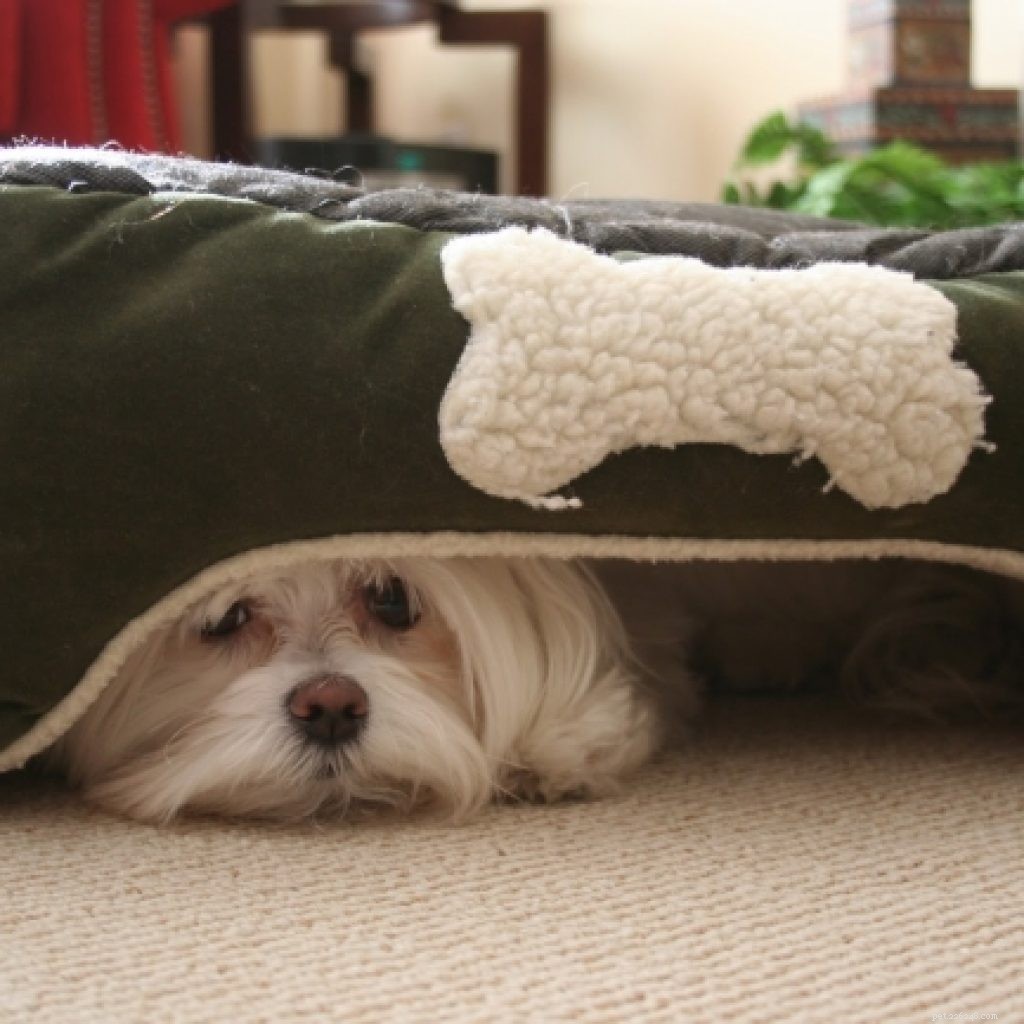
Most dogs dislike loud, sudden or prolonged noise. Weather its a vacuum cleaner, trash truck, or power tools they my run, hide or try to escape. Pet noise anxiety can occur throughout the year, but summer presents specific challenges to animals with aversions to seasonal excitement. Thunderstorms, firework displays, parades and parties galore are the sounds of summer – all of which can contribute to pet noise anxiety. Many pets, including cats, dogs, and birds, have had previously negative experiences with loud noises that inform any future encounters. In other words, they were intensely frightened before and will react in kind should they ever face the same stimuli again. Left alone, established, repeated pet noise anxiety will likely intensify with time.
Absolute Mayhem
Even in the absence of a traumatic memory, pet noise anxiety can affect any animal at any time. Fear of the noise can drive a perfectly well-adjusted pet toward seemingly irrational hiding, pacing, crying, destructiveness, self-harm, and attempts to escape.
Powerful Associations
Perhaps even more significant is that animals will not just associate their fear and stress with the specific sound, but various other details as well. For instance, thunderstorms will have accompanying wind, drops in pressure, and lightning. Fireworks may also be connected to the people seen lighting them off, the telltale smell, or the location that the animal experienced the loud sound.
The Physical and Mental Effects
Fear, stress and anxiety trigger physical responses that cause harm to mental health. This is especially true if a pet is repeatedly exposed to the triggers. If you know that your pet has a history of noise anxiety you can help prevent the overwhelming side effects by following these guidelines:
- To reduce exposure to known triggers, do not bring your pet to an event with loud noises or large crowds.
- When you know a thunderstorm is approaching or fireworks are scheduled, bring them inside the home, set up a safe space, offer lots of comfort and reassurance, and help them make positive associations. Stay close.
- Be sure they cannot escape.
- Muffle sounds with soft music, television, or white noise.
Because of the risk of fleeing the scene, be sure that your pet is microchipped, wearing identifiable tags, and up to date on vaccination and parasite prevention. Acupressure garments, like the thunder shirts or calming wraps can keep your pet soothed, pheromone sprays, and calming supplements can help pet anxiety from taking over.
Travel & Calming Aid

Travel and Calming Strips are chicken flavored quick dissolving supplements with natural ingredients that help dogs with nervous, anxious, or aggressive behaviors feel calm and comfortable. These calming treats contain 20mg of Tryptophan per strip and L-Theanine that helps stimulate brain waves to promote relaxation with no drowsy effect. Each strip contains Melatonin and Chamomile, helping with hyperactive & aggressive behavior, which act as a relaxer that can help reduce jumping, biting, and barking from dogs that display aggressive or hyperactive tendencies. This Calming Strip supplement may encourage natural anti-anxiety relief for a thunderstorm, fireworks, car rides, or separation anxiety. These treats contain an advanced complex of proven ingredients such as Ashwagandha Root and L-Tryptophan to help minimize outbursts, while Tryptophan reduces scratching, restlessness, paw licking, and striping.
In Closing
One thing that most experts agree on when it comes to noise anxiety is that petting, coddling, or otherwise consoling the dog when they’re exhibiting symptoms may worsen the problem. Your dog will most likely interpret your behavior as, “You see, I do have something to be worried about!” It’s important for the people around the dog to behave normally during events that trigger the dog’s anxiety. In fact, a possible cause for noise anxiety in the first place is a dog’s humans displaying nervousness or fear of some kind of noise. Also remember most dogs are very sensitive to their humans’ moods. If a pet parent has a fear of thunder, a dog may pick up on it and also develop fearful behavior.
- Pet Behavior
- Pet Breeds
- Pet Names
- Pet Adoption
- Pet Training
- Pet Information
- Pet Health
- Adorable Pets
- Dogs
- Keep Your Pets Happy and Healthy This Thanksgiving: A Care Guide
- How to Keep Your Pets Safe and Cool During Hot Summer Days
- Top DIY Pet Cooling & Heating Hacks for Safe Summer and Winter Care
- Preventing Separation Anxiety in Pets: Safeguard Their Well‑Being and Your Home
- Managing Pet Anxiety: Proven Strategies to Support Your Furry Friend
- Ensure Your Pet's Safety and Calm During a Move: Expert Tips
- 5 Proven Ways to Keep Your Pet Happy and Healthy