

Master Fetch with Your Dog: 5 Expert Steps for a Healthy, Engaging Game
Ready to turn playtime into a healthful routine? Teaching your dog fetch is more than fun—it’s a proven exercise that supports weight management, mental stimulation, and stronger owner‑pet bonds.
Recent research shows many dogs gained weight during the COVID‑19 pandemic, and the American Veterinary Medical Association (AVMA) recommends using fetch to help overweight dogs shed pounds safely (AVMA, 2021)¹,².
Follow these five expert‑backed steps to teach your dog fetch while keeping training sessions short, engaging, and safe.
Select a Suitable Toy
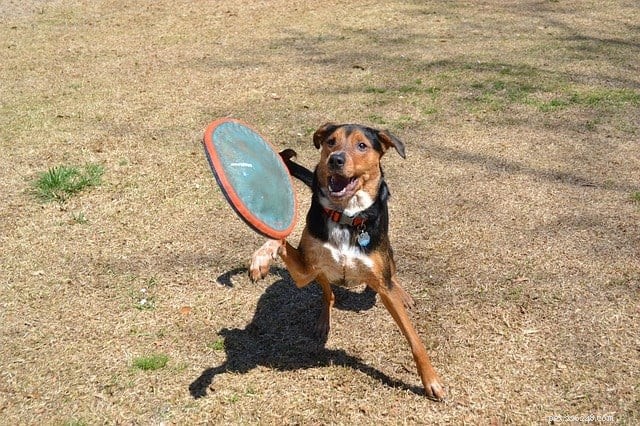
Photo courtesy: Pixabay Public Domain
Choose a toy that is both enticing and safe. Dogs respond best to balls that are large enough to avoid choking and have a texture that’s easy to grip. A standard tennis ball or a dog‑safe Frisbee works well. Avoid small, slippery, or stick‑like objects—sticks can splinter and cause injury (Veterinary Referral Center, 2020)³.
1. Teach “Come” and “Hold”
Start by holding the toy at your dog’s eye level and say “come.” Reward with praise and a treat once they approach. If needed, use a leash to guide them.
Next, encourage them to bite the toy. Lightly smear peanut butter on the ball to entice a mouthful, then reward. Repeat until they reliably take the toy into their mouth.
Introduce the “hold” cue: give the toy, wait a second, then reward. Gradually increase hold time to two or three seconds, always praising and treating.
2. Practice with the Toy in Front of Them
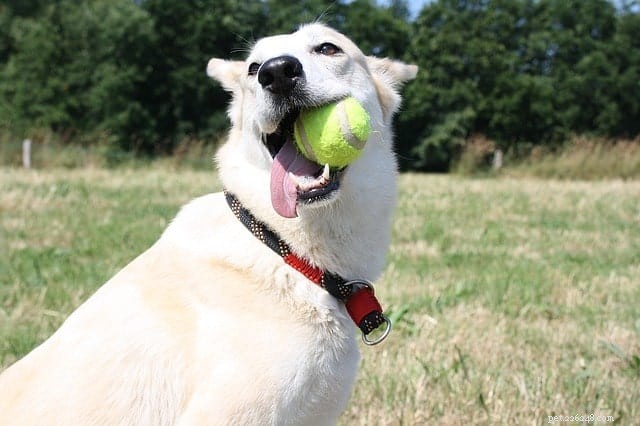
Place the toy directly in front of your dog. Ask “hold.” When they pick it up and keep it, give praise and a treat. Repeat until consistency is achieved.
3. Place the Toy Further Away
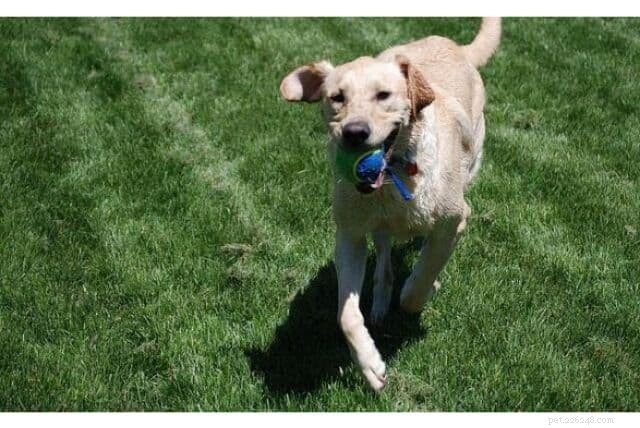
Move the toy a short distance away and command “fetch.” Reward upon retrieval. Once confident, slowly increase the distance.
4. Start Throwing the Toy to Them
Alternate between placing the toy on the ground and throwing it. Continue to say “fetch” with each throw, rewarding promptly to reinforce the behavior.
5. Tell Them to Come and “Drop”
Once they retrieve the toy, call “come.” To teach “drop,” offer a high‑value treat. When the dog releases the toy for the treat, praise and reward. Repeat until they reliably drop on cue.
Tips to Keep in Mind
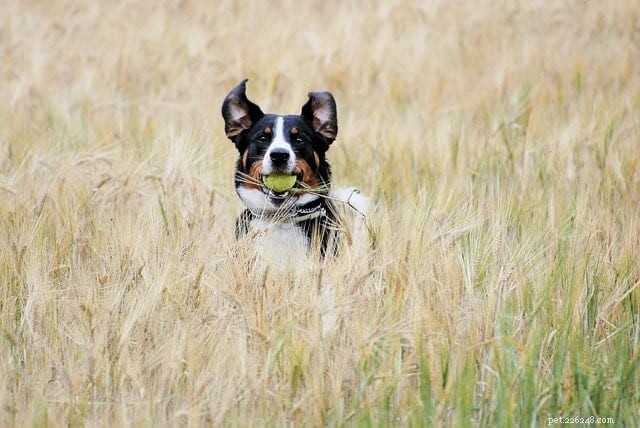
Image courtesy: Pixabay Public Domain
Keep Fetch Sessions Short and Sweet at First
Short 5‑ to 10‑minute sessions prevent frustration and fatigue. Distribute several sessions throughout the day if you and your dog are eager.
Practice Playing Fetch with a Ball Launcher
Using a ball launcher reduces the physical strain on you and lets you throw farther once your dog is proficient.
Introduce New Toys to Keep Things Fun
Switch toys periodically—always ensuring they remain safe—to maintain your dog’s interest.
Don’t Stress If Your Dog Really Isn’t Engaged
Some breeds naturally enjoy retrieving; others may not. If your dog shows little interest after consistent effort, it’s okay to switch to a different activity that suits their temperament (Downing, 2021)⁴.
- AVMA. Some pets putting on pounds during pandemic, some getting more exercise. Avma.org. Published February 3, 2021. Updated February 15, 2021. Accessed February 23, 2021.
- AVMA. Taking on obesity as a disease: Statement, sessions, and toolkit address the excess weight so common now in cats, dogs, and horses. Avma.org. Published September 12, 2018. Updated October 1, 2018. Accessed February 23, 2021.
- Veterinary Referral Center. Why is my pet always sick? Vrcmalvern.com. Published August 30, 2020. Updated October 1, 2018. Accessed February 23, 2021.
- Downing R. Healthy Exercise for Dogs. Vcahospitals.com. Accessed February 23, 2021.
- Pet Behavior
- Pet Breeds
- Pet Names
- Pet Adoption
- Pet Training
- Pet Information
- Pet Health
- Adorable Pets
- Dogs
- Whole Dog Journal’s Expert Recommendation: The Best Car Safety Harness for Your Dog
- Dog Anal Gland Health: Signs, Causes, and Care
- How to Stop Your Puppy From Tugging on Your Clothing: Proven Strategies for Calm Walks
- Do Your Habits Actually Comfort Your Cat? A Guide to Cat Body Language
- Why Rabbits Carry Hay: Unveiling Their Nesting and Comfort Instincts
- Adorable Puggle Puppies: Cute Photos & Fascinating Facts
- Gen7 Traveler Portable Pet Bed Review – Comfort & Convenience for On‑The‑Go Cats