

Expert Guide to Potty‑Training a Stubborn Puppy
Every puppy brings a unique personality to your home—bold, shy, loving, or protective. Some pups, however, stubbornly resist potty training, turning what should be a routine into a source of frustration.
Even the most obstinate puppies respond to the same core principles that succeed with most dogs. The difference is often persistence, more frequent reminders, and a willingness to adjust your approach over time.
1) Cultivate Patience
Potty training is a marathon, not a sprint. While some puppies learn within days, others may take six months or longer. If your pup is on the slower side, maintain steady consistency and remember that progress is incremental.
2) Enforce Consistency
Set a dedicated potty spot—quiet, away from distractions—and keep it unchanged. Take your puppy to the same place, at the same times, and use the same verbal cue each visit. Consistency signals to your dog what’s expected.
3) Follow a Strict Schedule
Puppies can hold urine for roughly the same number of hours as their age in months. An 8‑week‑old should be let outside every two hours. Don’t let them wait for the night or after meals; schedule breaks after waking, feeding, and play sessions.
4) Reward, Don’t Punish
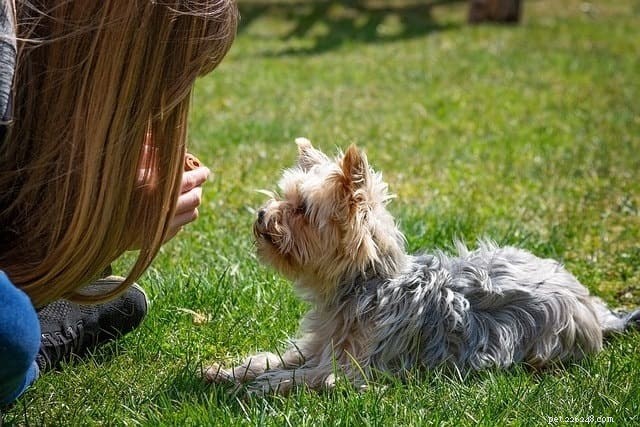
Use praise, treats, or a quick play session when your puppy succeeds. Avoid scolding for accidents—negative reactions can breed fear and delay learning.
5) Eliminate Odor Traces
Dogs return to spots that smell familiar. A simple wipe‑up won’t erase the scent; enzymatic cleaners break down odor molecules, ensuring the area stays unattractive for future accidents.
6) Leverage Crate Training
A properly sized crate encourages puppies to hold their bladder, as they naturally avoid soiling their sleeping area. Use it for brief periods and always let your dog out promptly to prevent accidents.
7) Give Them Adequate Time Outside
Don’t rush your pup to finish quickly. Allow them to sniff, explore, and relax in the yard. If your yard is unfenced, consider a wireless dog fence to provide safe, unrestricted roaming.
8) Enlist Support
When you’re away, a dog walker, sitter, or daycare can offer extra potty breaks. If challenges persist, a certified trainer or behaviorist can tailor strategies to your puppy’s temperament.
Always rule out medical issues—such as urinary tract infections—by consulting your veterinarian if you notice delays or frequent accidents.
Final Thoughts
Potty training a stubborn puppy is a marathon that rewards patience, consistency, and empathy. By applying these expert‑backed techniques, you’ll build a clean, harmonious home and a confident, well‑behaved companion.
- Positive reinforcement training. Humanesociety.org. Accessed February 9, 2021.
- Horwitz D, Landsberg G. Dog behavior problems marking behavior. Vcahospitals.com. Accessed February 9, 2021.
- Corona L. What are enzymatic cleaners and why is everyone with pets talking about them. Chicagotribune.com. Published September 16, 2019. Accessed February 9, 2021.
- Potty problems: why won’t my dog pee outside? Beverlyhillsvets.com. Published July 19, 2019. Accessed February 9, 2021.
- How to housetrain your dog or puppy. Humanesociety.org. Accessed February 9, 2021.
- Pet Behavior
- Pet Breeds
- Pet Names
- Pet Adoption
- Pet Training
- Pet Information
- Pet Health
- Adorable Pets
- Dogs
- Are You Spending Enough Time With Your Cat? Expert Tips to Deepen Your Bond
- Should You Upgrade Your Reef Tank to LED Lighting?
- Afghan Hound Health Concerns: A Comprehensive Guide
- Professional Veterinary Dental Care for Your Pets
- Master Dog Obedience: DIY Training Guide for Happy, Healthy Pets
- Understanding Cat Limping: 14 Common Causes and How to Help
- Why Do Cats Sit Like Humans? Unveiling the Curious Behavior