

Understanding Cat Limping: 14 Common Causes and How to Help
Cats are adept at masking pain, but a visible limp is a clear sign that something is wrong. If you notice your feline limping, it’s time to investigate and act promptly.
Why Is My Cat Limping?
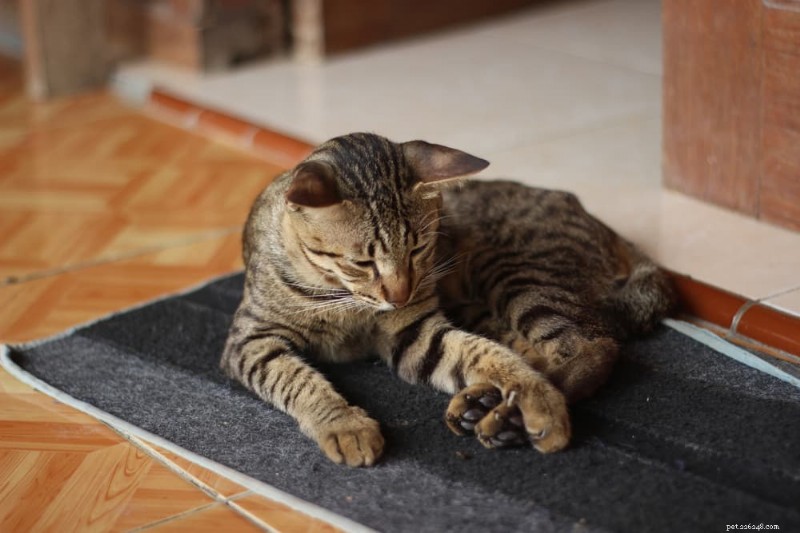
Several conditions can cause a cat to limp. The most frequent culprits include:
- Bone, muscle, tendon, or ligament injury – the most obvious reason for acute lameness.
- Infections from bite wounds – deep puncture wounds from fights often become abscesses, causing pain, swelling, and lameness.
- Arthritis – joint pain that may be subtle; look for reduced jumping, grooming, or play.
- Cancer – bone or nerve tumors can produce unilateral pain.
- Toe pain – torn nails, foreign bodies, burned pads, or phantom pain after declawing can irritate a cat’s paws.
- Uncontrolled diabetes mellitus – may manifest as a “down‑in‑the‑hocks” stance.
- Hip dysplasia – painful or dysfunctional hips in the hind legs.
- Bone infection (osteomyelitis) – causes significant bone pain.
- Fractures that heal improperly – can lead to abnormal gait.
- Tick bite paralysis – rare but can cause hind‑limb weakness.
- Spinal disc disease – may force a cat to drag its legs or be unable to rise.
- Pinched nerve – often results in neck or shoulder pain and front‑leg limping.
- Saddle thrombus / aortic thromboembolic disease – a clot blocking blood flow to hind legs, common in heart‑diseased cats.
- Vaccine reaction – swelling and discomfort at the injection site can produce temporary lameness.
What to Do If Your Cat Is Limping
While some limps resolve quickly, many require veterinary care. Use the guide below to decide when to seek help.
- One‑time limp that resolves – monitor; usually no vet visit needed.
- Sudden, persistent limp or worsening pain – visit the vet promptly.
- Visible injury, swelling, or bite wound – same‑day veterinary care.
- Inability to walk or dragging a limb – immediate vet visit.
- Recurring or intermittent limp – see the vet soon.
- Concurrent illness (no appetite, hiding, vomiting, diarrhea, lethargy) – same‑day vet visit.
- Known diagnosis (e.g., arthritis) and new symptoms – call your vet for advice.
Provide your veterinarian with details about when the limp began, any activities that trigger it, and its duration.
If your vet recommends home monitoring, keep your cat comfortable:
- Place food, water, bedding, and toys on the ground.
- Use a ramp for easy access to higher surfaces.
- Limit movement in a quiet, confined space if advised.
- Contact your vet if pain persists or worsens.
Never give your cat human over‑the‑counter or prescription pain medication. Ibuprofen, acetaminophen, and similar drugs are highly toxic to cats.
Diagnosing Cat Limping
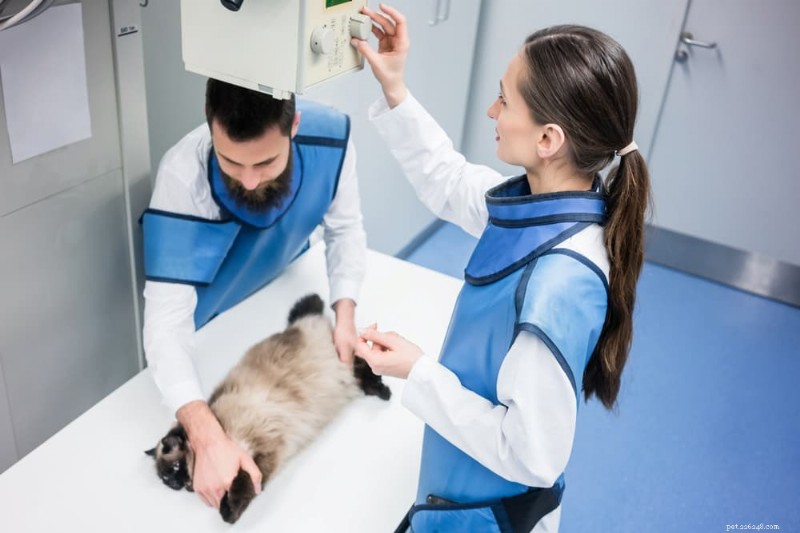
Your veterinarian will perform a thorough physical exam and gather your history. Depending on the suspected cause, additional diagnostics may include:
- Radiographs (X‑rays) to assess bone and joint structures.
- Blood work to rule out systemic issues such as diabetes.
- MRI or CT scan for complex cases where the cause is unclear.
How to Treat a Limping Cat
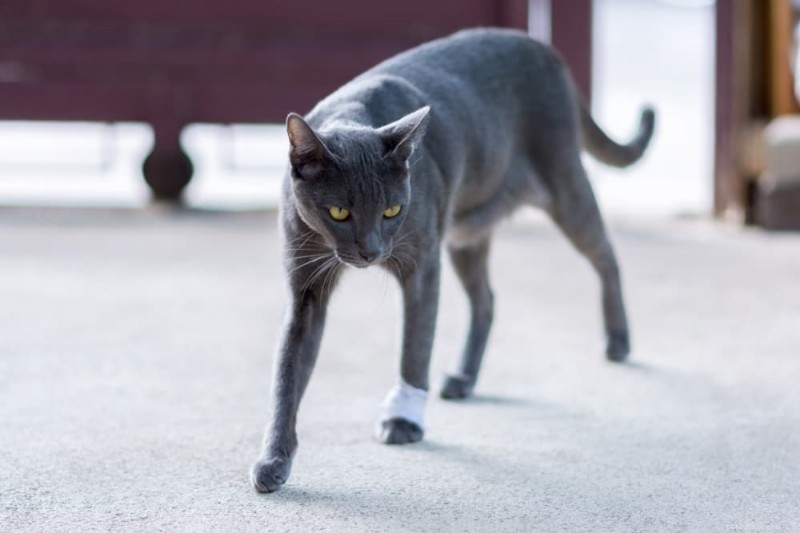
Treatment is tailored to the underlying problem. Common approaches include:
- Arthritis: weight management, analgesics, joint supplements, laser therapy, acupuncture, omega‑3 fatty acids.
- Abscesses: veterinary incision, antibiotics, pain control.
- Cancer: surgical removal and/or radiation therapy.
- Paw injuries: wound care and supportive treatment.
- Bone infections: targeted antibiotics.
- Spinal or nerve disease: surgery, anti‑inflammatories, strict cage rest.
- Saddle thrombus: pain management, blood thinners, rest, and monitoring.
Your vet will prescribe the specific medications and care plan for your cat’s condition.
Preventing Cat Limping
While not all causes are preventable, these steps can reduce risk:
- Keep cats indoors to avoid fights and injuries.
- Maintain a healthy weight to ease joint stress.
- Schedule annual veterinary check‑ups for early detection.
- Supplement with omega‑3 fatty acids from fish oil.
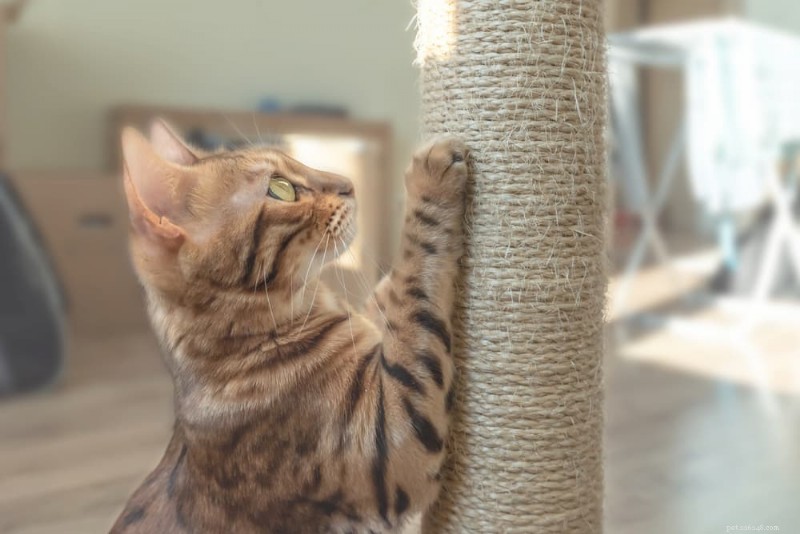
- Avoid declawing; provide adequate scratching posts.
- Encourage regular play (3–4 sessions daily) to keep muscles active.
Related Conditions
- Abscesses
- Osteoarthritis
- Cancer
- Injuries
- Diabetes mellitus
- Hypertrophic cardiomyopathy
- Saddle thrombus
- Pet Behavior
- Pet Breeds
- Pet Names
- Pet Adoption
- Pet Training
- Cat Stories
- Pet Health
- Adorable Pets
- Cats
- Weekly Instagram Highlights: Behind the Lens
- Do Dogs Benefit from Vitamins & Supplements? A Trusted Guide
- 20 Fascinating Insights About Dogs You Never Knew
- Is a Dental Cleaning Essential for Your Dog? What You Need to Know
- The Complete Guide to Detecting and Treating Ear Mites in Dogs
- Wildcat: The Remarkable Wild Cousin of Your Furry Companion
- Why a Loganville, GA Dog Walker Is Essential: The #1 Benefit for Your Pet and Your Life