

Why Exposing Your Puppy to Diverse Surfaces Boosts Training Success
This post may contain affiliate links. We may earn money or products from the companies mentioned in this post.
While my daily work as a guide‑dog trainer keeps me constantly learning, the fundamentals of puppy training never go out of sight. They simply need to be revisited in the context of each new pup.
Over the weekend I had the privilege of puppy‑sitting Tagg, a 7‑month‑old German shepherd mix currently in the first year of our guide‑dog program. Tagg exemplifies the ideal candidate: calm, well‑mannered in public, and already mastering basic obedience. Yet, like all pups, he has quirks—he loves to dig leaves and grass, and he’s proven a formidable opponent to his KONG toy.
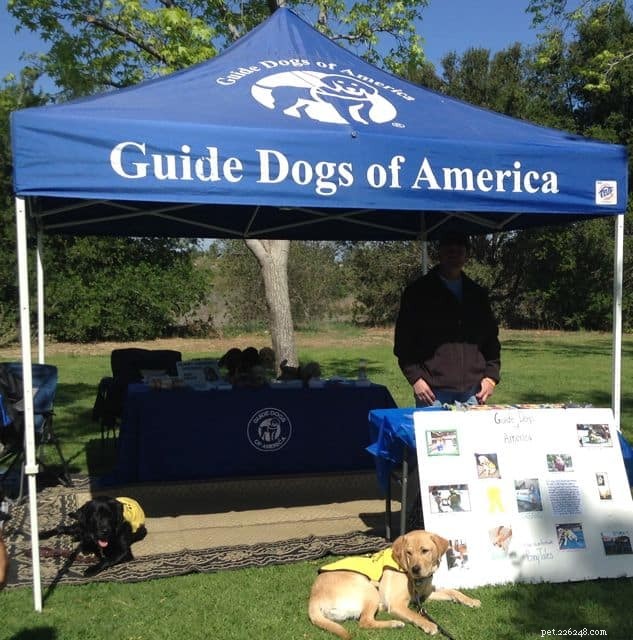
That weekend’s outing took us to Irvine Regional Park for the AHF Walk‑a‑Hound, Lose‑a‑Pound event. Tagg’s presence helped showcase our Guide Dogs of America (GDA) booth, and I used the opportunity to share insights about puppy raising and volunteering with local visitors.
After the event, we strolled through the park’s diverse landscape. Irvine Regional Park offers more than the usual green space: a zoo, playground, pony rides, a miniature train, hayrides, a duck pond, and a mix of natural and man‑made surfaces—an ideal microcosm for a puppy’s first exposure to the world’s textures.
Tagg navigated the park with a flawless loose‑leash heel. He calmly sat for children’s petting and stayed on cue, ignoring distractions such as pony bells and the rumble of the miniature train. Yet the moment he stepped onto the sand, his paws went wild—he started hopping and even licked a handful of sand. This is a classic puppy reaction: the soft, yielding surface excites their paws and triggers playful behavior.
In a recent YouTube clip featuring Dublin the Border Collie, you can hear the same instinct at the 2:22 mark—an immediate response to sand that many puppies share.
Why is this important? Exposing a puppy to a variety of surfaces builds confidence, teaches sensory discrimination, and prepares them for the unpredictable terrains they’ll encounter as guide dogs—or even as family pets. A well‑adapted pup can comfortably walk across grass, gravel, sand, snow, and more without hesitation or pain.
Recommended Surfaces for Early Exposure
Here’s a checklist of surfaces that every puppy should experience during training:
- Sidewalks and concrete
- Dirt paths
- Grass lawns
- Gravel driveways
- Rocks and pebbles
- Wood chips
- Sand (beach or sandbox)
- Soft, squishy playground mats
- Hay bales
- Blacktop
- Snow (if seasonal)
- Tactile paving (the raised yellow stripes used for safety)
- Metal grates and exposed rebar
Always check the temperature of hot surfaces—use your hand as a quick test; if it’s too warm for your hand, it’s too hot for a puppy’s paws.
While many pet owners keep their dogs indoors or on familiar sidewalks, an unexpected gravel lot or a sandy playground can be a new challenge. Introducing these textures early prevents fear or avoidance later on.
For example, Linus—who I rescued from a shelter—never encountered tactile paving. As a result, he now avoids them entirely. If he had been a guide‑dog pup, such avoidance would have been problematic.
Do you have a surface that’s been a challenge for your dog? Let me know in the comments.
Top Picks for Puppies
- Best Dog Chew
We recommend Beef Collagen Sticks. They satisfy a puppy’s natural chewing instinct while providing dental benefits. - Best Puppy Toy
Calmeroos Puppy Toy with Heartbeat and Heat Packs—ideal for new puppies, it reduces anxiety and promotes comfort during transitions. - Best Dog Treats
Crazy Dog Train‑Me Treats—high‑value reward that keeps training sessions engaging. - Best Fresh Dog Food
The Farmer’s Dog. Raven began feeding them a couple of months ago and reports a noticeable improvement in energy and coat quality. First orders receive 50% off.
Explore more of our favorites in the New Puppy Checklist.
- Pet Behavior
- Pet Breeds
- Pet Names
- Pet Adoption
- Pet Training
- Pet Information
- Pet Health
- Adorable Pets
- Dogs
- Resource Guarding in Dogs: Signs, Causes & Proven Solutions
- Meet Soki: Australia's Gentle Blue Bicolour Ragdoll Cat
- Meet Sawyer: Ragdoll Kitten of the Month – Sweet, Easygoing Companion
- 9 Fascinating Insights into Tortoiseshell Cats
- Shock Collars for Dogs: Balancing Effectiveness and Ethics
- Stop Your Puppy from Digging: Expert Strategies
- Dog Scooting Explained: Causes & Effective Solutions