

Dog Agility Training: The Key Benefits for Your Canine Companion

What Is Dog Agility Training?
Dog agility training is a structured, timed sport where handlers guide their dogs through a series of obstacles—tunnels, jumps, weave poles, and more—aiming for speed and precision. The course tests a dog’s natural instincts and promotes physical fitness, mental sharpness, and strong teamwork.
Getting Started: How to Join the Sport
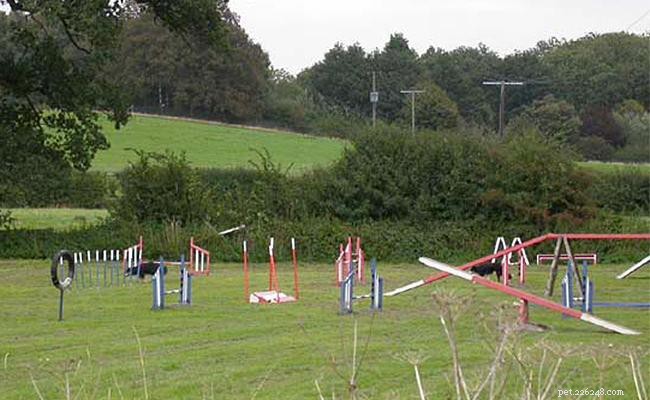
Agility competitions are organized worldwide by respected bodies such as the United States Dog Agility Association (USDAA), the North American Dog Agility Council (NADAC), and the American Kennel Club (AKC). These organizations offer classes and events for all skill levels, making it easy to find a program that fits your schedule and your dog’s abilities.
Training should always be enjoyable. A fun, positive experience strengthens the bond between you and your dog, encouraging calmness and better off‑leash behavior.
Common misconceptions:
- There’s no handler prerequisite—agility can be practiced from a wheelchair.
- All dogs can participate; the sport is designed for enjoyment and learning, not only competition.
Benefits of Agility Training for Dogs
- Boosts confidence, especially in shy dogs.
- Overcomes fears of unfamiliar surfaces, moving away from owners, and confined spaces.
- Provides vigorous cardiovascular exercise, strengthening bones and muscles across all ages.
- Encourages brain plasticity, improving problem‑solving and learning.
- Satisfies instinctive behaviors, giving dogs purposeful tasks.
- Enhances responsiveness, obedience, speed, accuracy, and coordination.
- Strengthens the human‑dog bond through shared challenges and trust.
Benefits for Owners
- Improves your own fitness—running, weaving, and crawling with your dog offers a full‑body workout.
- Provides a fun, engaging alternative to traditional walks and gym sessions.
- Builds teamwork and communication skills between you and your dog.
Best Dog Breeds for Agility
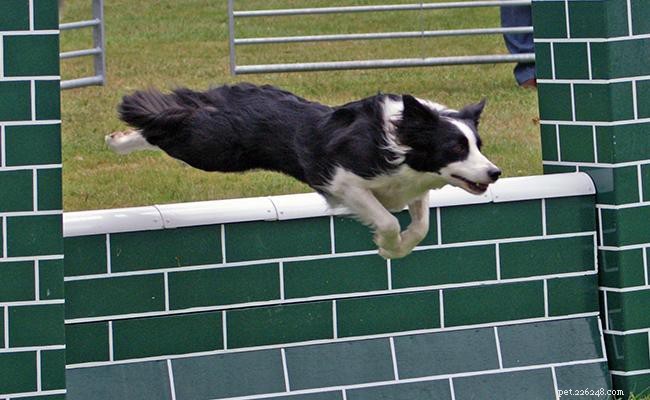
USDAA data shows participation from over 150 breeds, including mixed breeds. While breeds like Border Collies excel, any dog with energy and enthusiasm can thrive. Selecting a breed is less important than the dog’s individual temperament and physical condition.
Choosing the Right Training Program
Before enrolling, consider:
- Physical readiness—dogs should be healthy, free of infections, and fully grown (typically at least one year old).
- Start with basic obedience and surface acclimation; introduce obstacles only after strength and joint health are established.
- Avoid high jumps with puppies; adjust height for senior dogs with weaker joints.
- Keep sessions brief for puppies and seniors; consult a veterinarian if unsure.
- Find a local club via NADAC, USDAA, or AKC directories, or hire a qualified trainer.
- Assess temperament—dogs that resist handling or display aggression may need behavioral support before joining group classes.
Agility training is an inclusive, rewarding activity that nurtures both dog and owner. By focusing on safety, proper progression, and positive reinforcement, you can create a lasting partnership built on trust and shared achievement.
- Pet Behavior
- Pet Breeds
- Pet Names
- Pet Adoption
- Pet Training
- Pet Information
- Pet Health
- Adorable Pets
- Dogs
- Understanding Purple Gums in Dogs: When to Worry
- Discover 20 Stunning White Dog Breeds – Pictures & Insights
- Understanding Why Puppies Are Born Stillborn: Causes, Diagnosis, and Prevention
- Meet the Cat Breeds That Behave Like Dogs
- Lionhead Rabbits 101: Comprehensive Care Guide, Tips, and Photos
- The True Intelligence of Cats: Unveiling Their Hidden Cognitive Abilities
- Top Dog Training Tools: Boost Behavior, Agility & Intelligence