

Training a Reactive Dog: A Proven, Step‑by‑Step Guide for Owners
This post may contain affiliate links. We may earn a commission from the companies mentioned.
Reactivity in dogs is often misunderstood and stigmatized, making owners feel isolated when trying to help their pet. With a clear plan and consistent training, a reactive dog can thrive, feel secure, and become a beloved family member.
Drawing from over 15 years of rescue work and more than a decade of hands‑on training reactive dogs, I’ve distilled a reliable process that has helped countless owners manage reactivity safely and humanely.
Below is the step‑by‑step method you can follow today.
- Identify Your Dog’s Triggers
- Read Reactive Dog Behavior
- Use Positive Reinforcement to Recondition
- Adjust to the New Threshold Line
- Progress Gradually Toward Desired Freedom
Continue reading for deeper insights into reactivity and practical training techniques.
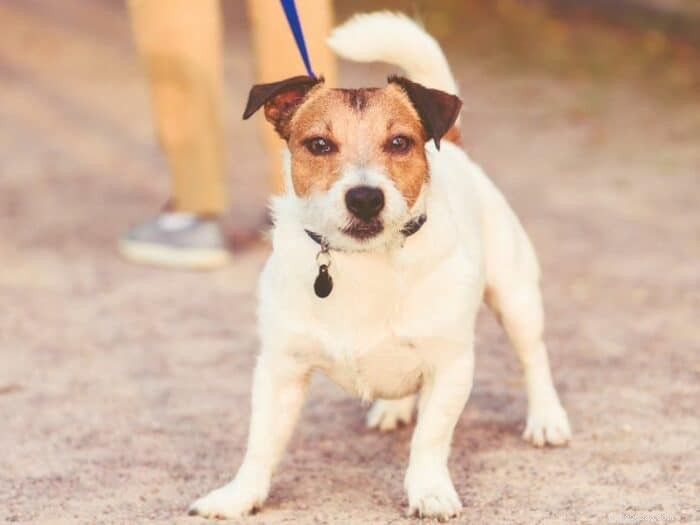
What Is Dog Reactivity?
Reactivity is not a deliberate display of excitement; it is an anxious or overwhelmed response to a trigger. Think of a child who, unable to explain discomfort, begins a tantrum. Your dog’s bark, growl, or retreat is a similar signal that the situation feels threatening.
While reactive behavior can appear aggressive, it often reflects fear or stress. The key is to help your dog learn healthier responses, which benefits both your safety and your pet’s mental well‑being.
Signs of a Reactive Dog
Watch for overt reactions—barking, lunging, growling—or signs of internal stress such as pacing, whining, or freezing. Reactive dogs may ignore basic commands when their threshold is crossed.
Reactivity vs. Aggression
Reactivity is a warning sign, not a permanent state. If left unchecked, the mounting frustration can “boil over” into aggression (snapping, biting). Treating reactivity early prevents this dangerous escalation.
Example: Our Labrador‑mix Lucifer often growls at strangers but retreats behind me. Ignoring these cues could eventually lead to bite risk.
Causes of Dog Reactivity
Reactivity can stem from genetics, insufficient socialization, lack of self‑control training, or traumatic experiences. It is not a reflection of owner failure. Avoid punitive methods; they reinforce fear. Instead, use desensitization and positive conditioning to shift the dog’s response.
Step One: Identify Your Dog’s Triggers
List common triggers: other dogs (especially unfamiliar ones), strangers, specific genders, bearded men, hats, vehicles, feeling cornered, or leash tension. Your dog may have one or several triggers.
Knowing triggers is the first step to creating targeted, effective training.
Step Two: Read Reactive Dog Behavior
Dogs operate in two states: under‑threshold (manageable) and over‑threshold (reactive). Your goal is to keep training sessions within the under‑threshold window.
Under‑threshold: the dog notices the trigger but remains calm, sometimes with mild tension.
Over‑threshold: the dog exhibits barking, growling, lunging, cowering, or shutting down.
Key signs of approaching threshold include lip licking, pacing, whining, or intense focus on the trigger.
Step Three: Use Positive Reinforcement to Recondition
When the trigger appears, offer a high‑value reward—treats, toys, or praise—*after* the dog sees the trigger. This teaches the dog that the trigger predicts something good, not just the reward itself.
Example: While walking in a quiet park, if your dog sees another dog at a distance, give a treat immediately after the sighting. Repeat until the dog feels comfortable at that distance.
Step Four: Adjust the Threshold Line
Once your dog consistently stays calm at a certain distance (e.g., 100 feet), begin moving the target closer. Increase the proximity only when the dog remains under‑threshold. Gradually close the gap while maintaining the positive association.
Our Australian‑Lab mix Linus started on a quiet street with a dog across the road, then stepped onto the curb and moved five feet closer each session.
Step Five: Progress Gradually Toward Desired Freedom
Repeat steps three and four until you reach the comfort level you want. A reactive dog may never feel safe in a busy dog park, and that’s acceptable. The goal is safe, predictable behavior in everyday situations.
When the new threshold is stable, phase out rewards by giving them less frequently—every other or every third exposure—so the dog no longer expects a treat every time a trigger appears.
When to Seek Professional Help
If your dog shows aggressive signs (snapping, biting) or you feel unsafe during training, consult a certified professional. Look for a trainer experienced with reactive dogs or a board‑certified veterinary behaviorist (search the American College of Veterinary Behaviorists or ask your veterinarian for referrals).
Seeking help is a strength, not a failure. It demonstrates your commitment to your dog’s welfare.
Final Thoughts
Our journey with reactive dog Linus taught us that consistent, patient training leads to measurable improvement. While perfection is rare, progress is tangible and meaningful.
Have you trained a reactive dog? What triggers did you identify, and which strategies worked best for you?
Save to Pinterest
Top Picks for Puppies
- Best Dog Chew
We recommend Beef Collagen Sticks—ideal for diverting chewing and keeping jaws healthy. - Best Puppy Toy
Calmeros Puppy Toy with heartbeat & heat packs—helps ease anxiety during new home transitions. - Best Dog Treats
Crazy Dog Train‑Me Treats—our high‑value reward for training sessions. - Best Fresh Dog Food
The Farmer's Dog—fresh, grain‑free meals. Get 50% off your first order.
Explore more favorites on our New Puppy Checklist.
— Britt Kascjak
Britt lives in Ontario, Canada with her husband John, their three rescue dogs (Daviana, Indiana, and Lucifer) and two rescue cats (Pippen and Jinx). She has been active in the animal rescue community for over 15 years, volunteering, fostering, and advocating across Canada and the U.S.
- Pet Behavior
- Pet Breeds
- Pet Names
- Pet Adoption
- Pet Training
- Pet Information
- Pet Health
- Adorable Pets
- Dogs
- Alaskan Klee Kai: Care, Exercise, & Traits of the Loyal Mini Husky
- Do Cats Have a Dominant Paw? Understanding Cat Handedness
- Exploring the Truth: Are Any Dog Breeds Truly Hypoallergenic?
- Walking Your Dog in Winter: Know When the Cold Is Too Much
- Can Your Cat Safely Enjoy Salami?
- Understanding Your Dog’s Runny Nose: Causes, Symptoms & Effective Treatments
- 18 Dogs Mastering Downward Dog: A Pawsome Yoga Showcase