

Optimal Diet for Captive Newts & Mexican Axolotls: Expert Feeding Guide
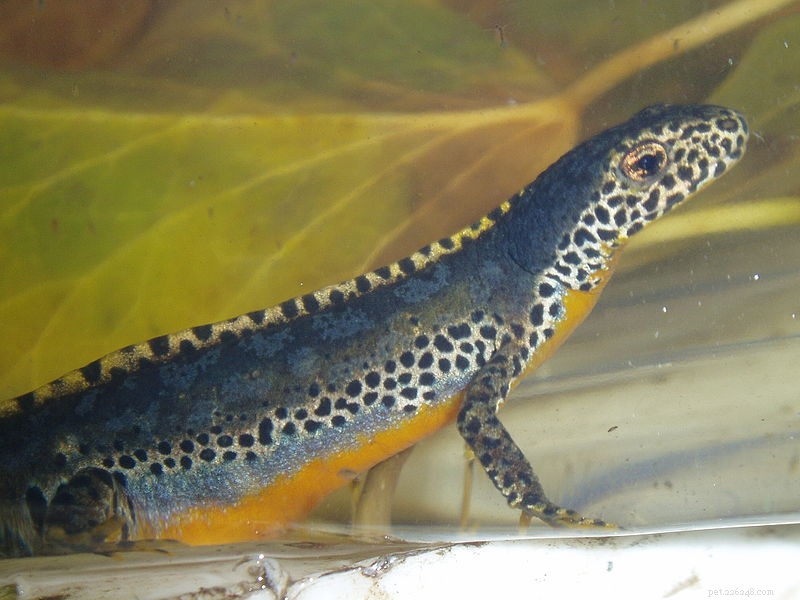
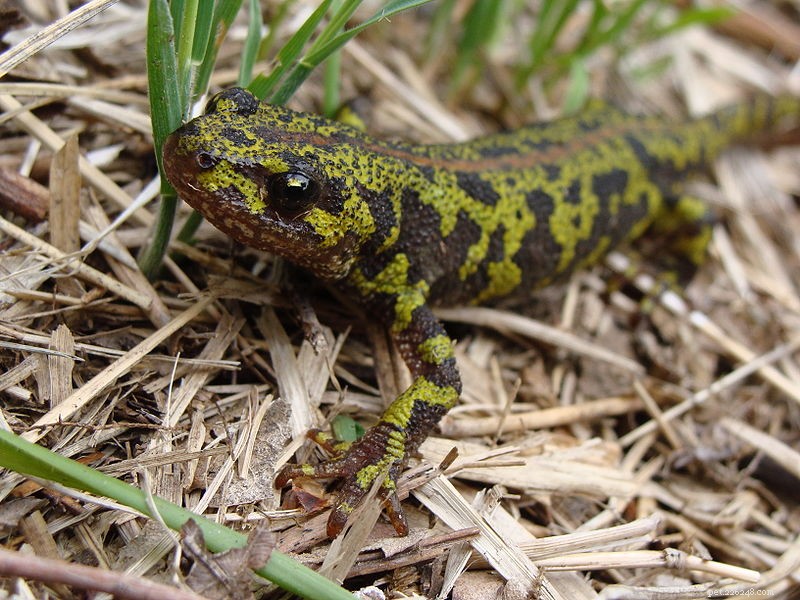 I usually hesitate to recommend an “all purpose” diet for any group of creatures, as even slight differences between species can be greatly affect their nutritional needs. However, long experience with many newts has led me to a diet that works well for nearly all those that one might encounter. The following feeding recommendations can applied to Eastern Spotted, Ribbed, Japanese Fire-Bellied, Alpine, Paddle-Tailed, Crested and Marbled Newts, as well as to Mexican Axolotls. With a bit of fine-tuning, other species can be accommodated as well…please write in if you need further information.
Basic Diet
Newt-feeding is simplified by the fact that nearly all species will take non-living foods…this is in sharp contrast to terrestrial salamanders, which generally consume live prey only.
Newt-keepers can capitalize on this by using Reptomin Food Sticks as the basis of the diet. I’ve used Reptomin since its introduction, and have found it to be the single best commercial newt food available. Reptomin Select-a-Food, which contains freeze dried shrimp and plankton, provides even more in the way of nutrients. You can use either for at least 60% of your newts’ diets.
Live Blackworms, Lumbriculus variegatus, are related to earthworms and commonly sold as food for tropical fishes. I experimentally raised the larvae of Mexican Axolotls and Spotted and Marbled Salamanders solely upon blackworms, and had excellent results. Avoid Tubifex Worms, which are harvested from polluted waters.
 Live Earthworms are a near-perfect food for most newts (and amphibians in general), and form the bulk of the diet of many of my terrestrial salamanders and frogs. Chopped worms can be given to larvae and small individuals, but whole, small earthworms offer more complete nutrition. Establishing an earthworm colony will assure a steady supply of tiny worms (please see article below).
Freeze-Dried Shrimp provide a large dose of Calcium and are relished by all newts. I prefer using freshwater shrimps, but marine krill has worked well for me in the past.
Small fishes and their fry are likely taken by many newts in the wild, and are a useful food source for captives; their Calcium: Phosphorus ratio is ideal for amphibians. Guppies will thrive and breed, albeit slowly, in room temperature waters if adjusted slowly. Healthy adults generally evade newts, but aged individuals and fry are readily captured. The same holds true for Swordtails and Platys, but these may out-compete newts at feeding time.
Treats and Extras
 The following can be offered on an occasional basis…there are many other options, so please write in with your own thoughts and experiences.
ReptoTreat Superba Food Sticks
Snails – snails are useful scavengers in newt aquariums; eggs and small individuals will be consumed by many species.
Sowbugs, small crickets, moths – sowbugs are crustaceans and high in Calcium; other invertebrates may be offered as available; avoid mealworms, large crickets.
Freeze-dried and frozen bloodworms, Mysis shrimp, Daphnia, Gammarus and other foods marketed for tropical fish.
- Optimal Nutrition Plan for Dogs with Cancer
- Mastering Newt Care: Natural History & Captive Management – Part 1
- The Ultimate Guide to Uromastyx Lizard Diets: Expert Tips from a Herpetologist
- Top Hygrometers for Reptile, Amphibian, and Invertebrate Habitats
- Master Reptile Photography: 8 Expert Tips for Stunning Images
- Optimal Nutrition for Golden Retrievers: Expert Food Choices & Diet Guidelines
- Top Healthy Treats & Snacks for Your Rabbit