

Bearded Dragon Health: Spotting Atadenovirus (Wasting Disease & Star‑Gazing)
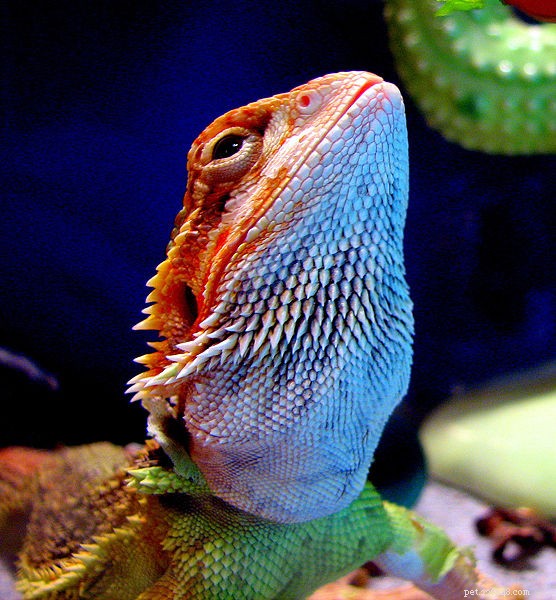 Bearded Dragons are among the hardiest of all lizards, and very well-suited to captivity. However, a serious viral disease to which they are prone is well-established among populations in theUSA and several other countries. Unfortunately, Atadenovirus infections, also known as Wasting Disease and Star Gazing, are incurable and difficult to detect by symptoms alone. Related viruses afflict Blue-Tongued Skinks, Fat-Tailed Geckos, Leopard Geckos, chameleons and other reptiles, birds and mammals, but infections are most commonly diagnosed in Bearded Dragons.
Infection and Transmission
Atadenoviruses are highly contagious, and spread via body contact and improperly cleaned tools or terrarium accessories. Female Bearded Dragons may also pass infections along to their young. There is evidence that some Bearded Dragons harbor the virus while remaining otherwise healthy, and that sensitivity varies among individuals that do become ill.
Testing
Atadenovirus is easily detected via DNA analysis of a cloacal swab. Due to the possibility that Bearded Dragons may appear fine while harboring the virus, testing should be considered for newly-acquired animals. This is, of course, especially important to those who breed Bearded Dragons or keep large collections.
Symptoms
Detection via symptoms alone is difficult, because individual animals vary greatly in their responses to Atadenovirus infection. Also, the most common symptoms – weight loss, loose stools/constipation, lethargy and swellings – are typical of a great many unrelated ailments. Lethargy is especially confusing, as some Bearded Dragons enter a state of semi-dormancy during the winter, even if kept warm. Bearded Dragon owners often write me with this concern, but, unfortunately, I must respond that there is no sure way to distinguish dormancy from Atadenovirus without a DNA test (please see article below).
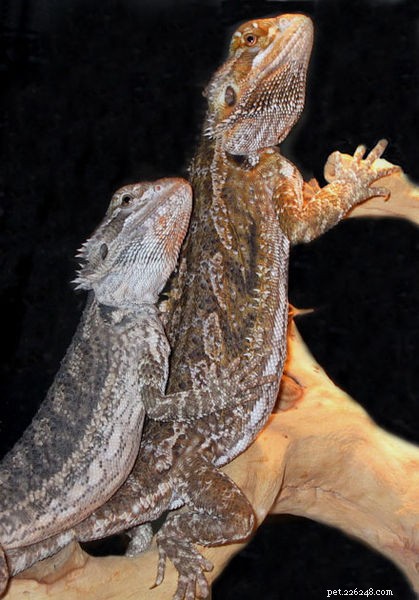
If the virus progresses to the nervous system, the lizard may exhibit more definitive symptoms, such as tail tip and toe twitching. The Star Gazing moniker arises from the arching position (head and tail pointing upwards; please see photos here) adopted by some individuals with nervous system involvement. Atadenovirus infections may also weaken the immune system, as victims often become ill from bacteria, intestinal parasites and other seemingly unrelated micro-organisms. Organ damage has also been reported.
Due to their size and secretive ways, young Bearded Dragons present an especially difficult problem, with infected animals often dying for no apparent reason. Hatchlings and youngsters that fail to gain weight and are inactive (taking normal variability into account) should be checked for Atadenovirus.
Treatment
Unfortunately, we currently have no drugs capable of eliminating Atadenovirus from Bearded Dragons. Treatment typically consists of supporting the immune system through antibiotics (to kill off other micro-organisms), nutrition and supplements. Especially resilient individuals may suffer occasional severe reactions, during which time treatment is helpful, but live otherwise normal lives. In general, however, Atadenovirus infections are fatal; an experienced veterinarian should be consulted as to the best course of action.
Please write in if you need further information or assistance in locating a veterinarian.
- Healthy Fruits & Vegetables for Your Bearded Dragon
- Essential Care Guide for Ill Bearded Dragons: Quick Vet Steps & Home Care
- The Paradox Bearded Dragon: A Rare Morph with Distinctive Color Patterns
- Understanding Atadenovirus (ADV) in Bearded Dragons: Symptoms, Diagnosis, and Care
- Bearded Dragon Gut Content: Nutrition, Health, and Natural Hunting Insights
- Feeding Bearded Dragons: A Professional Review of Zoo Med’s Bearded Dragon Food
- The Ultimate Guide to Bearded Dragon Nutrition