

299 Green Sea Turtles Perished at Cayman Turtle Farm – Evaluating Meat-Trade Practices for Conservation
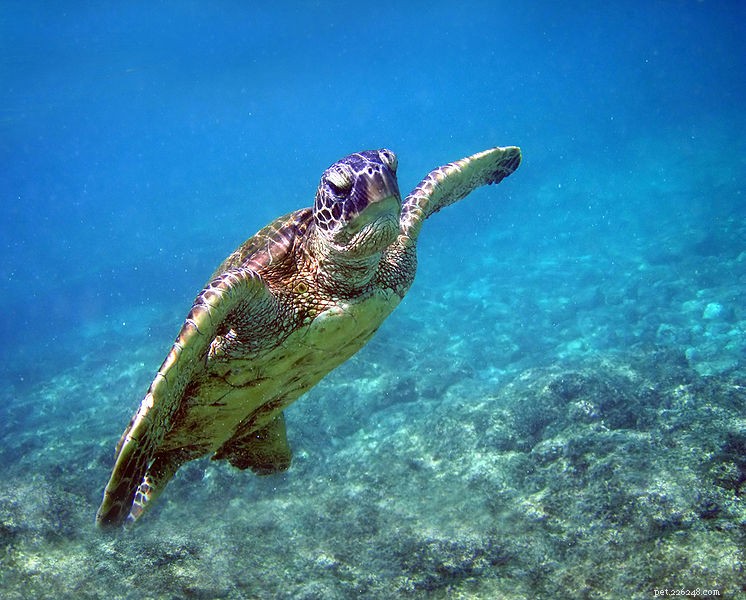 An accident that caused the deaths of 299 endangered Green Turtles at the Cayman Turtle Farm has raised concerns about the facility’s operation. The incident brought other issues to my mind as well. I was first inspired by the legendary herpetologist Archie Carr, and have since been involved in several field studies of Green, Leatherback and other marine turtles (please see article below). I see the value in organizations such as Cayman Turtle Farm, which raises turtles for the food market while also racking up important “firsts” in breeding and research. However, many disagree with me. What’s your opinion? Any comments you may wish to post below would be much appreciated.
Conservation through Commercialization
Whatever your personal feelings concerning the consumption of turtles or other animals may be, it is clear that commercial farming can play a role in 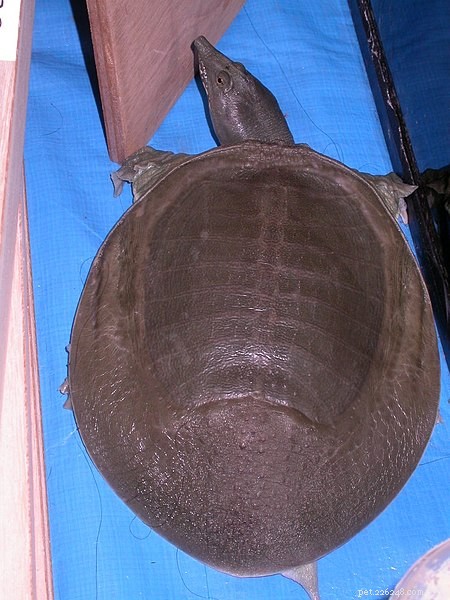 conservation. The classic US example is the American Alligator. Legal protections helped, of course, but large scale breeding for the meat and hide trade made a huge difference in that species’ future.
More recently, the farming of Chinese Softshell Turtles has been advanced as a means to ease the “Asian Turtle Crisis” (please see article below). Herp hobbyists are now breeding species that were unknown even in zoos in years past, often eliminating the financial incentive for collecting wild specimens in the process (please see Do Reptile Hobbyists Help or Hinder Conservation?). At least one conservation organization, Wikiri, is now funding research by breeding frogs for the pet trade (please see this article).
Just last month, I had the thrilling opportunity to meet Jack Rudloe, a legendary naturalist whose work has influenced me since childhood. We spoke about “practical conservation” and, while there are many gray areas, it is clear to me that we cannot operate in a vacuum when the needs of people and animals collide. If this subject interests you, I highly recommend his Time of the Turtle, which combines fact, observations and a premier conservationist’s thoughts in the style of Ditmars, Pritchard and other greats…a rare treat. The Sea Brings Forth and his other books are also unequalled…you’ll not be disappointed!
Turtle Deaths at Cayman Turtle Farm
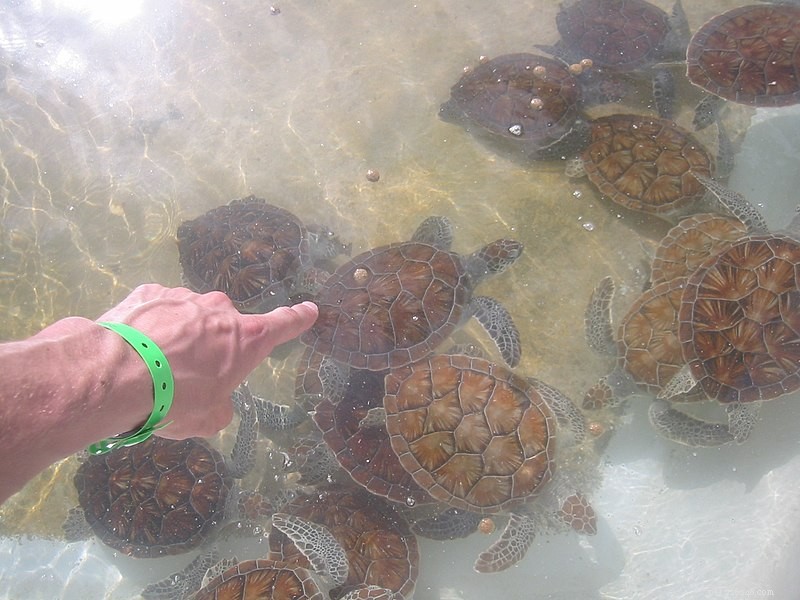 On July 16, 2012, a leaking underground pipe led to the deaths of 299 3-5 year-old Green Turtles. As marine turtles can survive for quite some time without water, concerns were raised as to why the problem was not discovered sooner. Other questions arose as to the propriety of keeping so many individuals in the same tank and regarding the 2 week interval between the incident and public disclosure.
While the Cayman Turtle Farm has an impressive conservation record, its operation has not been problem-free. An attempt to ship live Green Turtles to Europe was in violation of CITES regulations, and waves from a 2001 hurricane released 75% of the farm’s breeding stock.
In a press release, Cayman Turtle Farms stated that new safeguards, including a backup water supply, have been installed.
Conservation at Cayman Turtle Farm
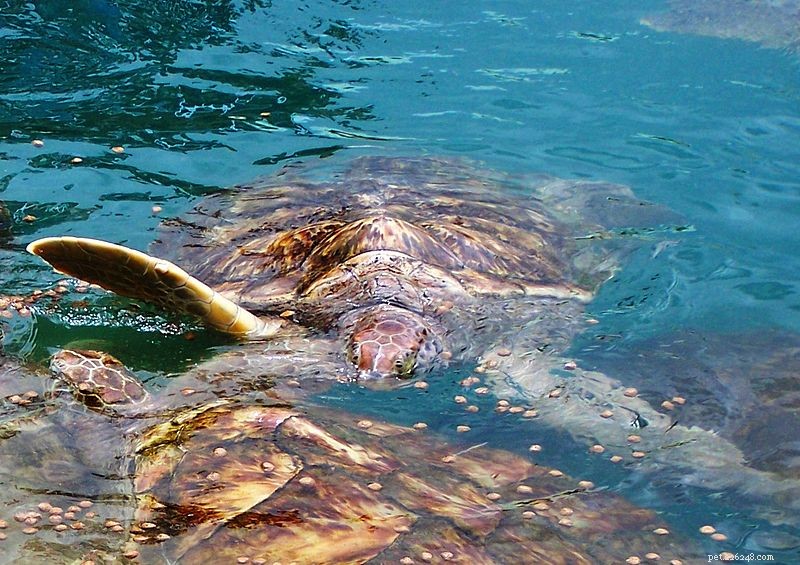 Founded in 1968, the Cayman Turtle Farm is the island’s largest land-based tourist attraction. It was originally conceived as a means of producing Green Turtle meat via breeding as opposed to hunting. Over time, a significant research/conservation component was added. Turtles hatched at the farm mated and nested in 1975, a first time event that has not been accomplished elsewhere.
In 1980, a breeding program was undertaken to further the conservation of the Kemp’s Ridley Turtle. In 1984, the farm became the only facility to have bred this highly endangered reptile in captivity.
Second generation Green Turtle hatchlings were produced in 1989, and to date 31,000 have been released in conjunction with a “head-starting” effort. This year (2012), a second generation Green Turtle was released and is being monitored via satellite tag. This study, the only one of its kind, may provide important information on the adaptations of captive-bred turtles to the wild. Given marine turtles’ extensive travels and complex mating strategies, herpetologists are very interested in the outcome. You can follow this turtle, known as “Jerry”, here.
- Essential Habitat and Care Requirements for Turtles
- Understanding the Anatomy of Turtles: Key Body Parts Explained
- How Fast Do Turtles Move? Speed of Land, Freshwater, and Sea Turtles Explained
- Finding Turtles: Expert Tips to Locate Wild, Lost, and Rescue Pets
- Complete Musk Turtle Care Guide: Housing, Lighting, and Health Tips
- Eastern Mud Turtle Care Guide: Habitat, Feeding, and Health
- Urgent Turtle Conservation Update: Protecting USA’s Native Species Amid the Asian Turtle Crisis