

The Olm: Europe's Blind Cave Salamander That Thrives Underground
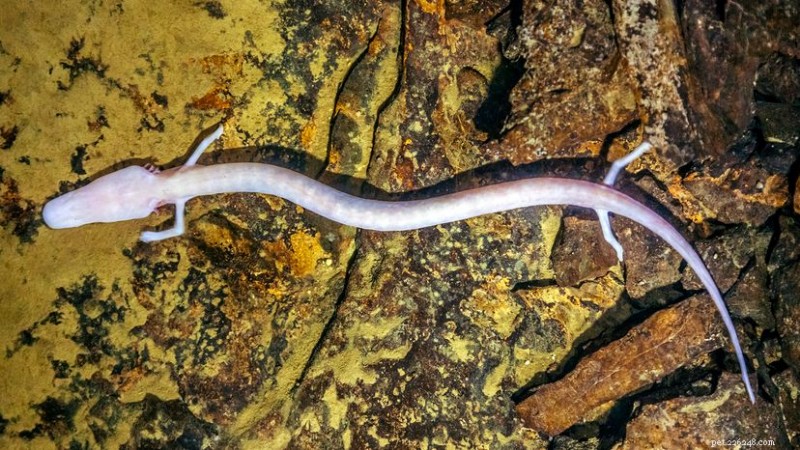
Beloved by scientists and feared by folklore, the olm (Proteus anguinus) is one of the most extraordinary amphibians on Earth. This pale, blind salamander is a true marvel of evolutionary adaptation, living exclusively in the perpetually dark waters of karst caves across southeastern Europe.
Where Olms Reside
Unlike most amphibians, the olm spends its entire life submerged in subterranean aquifers. Researchers observe these shy creatures gliding through intricate cave systems where sunlight never penetrates. Their habitat—primarily in the limestone regions of Slovenia, Croatia, and nearby areas—offers a stable, cool environment that is essential for their survival.
Unique Biology and Sensory Adaptations
With a translucent, white skin that resembles human flesh, the olm is often called the “human fish.” It possesses elongated bodies, small limbs, and feathery external gills that allow it to breathe in oxygen‑rich water. Eyes are underdeveloped and covered by skin, reflecting the lack of light in its environment. Instead, the olm relies on sophisticated non‑visual systems: inner‑ear receptors detect vibrations, chemical cues help locate food, and sensitive epidermal cells can even sense faint electric fields.
Life in the Subterranean World
The olm’s natural range spans the karst landscapes of Slovenia, Croatia, and surrounding southeastern European regions. Within these caves, temperatures remain relatively constant year‑round, enabling the olm to conserve energy and live for decades. Its diet is modest—primarily insect larvae, small crustaceans, and occasionally other drifting organisms—allowing it to survive for years without feeding.
Reproduction and Longevity
Olm reproduction is as slow as its life. A female typically breeds once every few years, depositing eggs in sheltered crevices. Unlike many salamanders, olm larvae do not undergo a terrestrial stage; they mature directly in water. Some studies suggest that olms can live beyond 60 years, ranking them among the longest‑lived amphibians.
Conservation and Scientific Importance
Olms depend on pristine underground waters, making them vulnerable to pollution and human disturbance. Their conservation status is listed as endangered in several countries. Scientific research focuses on their unique genetics and evolutionary history. Projects like the Proteus Genome Project, carried out at facilities such as the Proteus Vivarium at Postojna Cave Park, aim to uncover the genetic basis of their remarkable adaptations. Findings are published in journals by Oxford University Press and shared through resources such as the Animal Diversity Web.
Studying the olm offers invaluable insights into how life can thrive in some of Earth’s most extreme, light‑free environments.
This article was crafted with AI assistance and subsequently reviewed and fact‑checked by a HowStuffWorks editor.
- The Science Behind Dalmatian Smiles: What Your Dog's Grin Reveals
- Moving With Your Pet: A Practical Guide for Stress‑Free Relocation
- Understanding Canine Pancreatitis: Causes, Symptoms, Treatments & Prevention
- Fear Free Certification Explained: Reducing Pet Stress & Enhancing Vet Care
- 18 Senior Dogs Showing How to Thrive in Their Golden Years
- 10 Heartwarming Cat Stories That Will Win Your Family Over to Adoption
- Why Bengal Cats Talk: Their Unique Human-Only Meowing Explained