

The Smallest Frog on Earth: A Tiny Amphibian That Defies Size
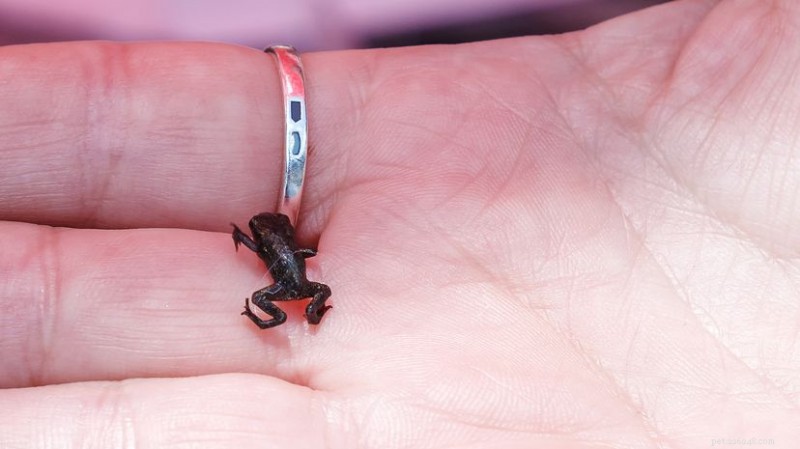
Shockingly, this image is not AI-generated. Shandor_gor / Getty Images/iStockphoto
The smallest frog on Earth is so tiny it can sit comfortably on a dime and still leave space around its toes. Scientists studying amphibians have found that some frogs have shrunk to extraordinary sizes while maintaining the full complexity of vertebrate biology.
Most of the world’s smallest frogs thrive in tropical forests—particularly in Papua New Guinea and Brazil—where they spend the majority of their lives concealed within leaf litter. Their bodies blend seamlessly with soil, bark, and decaying plant matter, allowing them to evade predators and capture prey with remarkable efficiency.
Miniaturization is not just a curiosity; it’s an adaptive strategy that opens ecological niches inaccessible to larger species. By remaining diminutive, these frogs can prey on minute invertebrates and inhabit microhabitats that larger amphibians simply cannot exploit.
All About Paedophryne amauensis
Paedophryne amauensis ranks among the world’s smallest vertebrates. Adult males measure a mere 0.30 inches (7.7 mm) in length.
This species belongs to the genus Paedophryne, a group of exceptionally small amphibians native to the eastern rainforests of Papua New Guinea. Researchers first reported its discovery in January after surveying leaf‑litter communities across the forest floor.
These frogs inhabit elevations from about 650 to 3,100 feet (200–950 m) above sea level in mountainous tropical forests. The humid, shaded environment of New Guinea provides the moisture and cover essential for organisms with bodies so small.
Locating them is a challenge. Male frogs emit high‑pitched calls that resemble insect chirps, often confusing observers with crickets. Scientists typically locate them by listening carefully, then sifting through damp leaf litter to spot the minuscule frogs.
Other Contenders for the World’s Smallest Amphibians
Before Paedophryne amauensis received the title, the Brazilian gold frog (Brachycephalus didactylus) was considered the world’s smallest frog, measuring about 0.34 inches (8.6 mm) in length and inhabiting Brazil’s Atlantic forest.
The Brazilian flea toad (Brachycephalus pulex) is another tiny species. Males average 0.28 inches (7.1 mm), while females reach about 0.32 inches (8.15 mm). The smallest recorded individual measured just 0.25 inches (6.45 mm) from snout to vent.
Unlike many frogs, these species bypass the tadpole stage entirely. Their eggs hatch into miniature froglets that already resemble adults—a life‑cycle adaptation that proves vital in leaf‑litter habitats where standing water is scarce.
First described in 2011, the Brazilian flea toad is endemic to Brazil and relies heavily on moist forest floor habitats; drying conditions can quickly threaten these fragile animals.
How Tiny Frogs Adapt to Being So Small
Extreme miniaturization reshapes frog biology in striking ways. Many miniaturized frogs lose digits or reduce bone count, and their skeletons may contain fewer ossified elements.
The Brazilian flea toad exemplifies this trend. Researchers have documented that miniature anurans often lose skull bones and phalangeal elements, providing insight into how body size influences morphology.
Small size also dictates diet and behavior. These frogs feed on tiny prey such as mites and other minute invertebrates that inhabit decomposing leaves, positioning them at the heart of the forest‑floor ecosystem.
However, being so small creates challenges. Tiny amphibians dry out rapidly, so they depend heavily on moist microhabitats within leaf litter to survive.
New Discoveries Show How Much Biodiversity Remains
Scientists continue uncovering new frog species worldwide. In Mexico, researchers recently identified several tiny frogs from the genus Craugastor, some measuring as little as 0.51 inches (13 mm) as adults.
These frogs are likely micro‑endemic, existing only in very small geographic areas. Their limited dispersal ability hampers relocation to new habitats when environmental conditions change.
Many of these newly identified species already face conservation threats. Habitat fragmentation, land‑use changes, and the fungal disease chytridiomycosis endanger amphibian populations globally.
Researchers advocate for expanding protected areas to safeguard these frogs and their habitats. Continued field research, museum collections, and genetic analysis are essential for identifying species and deepening our understanding of amphibian biodiversity.
This article was produced with the aid of AI technology and subsequently fact‑checked and edited by a HowStuffWorks editor.
- Discover the Unique Traits of the German Shepherd–Husky Mix
- What Causes Sneezing in Guinea Pigs? Symptoms, Causes, and Care Tips
- Managing Deafness in Dogs: Tips for Care and Communication
- 17 Irresistibly Cute Pet Faces You Can't Miss
- Stray vs. Feral Cats: Understanding the Key Differences
- 9 Proven Ways to Stop Your Cat from Scratching Your Furniture
- Preventing and Treating Feather Plucking in Birds: A Complete Care Guide