

Frog Predators Unveiled: Birds, Reptiles, Mammals, and Even Frogs Themselves
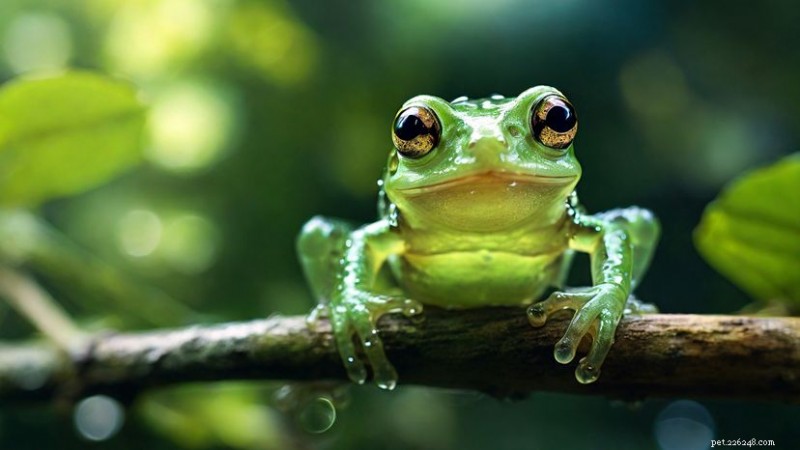
Frogs are far from the apex of their ecosystems. Their permeable skin and reliance on water make them sensitive to environmental shifts, while their delicious protein attracts a wide array of predators.
Birds That Eat Frogs
Many bird species rely on frogs as a key food source. Herons, storks, crows, hawks, and even ducks take advantage of the frogs’ proximity to water. While some spot prey from the air, others hunt along pond edges, using their sharp beaks or quick feet to capture unsuspecting amphibians.
Herons spear frogs with their long bills, whereas crows often dislodge hidden frogs by flipping rocks or leaves. Frogs’ defensive freeze reflex can inadvertently make them easier targets for a bird with keen vision.
Reptiles on the Hunt
Snakes and lizards are regular frog consumers. Garter snakes and water snakes use heat‑sensing pits or ground vibrations to locate frogs, especially in low‑light conditions. Monitor lizards and tegus employ stealth, ambushing frogs in both wet and dry habitats where hiding places are scarce.
Amphibians Eating Their Own Kind
Cannibalism is common among certain frog species. African and American bullfrogs frequently consume smaller conspecifics when food is scarce. Even tadpoles will eat one another—a pragmatic survival tactic in nutrient‑poor environments.
Mammals That Eat Frogs
Skunks, raccoons, otters, badgers, wild pigs, and some primates add frogs to their diets when the opportunity arises. In many cultures, frog legs are prized delicacies, and farmed frog species are a global food source. Domestic cats and dogs may also pursue frogs, but many species secrete toxins that can be harmful to pets.
Water‑Based Predators
Aquatic predators pose constant threats to frogs. Fish such as bass, trout, and catfish prey on both tadpoles and adult frogs. Crayfish and large snails consume eggs that cling to vegetation, while dragonfly larvae, water beetles, and leeches target juvenile frogs, draining their fluids over time.
Insects, Crickets, and Snails
Large insects can counterattack frogs; for instance, giant water bugs ambush and digest smaller amphibians using powerful enzymes. Certain snail species feed on gelatinous eggs, disrupting reproductive cycles, and some invasive snails are linked to amphibian population declines. In pet trade settings, crickets can introduce parasites that harm frogs.
How Frogs Eat Things
Frogs employ lightning‑fast tongues to snatch prey, swallowing whole insects, small animals, and occasionally birds. Most species lack teeth, favoring a soft‑tongue strategy. Movement is their primary cue, with acute vision detecting motion within reach. Interestingly, frogs do not drink through their mouths; instead, they absorb water through a patch of skin on their belly, underscoring the importance of clean water sources.
Where Frogs Live and Get Eaten
From rainforests to deserts, mountains to backyards, frogs occupy diverse habitats. In forests, birds and snakes dominate; wetlands favor fish and insects; terrestrial areas see mammals and reptiles. Their moist environments expose them to chemical permeation and vulnerability to predators.
Why Frogs Matter in the Food Web
Frogs regulate insect populations and serve as prey for numerous species, bridging aquatic and terrestrial ecosystems. Declines in frog numbers signal ecological distress—often due to habitat loss, pollution, invasive species, or climate change. Protecting frog habitats preserves vital energy transfer and ecological balance.
Our article combines AI research with editorial fact‑checking by a HowStuffWorks editor.
- Introducing a Ragdoll Kitten to Your Dog: Expert Tips & Real-Life Experience
- 5 Key Reasons Behind Your Pet's Misbehavior & How to Correct Them
- The Ideal Training Frequency for Your Dog: Expert Guidance
- Adorable Belgian Malinois Puppies: Breeding, Care & Characteristics
- Top 10 Small Rodents for Pet Lovers: A Comprehensive Guide
- Key Symptoms of Blood Clots in Dogs: What to Watch For
- Why Your Dog's Bad Breath Is a Serious Health Concern