

The 7 Most Toxic Poison Dart Frogs: Colors, Toxins, and Conservation Threats
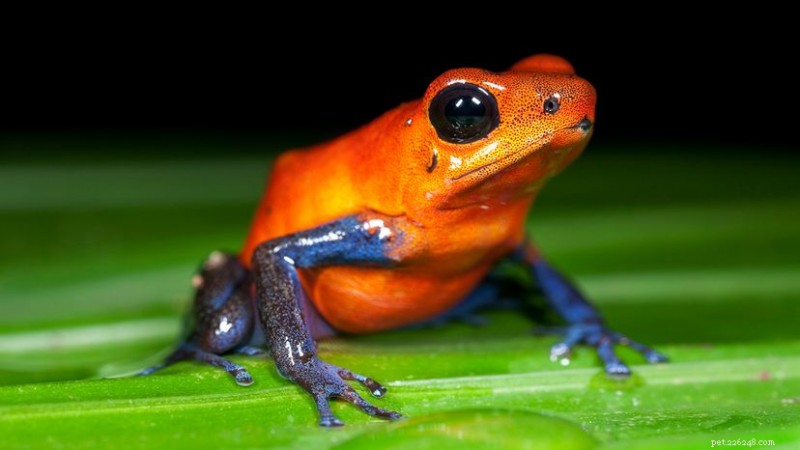
These neon‑colored amphibians may appear harmless, but their skin secretions are some of the most potent toxins known to science. Native to the humid rainforests of Central and South America, poison dart frogs use bright coloration as a warning to predators and have evolved a diverse arsenal of alkaloid toxins.
1. Golden Poison Frog (Phyllobates terribilis)

The golden poison frog, found in western Colombia, is the deadliest amphibian on the planet. Its skin contains batrachotoxin, a neurotoxin that can kill up to ten adult humans. Indigenous peoples have historically used this toxin to coat blow‑dart tips, giving the species its name. The frog’s toxicity derives from its diet of toxic ants, mites, and beetles; without these natural food sources, captive frogs lose their venom potency.
2. Blue Poison Dart Frog (Dendrobates tinctorius azureus)

Native to the Sipaliwini Savanna of southern Suriname, this electric‑blue frog carries a less lethal but still significant dose of batrachotoxin. Its striking coloration serves as a classic example of aposematic signaling. Like its golden cousin, the blue dart frog’s toxicity depends on a wild diet that is difficult to replicate in captivity.
3. Strawberry Poison Dart Frog (Oophaga pumilio)

The strawberry poison dart frog, found in Costa Rica and Panama, is renowned for its bright red body and blue legs. With over fifteen color morphs, it is one of the most variable species in the family. While its toxins are not lethal to humans, they effectively deter predators and are synthesized from the frog’s diet of ants and mites.
4. Phantasmal Poison Frog (Epipedobates tricolor)

Endemic to central Ecuador, this frog produces epibatidine, a compound once investigated as a potent painkiller. Threatened by habitat loss, the illegal pet trade, and chytrid fungus, it exemplifies the fragility of poison dart frog populations. Captive frogs lose their toxicity because their specialized diet cannot be reproduced outside the wild.
5. Black‑Legged Poison Dart Frog (Phyllobates bicolor)

Found in Colombia, this species is second only to the golden poison frog in toxicity. Its batrachotoxin levels are sufficient to deter most predators. Deforestation, climate change, and disease are driving declines, and while captive frogs are rarely toxic, they are popular in the pet trade.
6. Green and Black Poison Dart Frog (Dendrobates auratus)

Common in Central America and along the Pacific coast of South America, this frog’s mint‑green and black coloration masks a potent alkaloid toxin that affects muscle and nerve function. It thrives in lowland tropical rainforests and is active during the day. Some populations have been introduced to other regions, including Hawaii.
7. Lovely Poison Frog (Phyllobates lugubris)

Despite its gentle name, the lovely poison frog is highly toxic. Native to Central America, it inhabits dense forest streams where its bright coloration serves as a deterrent. Habitat destruction and chytrid fungus pose significant threats to its survival, underscoring the need for rainforest conservation.
This article was fact‑checked and edited by HowStuffWorks editors.
- Top Docile Tarantula Species: Ideal Beginner Pets for Safe, Low‑Risk Handling
- Can Dogs Experience Claustrophobia? Understanding Their Fear of Enclosed Spaces
- Honoring Caymus on His 17th Birthday: A Heartfelt Tribute
- Expert Guide: Brushing Your Dog’s Teeth for Healthier Smiles
- African Grey Parrot: Your Smart, Expressive Companion
- Understanding Fear-Driven Aggression in Dogs: Causes & Solutions
- How to Safely Transition a Finicky Cat to a New Food Brand