

13 Stunning Axolotl Morphs Every Enthusiast Should Know
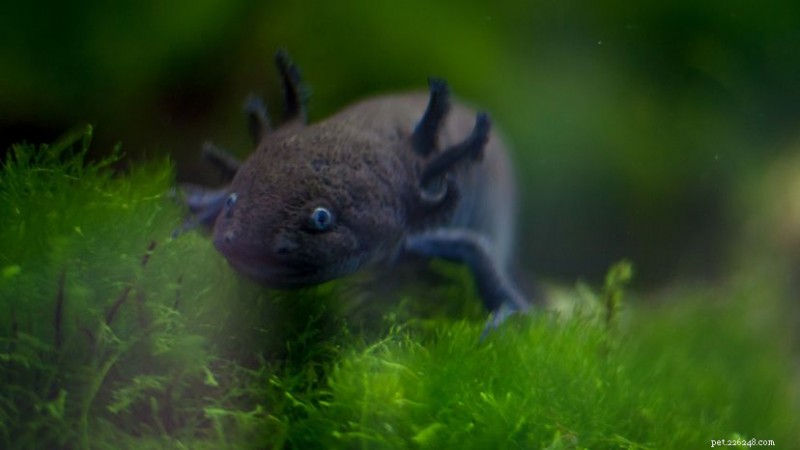
Axolotls are more than just cute amphibians; they are a living laboratory of genetics and evolution. This guide walks you through 13 distinct morphs, from the classic wild type to the cutting‑edge GFP varieties, highlighting their appearance, genetic background, and care considerations.
1. Wild‑Type Axolotl
The baseline morph mirrors the species’ natural habitat. A dark gray to black body, speckled pattern, and deep‑purple gills characterize this common form. Pigment cells, or chromatophores, create its varied shading.
2. Leucistic Axolotl (Lucy)
Leucistic individuals exhibit pale pink skin with black eyes and a light pink hue. Unlike true albinos, they retain some pigment, giving them a soft, distinctive look that has earned them the nickname “Lucy.”
3. Golden Albino Axolotl
These albinos show a light tan body with golden flecks and yellow pigments. Their translucent skin and absence of melanin make them true albinos, while recessive genes turn their eyes red.
4. White Albino Axolotl
White albinos resemble leucistics in body color but possess the albino gene, resulting in red eyes and an even paler pink hue. They lack the golden tint of their golden counterparts.
5. Melanoid Axolotl
Completely black, melanoid axolotls lack iridophores—the cells that produce reflective colors—resulting in a uniform, matte appearance. Some heavily marked variants show exceptionally dark pigmentation.
6. Copper Axolotl
This rare morph sports a muted brown or tan tone with subtle coppery undertones, often described as pinkish. Its muted coloration makes it a prized specimen among collectors.
7. Lavender Axolotl
Lavender axolotls display a soft purplish‑gray hue, with dark eyes adding contrast. Some mature individuals develop a lighter, silver‑gray tint over time.
8. Axanthic Axolotl
Axanthic axolotls lack yellow pigments, giving them a washed‑out gray or dark appearance. A specific genetic mutation causes this absence, distinguishing them from wild types.
9. GFP Axolotl
Genetically engineered to express green fluorescent protein, GFP axolotls glow bright green under UV light. The entire body lights up, not just the tail, making them a favorite for researchers and hobbyists alike.
10. Firefly Axolotl
A chimera variant, firefly axolotls combine a GFP tail with a non‑GFP body (or vice versa). Their glowing tail is visible under blacklight, a result of experimental embryonic grafting.
11. Enigma Axolotl
Rare and poorly understood, enigma axolotls begin life fully black, later developing gray and white patches with iridescent gold highlights. Their unpredictable patterning keeps researchers intrigued.
12. Mosaic Axolotl
Mosaic morphs display patches of pigment from multiple genetic lines. Although they lay white eggs like albinos, their patterns can include black, white, and other colors, creating visually striking mosaics.
13. Piebald Axolotl
Characterized by stark black patches on a white background, piebald axolotls produce a marbled or spotted appearance, especially on the back and head.
Our article was developed using AI assistance and subsequently reviewed and fact‑checked by a HowStuffWorks editor to ensure accuracy and depth.
- 7 Expert Tips to Keep Your Dog Safe Around the Christmas Tree
- 7 Pro Tips for Rainy Day Dog Walks: Keep Your Pup Happy & Safe
- How to Keep Your Dog Fresh Without Shampoo
- Top Dog Bathtime Moments: A Heartwarming Look at #BathtimeChallenge
- Choosing Telemedicine for Your Pet: When It’s the Right Option
- Introducing Caspar: Winner of the 2016 National Black Cat Day Competition
- Top Cat Litter Picks of 2021: Clean, Odor‑Control & Cat‑Friendly Solutions