

Mexico’s National Bird: The Golden Eagle’s Legacy and the Aztec Flag Legend
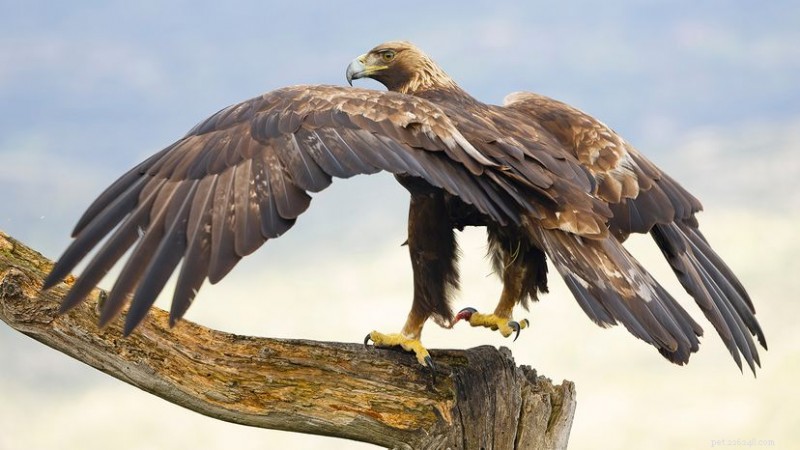
The golden eagle is not only a striking centerpiece of Mexico’s flag but also a living testament to centuries of cultural heritage. Perched on a prickly‑pear cactus, the eagle devours a serpent—a powerful tableau that has graced Mexico’s national coat of arms for generations and was formally enshrined in 1984.
The Golden Eagle: Mexico’s Official National Bird
Aquila chrysaetos, the golden eagle, is officially Mexico’s national bird. The 1984 decree that codified the flag’s imagery reaffirmed a symbol that had already been embedded in Mexican identity for centuries.
Beyond its iconic depiction, the golden eagle embodies strength, courage, power, and wisdom—qualities revered by Mesoamerican peoples who associated the bird with the sun and divine authority.
With a wingspan of 1.9 to 2.3 meters (6 to 7.4 feet), golden eagles are among the world’s most widespread raptors, found across North America, Europe, and Asia—including regions such as Alaska, New Mexico, and central Mexico.
The Aztec Legend Behind Mexico’s Flag
According to Aztec codices, the god Huitzilopochtli directed the Tenochtitlan people to build their capital where they would find an eagle devouring a snake on a prickly‑pear cactus. The symbol appeared on an island in Lake Texcoco, leading to the founding of Tenochtitlan and, eventually, Mexico City.
Over time, this myth evolved into the national coat of arms and later the flag, representing the triumph of the sun over its adversaries and serving as a potent national emblem.
The Crested Caracara Debate
While the golden eagle holds official status, some scholars argue that the original bird described in Aztec records might have been the crested caracara (Caracara plancus). This falcon‑family species, recognizable by its long legs and distinctive crest, ranges from southern Arizona through Central America and into parts of South America.
Naturalist Rafael Martín del Campo suggested that early Aztec illustrations could depict a crested caracara rather than a golden eagle. Over time, misinterpretations may have led to the adoption of the eagle as Mexico’s modern symbol.
How Golden Eagles Live and Hunt
Golden eagles are formidable hunters. Adults are mostly dark brown with golden feathers around the head and neck. Their expansive wingspan enables them to soar high, scanning open landscapes for prey.
Typical prey includes small mammals such as rabbits and ground squirrels, but they will also capture turtles, frogs, fish, insects, and carrion when opportunities arise. They construct large nests—eyries—on high cliffs or rocky ledges, offering panoramic views for spotting prey.
We crafted this article with AI assistance and subsequently had it thoroughly fact‑checked and edited by a HowStuffWorks editor to ensure accuracy and reliability.
- Essential Tools Every Dog and Cat Owner Should Have
- Teach Your Puppy to Sit & Stay: Easy Steps for Obedience
- Choosing the Right Bloodhound: Key Differences Between Males and Females
- Understanding Calico & Tortoiseshell Cats: Myths, Facts & Care
- Are Blackberries Safe for Cats? What You Need to Know
- Mastering Eye Contact: A Key to Effective Dog Training
- 22 Cats Who Prefer Their Own Space: When to Let Them Be