

The Bald Eagle Became the U.S. National Bird in 2024: History, Symbolism, and Conservation
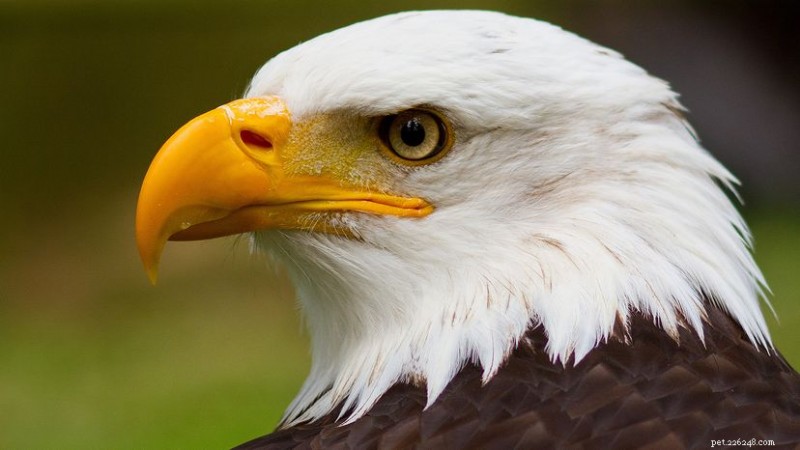
The bald eagle, scientifically known as Haliaeetus leucocephalus, is one of North America’s most iconic birds. Long before it was officially recognized, the eagle had already earned its place in American consciousness as a powerful emblem of freedom, strength, and independence.
For centuries, the bald eagle appeared on U.S. national emblems—most notably the Great Seal adopted in 1782, where it balances an olive branch and arrows to symbolize peace and war. Its image has graced currency, government buildings, military insignia, and the Presidential Seal, cementing its status as a global national symbol.
The Journey to Official Designation
Although widely regarded as the national bird, the bald eagle had never been formally designated in law—until December 23, 2024. Congress passed a bipartisan bill, inspired by eagle advocate Preston Cook, which was approved by the Senate with unanimous consent and subsequently passed by the House. President Joe Biden signed the legislation into law, making the bald eagle the first bird to receive an official federal designation in the United States.
Native American Reverence
Across many Native American traditions, the bald eagle is a sacred messenger that bridges the human and spiritual realms. Eagle feathers play a central role in ceremonies such as the Plains tribes’ Sun Dance. U.S. federal regulations honor this reverence by allowing members of federally recognized tribes to possess bald and golden eagle feathers for religious purposes under specific conditions.
Habitat and Behavior
Predominantly found in North America—from Canada to Alaska—the bald eagle favors large bodies of water, including lakes, rivers, and coastal bays like Chesapeake Bay. These raptors hunt primarily fish, swooping down with powerful talons to snatch prey from the water’s surface. They also opportunistically scavenge or steal from other birds, such as ospreys.
Bald eagles construct impressive nests in tall trees; a typical nest can reach 13 ft (4 m) in height and 8 ft (2.4 m) in width, making it the largest nest built by any North American bird. Juvenile eagles exhibit mottled brown plumage and attain maturity at roughly 4–5 years.
From Near Extinction to Conservation Success
By 1963, the U.S. Fish and Wildlife Service recorded only 417 nesting pairs of bald eagles across the contiguous states—a decline driven by habitat loss, illegal shooting, and the pesticide DDT. The ban on DDT in 1972, coupled with legal protections, catalyzed a dramatic population rebound.
The species was removed from the U.S. Endangered Species List in 2007 and is now classified as “Least Concern” by the IUCN. In 2020, officials estimated 71,400 nesting pairs in the lower 48 states, yet challenges such as lead poisoning, vehicle collisions, and occasional illegal shooting persist.
Why the Bald Eagle Symbolizes America
Supporters of the official designation argue that the bald eagle embodies the qualities many Americans associate with their nation—strength, vision, and resilience. Its commanding presence and soaring flight make it a fitting tribute to the ideals of freedom and independence.
While Benjamin Franklin famously critiqued the bald eagle in favor of the turkey, he never sought to make the turkey the national bird. Today, the bald eagle stands alongside the American bison (national mammal) and the rose (national flower) as part of the United States’ official identity.
We produced this article with AI assistance, and it was subsequently fact‑checked and edited by a HowStuffWorks editor to ensure accuracy and reliability.
- 14 Factory Farming Statistics That Reveal the Harsh Reality of Intensive Agriculture
- Why Dogs Protect Themselves: Key Behaviors Explained
- Quick, Safe Alternatives: Feeding Your Dog When You're Out of Commercial Food
- Is Turkey Safe for Dogs? Vet‑Approved Thanksgiving Menu Ideas for Pets
- Choosing the Right Nail Grinder: Expert Tips for Healthy Dog Nails
- 70 Proven Home Remedies to Keep Your Dog Healthy & Happy
- FIV Explained: Holistic Vet Dr. Jennifer Ramelmeier Shares Expert Insights