

11 Wild Dog Species You Won’t Find in Your Backyard
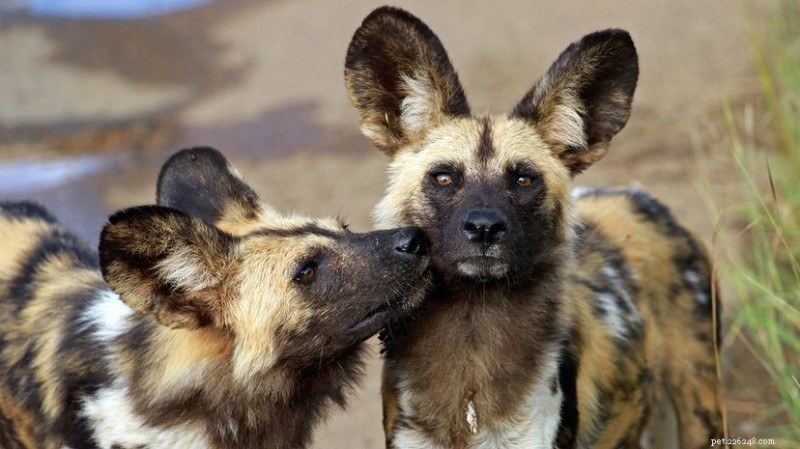
If not friend, why friend-shaped? bayazed / Shutterstock
When we speak of "wild dogs," we refer to the diverse canid species that roam the world’s most varied ecosystems—from polar tundra to tropical jungles.
Unlike the domestic dog (Canis familiaris), these animals have evolved over millennia to thrive in harsh environments, developing specialized hunting techniques, pack dynamics, and physiological adaptations.
The family Canidae includes around 35 extant species, each with distinct traits, behaviours, and conservation challenges. Below, we highlight eleven species that exemplify the wild canid lineage and underscore why they are unsuitable as household pets.
1. African Wild Dog (Lycaon pictus)
Also called the African hunting dog or painted dog, the African wild dog is the sole extant species in its genus. Its striking mottled coat and highly social structure, led by a dominant breeding pair, make it a standout in Sub‑Saharan Africa.
These dogs are exceptional hunters, boasting success rates above 80 %. They primarily target medium‑sized antelope and other ungulates.
Currently, the species is endangered, with roughly 1,700 mature individuals left due to habitat fragmentation, disease outbreaks, and human‑wildlife conflict. Conservation programs aim to bolster genetic diversity and restore viable populations.
2. Gray Wolf (Canis lupus)
The gray wolf is the largest wild dog and a close relative of the domestic dog. Its range spans North America, Europe, and Asia, with several subspecies occupying diverse habitats.
Known for cooperative hunting and complex social hierarchies, gray wolves demonstrate sophisticated communication and teamwork, enabling them to endure extreme climatic conditions.
3. Red Wolf (Canis rufus)
Endemic to the southeastern United States, the red wolf is among the world’s rarest canids. Historically closely related to the eastern wolf, it suffered severe declines before being declared extinct in the wild.
Modern reintroduction efforts have reestablished a small, genetically distinct population, but the species remains critically endangered, with conservation programmes focusing on habitat protection and disease management.
4. Ethiopian Wolf (Canis simensis)
The Ethiopian wolf is the world’s rarest wild dog, found exclusively in the high‑altitude Afro‑Alpine zones of Ethiopia. It specialises in hunting small rodents.
With fewer than 250 mature individuals, it is listed as endangered on the IUCN Red List. Ongoing threats include habitat loss, rabies, and competition from domestic dogs.
5. Dhole (Cuon alpinus)
The Asiatic wild dog, or dhole, inhabits South and Southeast Asia, including southern China. It is famed for its distinct whistling vocalisations and pack‑based hunting strategy.
Current estimates place the total population between 4,500 and 10,500, with only 949 to 2,215 mature individuals. Habitat encroachment and competition with larger predators drive its decline.
6. Bush Dog (Speothos venaticus)
Found in the wetlands of South America, the bush dog—encompassing the southern and Panamanian variants—features short legs and partially webbed feet, adaptations that facilitate swimming.
Despite its specialised morphology, the species faces significant threats from habitat loss and human encroachment, making it one of the lesser‑known but vulnerable canids.
7. Maned Wolf (Chrysocyon brachyurus)
The maned wolf is the largest canid in South America, distinguished by its long legs and fox‑like appearance. It is not a true wolf but a separate species with unique ecological habits.
As an omnivore, its diet includes small mammals, birds, and plant matter, primarily in grassland and savanna habitats.
8. African Golden Wolf (Canis anthus)
Native to northern and eastern Africa, the African golden wolf was once misidentified as the golden jackal. It now stands as a distinct species, thriving in environments ranging from deserts to fertile plains.
9. Jackal (Genus Canis, species culpeus, mesomelas, rothschildi)
Jackals, including the black‑backed and side‑striped varieties, are medium‑sized canids that occupy a wide array of African habitats. Their opportunistic feeding habits—scavenging or hunting small prey—confer high adaptability.
10. Fox (Various species: Vulpes vulpes, Vulpes lagopus, Vulpes bengalensis)
True foxes such as the red fox, Arctic fox, and Bengal fox exemplify the Canidae family’s diversity. They are renowned for bushy tails, large ears, and remarkable adaptability.
The Arctic fox’s seasonal coat colour change and thick fur enable survival in extreme cold, while the red fox’s expansive range makes it one of the world’s most widespread wild canids.
11. Raccoon Dog (Nyctereutes procyonoides)
The raccoon dog, including the Korean and Ussuri variants, is native to East Asia and has been introduced to Europe. Though its name hints at a raccoon, it is a true member of the dog family.
It features a rounded face and dense fur, adaptations that allow it to thrive in colder climates.
Other Rare and Unique Species
Additional canids such as the short‑eared dog of the Amazon, the hoary fox of South America, and the Sechuran fox of dry regions further illustrate the family’s breadth. The island fox, confined to California’s Channel Islands, has an extremely limited range and is highly susceptible to environmental changes.
How Wild Dogs Differ From Domestic Dogs
Domestic dogs trace their lineage back to an ancient wolf population, yet wild canids share diverse ancestries beyond the gray wolf. While domestic dogs depend on human care, wild canids rely on innate hunting skills, survival instincts, and pack dynamics.
Wild species possess specialised traits—keen senses, powerful jaws, and efficient locomotion—that enable them to thrive in challenging environments.
Conservation and the Future of Wild Dogs
Habitat loss, human conflict, and disease threaten many wild dog species. Conservation initiatives focus on protecting habitats, mitigating human‑wildlife conflict, and disease control to preserve biodiversity.
By maintaining healthy populations of wild dogs, ecosystems benefit from balanced prey dynamics and the ecological roles these predators play.
This article was generated with AI support and subsequently fact‑checked and edited by a HowStuffWorks editor.
- What to Know Before Adopting a German Shepherd–Husky Mix: 7 Essential Facts
- Rocky Mountain Spotted Fever in Dogs: Symptoms, Causes, and Prevention
- Golden Retriever Origins: Tracing the History & Legacy of North America’s Beloved Breed
- Recognizing Neglect in Dogs: Key Signs & How Owners Can Help
- Chihuahua-Labrador Hybrid: A Comprehensive Guide to the Rare Chihuahua Lab Mix
- Megaesophagus in Dogs: Signs, Diagnosis, and Effective Treatments
- Partial Migration on the Rise: Why Many Birds Skip the Long Southern Journey