

What Is a Group of Lizards Called? It’s a Lounge, Not a Colony or Pile
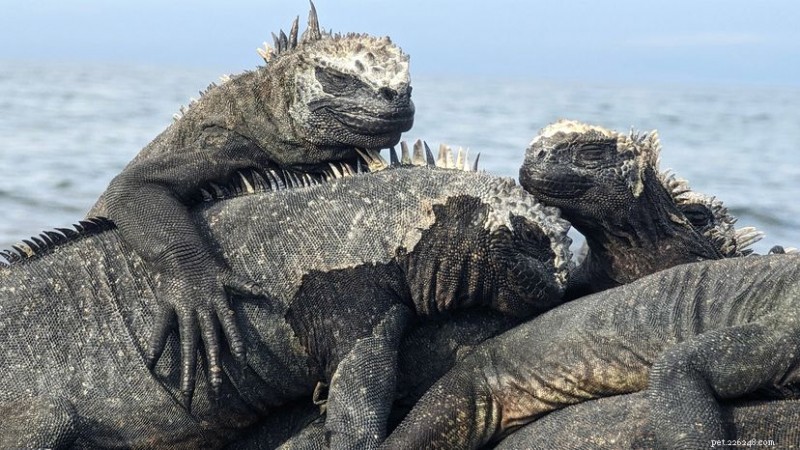
Curious about the collective noun for lizards? The answer is surprisingly playful: a group of lizards is a lounge. This term, defined by the Oxford English Dictionary, reflects the relaxed nature of these reptiles when they gather to bask.
What Does “Lounge of Lizards” Mean?
A lounge of lizards evokes a scene of several lizards flattened on a warm rock, heads raised, soaking up the sun. Lizards are ectothermic reptiles that rely on external heat to regulate body temperature, so a “lounge” captures their calm, sun‑basking behavior. Scientists use precise biological terminology in formal studies, but collective nouns like this one add vivid, memorable language to everyday descriptions.
Why Do Animal Groups Have Creative Names?
Colorful collective nouns help people remember and visualize animal behavior. Over centuries, writers and naturalists coined labels that are both descriptive and memorable. Examples include:
- A pride of lions
- A murder of crows
- A crash of rhinos
- A school of fish
- A herd of buffalo
- A zeal of zebras
Names often reflect how the animals move or sound together—for instance, a “smack” of jellyfish or a “quiver” of cobras suggests motion and tension. Though not scientific, these terms enrich our perception of wildlife.
Do Lizards Actually Form Groups?
Most lizards are solitary, defending territories against conspecifics or closely related species. Nevertheless, several species form loose aggregations, especially where food or basking sites are abundant. For example, green iguanas (Iguana iguana) and marine iguanas (Amblyrhynchus cristatus) are frequently observed sharing a basking spot. They tolerate each other without forming complex social bonds; the gathering is simply a pragmatic response to limited resources.
Other reptiles exhibit similar patterns: crocodiles, alligators, rattlesnakes, and turtles often congregate during basking, cold periods, or on logs. The term lounge of lizards therefore does not imply sophisticated social structure—just a descriptive snapshot of lizards observed together.
How Collective Nouns Help Us Understand Wildlife
Collective nouns translate dry taxonomy into vivid, memorable imagery, making science more accessible. Many of these terms originated in medieval hunting manuals; others were later coined for fun. While researchers rarely use them in formal papers, educators and nature writers find them valuable for engaging audiences.
Learning these words allows us to recognize patterns in the animal kingdom—birds flock, fish school, predators form prides, and lizards lounge. Language equips us to observe and describe nature more precisely.
This article was generated using AI technology and then fact‑checked and edited by a HowStuffWorks editor to ensure accuracy and trustworthiness.
- Do Dogs Know When They’re Spoiled? Understanding the Impact of Overindulgence
- Preparing Your Dog for a Bath: Essential Steps for a Stress-Free Experience (Part 1)
- Top 30 Lap Dogs for Warm, Cuddly Companions
- How to Travel With Your Cat: Essential Tips for a Stress‑Free Vacation
- Can Cats Safely Enjoy Edamame? A Vet‑Approved Guide
- 70 Elegant & Endearing Poodle Names to Choose From
- Hot Spots in Dogs: Signs, Causes, and Effective Treatments