

10 Adorable Snakes That Captivate Nature Lovers
1. Arabian Sand Boa
The Arabian sand boa is a small, desert‑dwelling snake that rarely exceeds 16 in (40 cm). Its distinctive bug‑like eyes and subtle smile give it a cartoon‑ish charm that has made it a favorite on Instagram and in meme culture.
Image credit: Matt Jeppson / Shutterstock
2. Ball Python
Ball pythons are renowned for their docile temperament and impressive variety of color morphs. Native to the grasslands of West Africa, these snakes typically stay under 4 ft (1.2 m) and are a popular choice for first‑time reptile keepers.
Reptile breeders note that their calm demeanor and easy handling make them ideal companions for children and adults alike.
Image credit: Egoreichenkov Evgenii / Shutterstock
3. Hognose Snake
With its upturned snout and dramatic defensive display—flattening its head or playing dead— the hognose snake captures the imagination of both hobbyists and wildlife photographers.
Native to North America, these snakes feed on amphibians and insects, and they rarely bite, making them a low‑risk option for experienced keepers.
Image credit: Drasna / Shutterstock
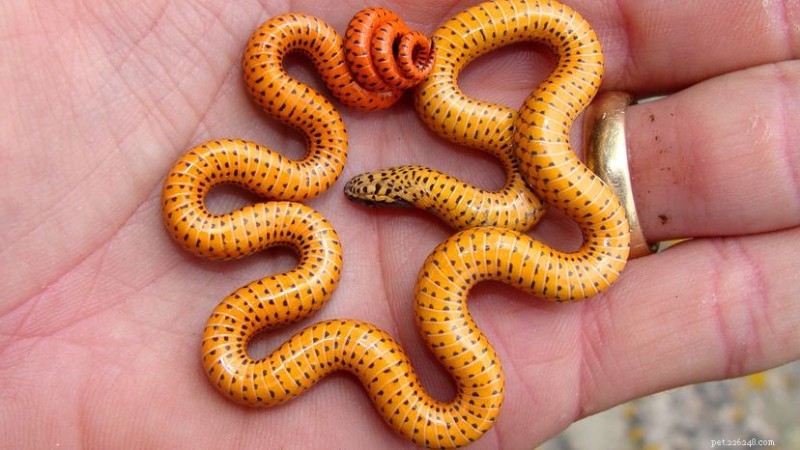
4. Ringneck Snake
The ringneck snake is a tiny, 10‑in (25 cm) creature distinguished by its bright‑orange neck band. Though seldom seen in the wild, its harmless nature and striking appearance make it a beloved species among hikers and herpetologists.
Image credit: Mike Wilhelm / Shutterstock
5. Eyelash Viper
Its “eyelashes”—raised scales above the eyes—give the eyelash viper a wide‑eyed look that is both striking and memorable. Native to Central and South America, this small viper is beautifully colored but carries a potent venom.
Because of its defensive nature, it is generally left in the wild and is a favorite subject for wildlife photographers rather than pet owners.
Image credit: Kevin Wells Photography / Shutterstock
6. Corn Snake
Corn snakes are celebrated for their vibrant patterns and gentle temperament. They are effective at controlling rodent populations on farms and are among the most popular pet snakes in the United States.
Veterinary herpetologists recommend them for beginners due to their ease of care and friendly disposition.
Image credit: Luiza Kleina / Shutterstock
7. Kenyan Sand Boa
The Kenyan sand boa is a stout, short‑bodied snake that spends most of its time burrowing in warm sand. Its tiny head and barely visible eyes give it a “chunky baby” look that appeals to many hobbyists.
Its calm demeanor and minimal space requirements make it a frequent choice for indoor pet keepers.
Image credit: reptiles4all / Shutterstock
8. Children’s Python
Named after herpetologist John George Children, this Australian python typically reaches about 3.3 ft (1 m). Its slow, steady movements and easy handling make it a great introduction for newcomers to snake keeping.
Reptile clubs note that it thrives in a controlled, humid environment and prefers a diet of small mammals.
Image credit: LIGHTITUP / Shutterstock
9. Rosy Boa
As one of only two native boa species in the United States, the rosy boa is valued for its slow pace and friendly face. It is commonly kept as a pet and is often used in educational settings to introduce people to reptile care.
Its diet is simple—typically thawed mice—and it is praised for its tolerance of handling.
Image credit: desenaphoto / Shutterstock
10. Banded Cat‑Eyed Snake
With its large, expressive eyes, the banded cat‑eyed snake has earned the nickname “anime snake.” It inhabits humid tropical forests and feeds on frogs and lizards.
Although it carries mild venom, the species poses little risk to humans and is frequently highlighted in nature documentaries for its unique appearance.
Image credit: Dr Morley Read / Shutterstock
We created this article in conjunction with AI technology, then made sure it was fact‑checked and edited by a HowStuffWorks editor.
- Can Dogs Truly See Phone Screens? What They Actually Notice
- Canine Distemper: Symptoms, Prevention, and Why Vaccination Matters
- Understanding Why Your Cat Headbutts: A Sign of Affection and Trust
- Decoding Rabbit Body Language: A Guide to Understanding Your Bunny's Behavior
- Grain‑Free Dog Foods and Heart Health: What the Science Says
- How to Find and Adopt a Free Puppy Safely
- Is a Coatimundi (Coati) Right for Your Home? Expert Guidance on Care and Compatibility