

10 Vibrant Lizards That Will Amaze Reptile Enthusiasts
While many lizards are known for their green hues, a handful of species boast a spectacular palette that dazzles both casual observers and seasoned herpetologists alike. These reptiles use vivid coloration not only to attract mates and deter rivals, but also as sophisticated camouflage and temperature regulators. Celebrate World Lizard Day—August 14—with a glimpse into these colorful wonders.
1. Panther Chameleon (Furcifer pardalis)
Endemic to Madagascar, the panther chameleon ranks among the world’s most colorful lizards. Male individuals can shift seamlessly between green, blue, orange, and red depending on mood, ambient temperature, or the presence of rivals. This dynamic hue change results from microscopic nanocrystals in their skin that refract light, a phenomenon confirmed by recent spectroscopic studies.
2. Rainbow Lizard (Agama agama)
Also called the common agama or red‑headed rock agama, the rainbow lizard thrives across West Africa’s rocky habitats. Adult males develop a bright orange head and a blue body during the breeding season, employing head‑bobs and push‑ups to signal dominance and attract females.
3. Fiji Banded Iguana (Brachylophus fasciatus)
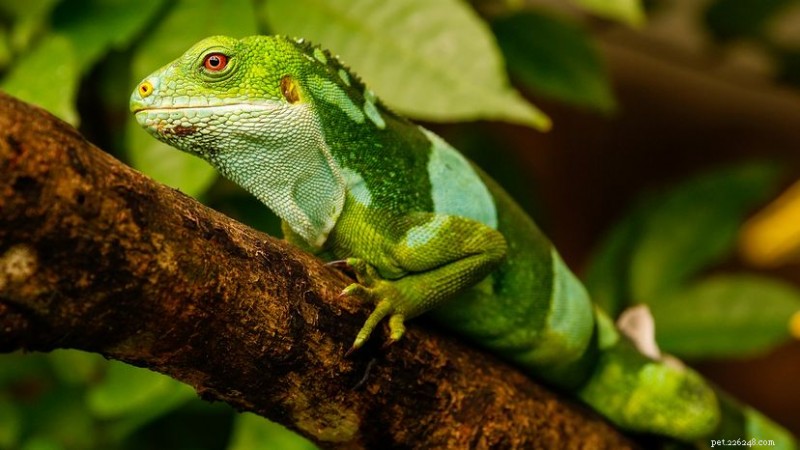
With its bright green base and pale blue or white bands, the Fiji banded iguana is a native of the Fijian islands. Arborivorous and arboreal, it blends into leaf litter, though its vivid patterns aid in intraspecific recognition. Despite its popularity in the pet trade, the species faces threats from habitat loss and invasive predators, as highlighted by the IUCN Red List.
4. Tokay Gecko (Gekko gecko)
Found throughout Southeast Asia, the Tokay gecko stands out with a dark blue‑gray body punctuated by bright orange spots. Nocturnal and vocal, it can produce surprisingly loud calls—especially when threatened or during courtship—adding to its distinct presence.
5. Green Anole (Anolis carolinensis)
Common in the southeastern United States, the green anole often confuses enthusiasts with its chameleon‑like ability to shift from bright green to brown. It uses its green tint for camouflage among foliage and displays a pink throat fan to attract mates.
6. Jesus Christ Lizard (Basiliscus basiliscus)
The common basilisk, nicknamed the Jesus Christ lizard for its remarkable ability to run across water, is typically green or brown with occasional bluish or yellow accents. Its flamboyant stripes and frilled crest enhance its visual display during territorial and mating encounters.
7. Bearded Dragon (Pogona vitticeps)
Hailing from Australia, the bearded dragon is a favorite among pet owners. While its coloration is subtler than some, it can shift hues slightly to regulate body temperature or express mood. Captive breeding has produced vibrant morphs ranging from orange to yellow.
8. Brown Anole (Anolis sagrei)
Originating from Cuba and the Bahamas, the brown anole has become an invasive species across the U.S. It features a bright orange‑red throat fan used for territorial displays and mate attraction, preferring open, rocky environments over dense foliage.
9. Monitor Lizards (Varanus spp.)
Spanning Africa, Asia, and Australia, monitor lizards exhibit diverse patterns, including the mangrove monitor (Varanus indicus), which showcases a dark body with yellow spots and thrives in aquatic settings. These large reptiles can exceed one meter in length, making them apex predators in their ecosystems.
10. Crested Gecko (Correlophus ciliatus)
Rediscovered in 1994 after being presumed extinct, the crested gecko originates from New Caledonia. It offers a wide array of colors—red, orange, yellow, gray—and can subtly shift its hue in response to light or mood, a trait appreciated by both hobbyists and researchers.
This article was produced with AI assistance and subsequently reviewed and fact‑checked by a HowStuffWorks editor to ensure accuracy.
- Top-Rated Cat‑Patterned Slippers for Women: A Comprehensive Review
- Briard Dog Breed Guide: Size, Temperament, and Care Tips
- Why Your Dog Resists a Leash & How to Fix It
- How to Spot Mites on Dogs: Key Signs, Symptoms, and Expert Treatment Advice
- American Foxhound Training: Expert Guide for Puppies & Adults
- Is Pedialyte Safe for Dogs? A Vet’s Guide to Electrolyte Replenishment
- What Causes Dogs to Cry During the Night – Expert Insights & Solutions