

Arabian Sand Boa: Desert‑Burrowing Predator That Ambushes Prey Beneath the Sand
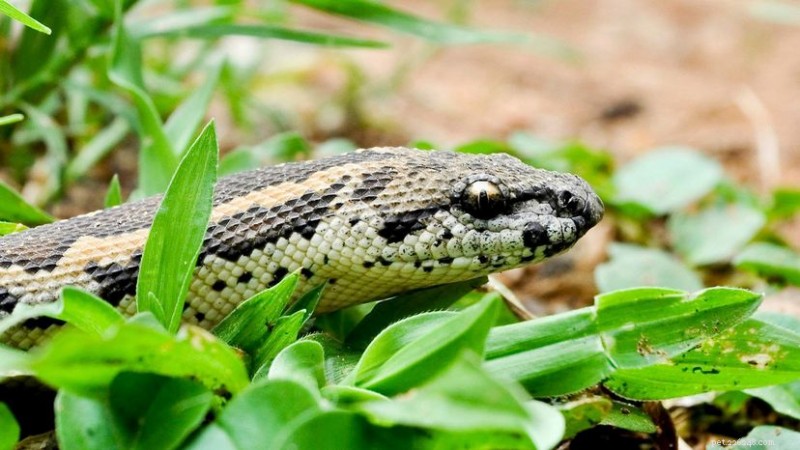
The Arabian sand boa (Eryx colubrinus) has evolved to live almost entirely beneath the shifting sands of the Arabian Peninsula. With a wedge‑shaped head and blunt snout, it slides effortlessly through loose soil, remaining invisible to the eye except for a subtle glimpse of its pupils.
Unlike most snakes, the sand boa does not depend on speed or venom to capture its meals. Instead, it patiently remains buried, eyes perched just above the surface, waiting for unsuspecting prey to cross its path. When a small lizard, gecko, or worm lizard comes too close, the boa delivers a swift, sideways strike and retreats back into the sand.
Adaptations to the Desert
The snake’s sandy brown body, often speckled with white flecks or darker markings, provides perfect camouflage against the dunes. This coloration, combined with its burrowing habits, makes it nearly impossible to spot. The species is found across Saudi Arabia, southern Iran, and neighboring arid regions.
Studies published in the Saudi Journal of Herpetology and the Egyptian Academic Journal highlight the sand boa’s role in maintaining ecological balance by regulating populations of small reptiles and invertebrates.
Live Birth in the Boidae Family
Unlike many of its relatives, the Arabian sand boa is ovoviviparous. Females give birth to a clutch of 4–10 neonates that are immediately independent and capable of burrowing. This reproductive strategy is well suited to the harsh desert environment, where egg incubation would be risky.
The only other Boidae species in the region, Jayakar’s sand boa (Eryx jayakari), shares a wide range but exhibits distinct reproductive and ecological traits. Ongoing research in desert herpetology continues to uncover differences between these closely related species.
An Ambush Hunter
As a specialized ground predator, the sand boa preys on small snakes, short‑fingered geckos, worm lizards, and other desert fauna. Its eyes, positioned slightly above the head, allow it to scan for movement while remaining concealed, a vital adaptation in a landscape where food is scarce and competition is high.
Conservation and Threats
Habitat destruction, climate change, and limited research contribute to an uncertain conservation status for the Arabian sand boa. Scientists from institutions such as Johns Hopkins University Press are actively studying its natural history and long‑term viability in the wild.
This article was generated with AI assistance and subsequently fact‑checked and edited by a HowStuffWorks editor.
- Is a Degu the Perfect Daytime Companion?
- Optimal Nutrition for Dogs with Cushing’s Disease: A Veterinary Guide
- Deutsche Bracke (German Hound): Key Traits, Care & Hunting History
- 9 Reasons Your Cat Is Always Hungry — What It Means & How to Help
- When Is the Ideal Age to Spay or Neuter Your Rabbit?
- Lovebird Diarrhea: Signs, Causes, and Effective Treatment Tips
- 9 Clear Signs Your Dog Is Experiencing Loneliness