

Expert Guide: What Wild Lizards Eat & How to Feed Your Pet
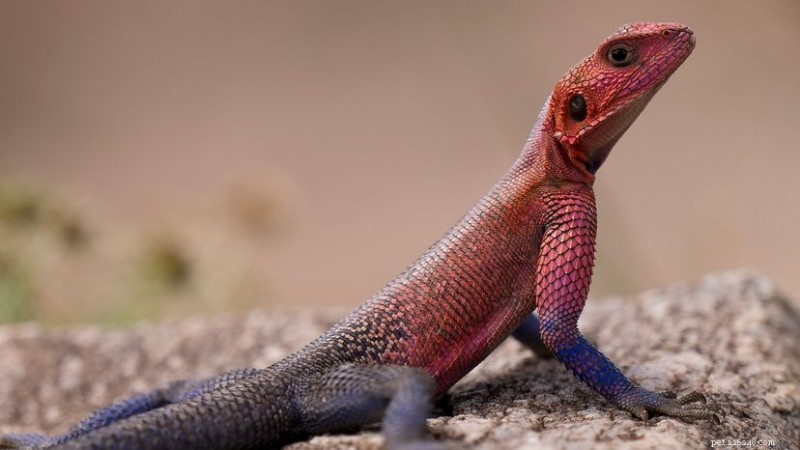
Reptile enthusiasts often wonder about lizard nutrition. With more than 7,000 described species, dietary habits vary widely—from strict insectivores to fully herbivorous specialists.
Insectivorous Lizards: The Dominant Group
Most lizards rely on insects for protein. Typical prey includes:
- Crickets
- Mealworms
- Dubia roaches
- Wingless fruit flies
- Ants, spiders, and earthworms
They strike quickly, targeting prey that fits within the width of their head. Live insects stimulate natural hunting behavior and provide higher nutritional value. Always gut‑load feeder insects with calcium‑rich foods such as dark leafy greens or commercial calcium dust.
Omnivores and Herbivores
Species such as bearded dragons and veiled chameleons are omnivorous, requiring a balanced mix of plant matter and animal protein. Pure herbivores like iguanas feed almost exclusively on vegetation.
Key plant foods include:
- Leafy greens (collard, dandelion, kale)
- Shredded carrots, green beans, squash
- Occasional berries or mango for treats
Both groups benefit from high‑fiber, nutrient‑dense vegetables to support digestion and overall health.
Feeding Your Pet Lizard Properly
While pet stores sell feeders and supplements, a consistent routine is essential. Offer live prey in a shallow dish, provide a clean water bowl, and maintain a reliable heat source to aid digestion.
Foods to avoid:
- Lightning bugs (toxic)
- Wild‑caught insects (pesticide risk)
- Excess fruit (may cause gastrointestinal upset)
Adhering to these guidelines keeps your lizard hydrated, active, and thriving.
Wild Lizard Diets
In their natural habitats, lizards display remarkable dietary flexibility. Desert species may consume ants and succulents, while rainforest dwellers eat worms, leaves, and even small vertebrates. This adaptability enables survival across diverse ecosystems.
We produced this article with AI assistance and have had it fact‑checked and edited by a HowStuffWorks editor.
- Hognose Snake Profile: Species, Care, and Temperament
- Are Fruit Cores Harmful to Dogs? What You Need to Know
- Stomach Tumors in Dogs: Causes, Diagnosis, and Treatment Options
- Essential Animal Care Tips: Keep Your Pets Healthy and Happy
- Neon Tetra (Paracheirodon innesi): Vibrant, Low‑Maintenance Aquarium Fish
- Using Diatomaceous Earth to Effectively Eliminate Yard Fleas: A Proven Guide
- Puppy Gastroenteritis: Symptoms, Causes, and Care