

Congo Snake: Myth vs. Reality – The African Rock Python Explained
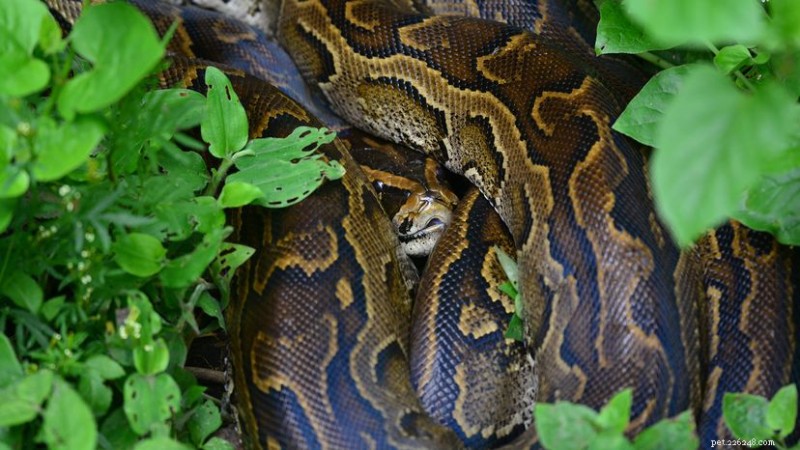
The name “Congo snake” evokes legends of a colossal serpent, yet it usually refers to the African rock python (Python sebae), a true marvel of the continent’s biodiversity.
Historical Sightings
In the 1950s, Belgian Air Force pilot Colonel Remy Van Lierde claimed to have seen a massive, dark‑green snake with a white underbelly while flying over the Belgian‑occupied Congo. He estimated the animal to be about 50 ft (15.2 m) long – a figure that sparked fascination and debate. A photograph taken from the air accompanied his story, and the tale even appeared on the British TV program Arthur C. Clarke’s Mysterious World.
While the veracity of the claim remains uncertain, it highlights the region’s rich herpetofauna and the cultural fascination with large snakes.
Physical Characteristics
The African rock python is the largest constrictor on the African mainland, growing up to 20 ft (6 m) and weighing over 200 lb (90 kg). Its stout, muscular body is built for powerful constriction. The species’ coloration ranges from brown or tan to olive, yellow, chestnut and black blotches, providing excellent camouflage in the forest floor. The underside is usually a pale cream or white.
Like all pythons, it possesses heat‑sensing pits along the lips that allow it to detect warm‑blooded prey even in the dim light of the Congo Basin.
Subspecies
Two subspecies are recognized:
- Python sebae sebae – the northern African rock python found in West and Central Africa; it can reach lengths of over 16 ft (4.9 m).
- Python sebae natalensis – the southern African rock python occurring in Southern Africa; it typically measures 10–14 ft (3–4.3 m).
Both are nonvenomous constrictors that prey on mammals, birds, and reptiles, and they play a pivotal role in their ecosystems.
Behavior and Social Habits
Generally solitary, African rock pythons only meet during the breeding season. They are nocturnal hunters, using the cover of darkness to stalk prey and avoiding predators. During daylight, they seek refuge in termite mounds, caves, or hollow logs—abundant in the Congo’s dense forests.
Diet
These powerful snakes feed on a wide range of warm‑blooded animals, from small mammals and birds to larger ungulates such as antelope and warthogs. Their strong digestive system enables them to endure weeks, or even months, between meals after a substantial catch.
Habitat
The Congo Basin—home to the world’s largest tropical rainforest—provides an ideal environment for the African rock python. Its diverse microhabitats, including swamps, rivers, and savannas, support the species across riverbanks, wetlands, and forest edges.
Life Cycle
Females lay clutches of 20–100 eggs, which they guard and coil around to regulate temperature and shield them from predators—a rare protective behavior among reptiles. Eggs incubate for 2–3 months before hatching. Hatchlings are fully independent and must fend for themselves immediately.
Throughout life, pythons shed skin several times a year, a process called ecdysis that removes parasites and allows growth. In the wild, adults can live 20–30 years, although many do not reach old age due to predation and habitat loss.
Conservation Status
The African rock python is not currently listed as endangered, but it faces threats from habitat destruction, hunting, and the pet trade. In some communities, it is killed out of fear or retaliation for preying on domestic livestock.
Conservation initiatives focus on protecting habitats and raising awareness of the snake’s ecological importance. Organizations such as the African Wildlife Foundation work to preserve the Congo Basin’s biodiversity, ensuring that species like the African rock python can thrive.
Prepared with AI assistance and thoroughly fact‑checked by a HowStuffWorks editor.
- Prevent Food Aggression: Expert Strategies to Keep Dogs from Fighting at Mealtimes
- Do Pets Transport Bedbugs? What You Need to Know
- Do Cats Experience Grief? Understanding Their Emotional Response to Loss
- Keep Your Dog Active and Healthy This Winter: 6 Expert Tips
- Can Dogs Safely Eat Candy? What You Need to Know
- Why Black Cats May Look Lighter in Sunlight
- Mastering Dog Learning: Proven Techniques for Effective Training