

Which Animal Produces More Dung: African Savanna Elephant or White Rhino?
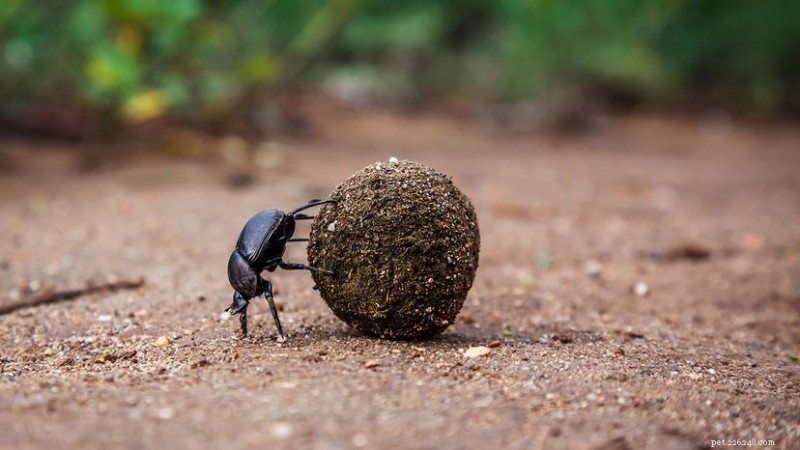
Inquiring dung beetles want to know. PACO COMO / Shutterstock
When it comes to the biggest land mammals, the African savanna elephant outpaces the white rhino in one surprising way: dung production.
Scat on the Scale
The African savanna elephant, the world's largest land animal, can grow to 24 ft (7.3 m) in length, 13 ft (4 m) tall and weigh up to 11 tons (10 metric tonnes). According to the Nature Conservancy, an adult elephant consumes roughly 350 lb (159 kg) of vegetation daily.
The white rhino, the biggest rhino species, reaches a weight of 4,000–5,500 lb (1,800–2,500 kg). The Save the Rhino organization notes that the white rhino is the third‑largest land mammal, after the African bush and forest elephants.
Daily Poop Output: Elephant Wins
An adult elephant can produce up to 220 lb (100 kg) of dung each day, as reported by Elephant Parade. Some conservation sources even quote higher figures, but 220 lb per day is a reliable benchmark.
In contrast, the International Fund for Animal Welfare (IFAW) estimates that a white rhino spreads around 44 lb (20 kg) of dung daily.
Thus, a single African savanna elephant can generate roughly four times as much dung as a white rhino, with variation depending on individual size, diet, and season.
Why the Elephant Out‑Poops the Rhino
The answer is simple: a larger animal eating more food produces more waste. Elephants are massive hindgut fermenters that process vast amounts of fibrous vegetation quickly, rather than extracting every nutrient like ruminants.
They consume a diverse mix of grasses, leaves, bark, twigs, and fruit—amounting to 350 lb (159 kg) of plant material daily. The resulting waste is simply enormous.
White rhinos, while also large grazers, typically eat around 110 lb (50 kg) of grass each day—a quantity far below that of an elephant’s daily intake.
Size Matters, But Diet Matters Too
Body mass gives the elephant a substantial intake advantage. Additionally, the breadth of its diet amplifies the volume of food consumed. White rhinos focus on grass, which, although plentiful, offers less bulk per kilogram than the elephant’s mixed diet.
Does the Rhino Ever Win?
In standard comparisons between healthy adult individuals of the largest species, the elephant consistently out‑produces the rhino. Edge cases—such as an exceptionally large rhino on a high‑intake day versus a stressed, underfed elephant—are statistically unlikely.
However, rhinos do use dung for communication. They deposit middens that carry scent signatures unique to each individual, a nuance the elephant’s quantity does not replicate.
We created this article with AI assistance and ensured it was fact‑checked and edited by a HowStuffWorks editor.
- How Cats Find Their Way Home: The Science and Secrets Behind Their Navigation
- Top Pet‑Friendly Furniture Fabrics for a Clean, Durable Home
- Is Your Dog Allergic to Mold? Spotting the Signs & How to Help
- Train Your Dog to Retrieve Items from the Floor – A Simple Guide
- Keep Your Pet Warm and Healthy This Winter: Essential Care Tips
- 500 Female Dog Names Starting with A – Your Ultimate Naming Guide
- Protect Your Dog’s Paws Without Booties: Proven Alternatives for Any Weather