

12 Vibrant Frog Species: From Poisonous Dazzle to Rare Beauties
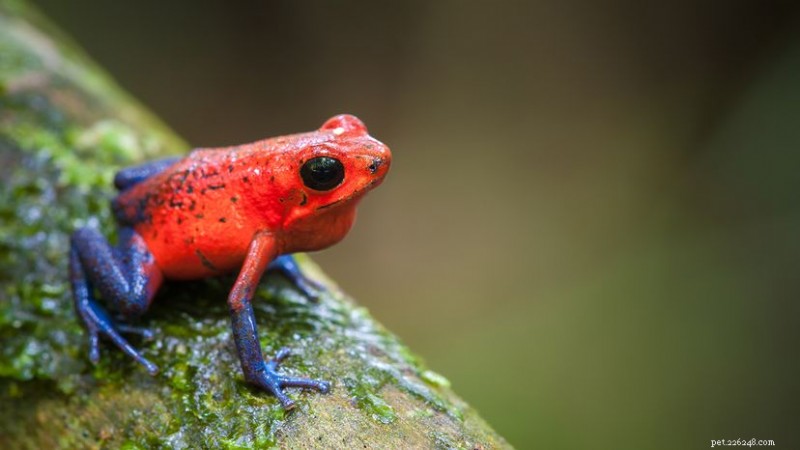
Frogs come in a spectrum of colors—some blend seamlessly into their surroundings, while others look as though a painter’s palette spilled across their bodies. These dazzling amphibians are not just eye‑catchers; their hues serve crucial survival functions, from warning predators of their toxicity to camouflaging in dense foliage.
From the mist‑laden swamps of the Amazon to the subtropical edges of Central America, each species showcases nature’s palette. Below, we spotlight twelve of the most striking and ecologically significant frog species.
1. Green and Black Poison Dart Frog
Native to the rainforests of Colombia, Ecuador, and Peru, the green and black poison dart frog is a textbook example of aposematic coloration. Its bright green body with stark black markings signals to predators that it harbors potent toxins, produced from the ants and insects it consumes. While its skin is toxic, it is generally not lethal to humans when handled with care.
2. Red‑Eyed Tree Frog
The red‑eyed tree frog inhabits the cloud forests of Central America. Its neon green body, blue‑and‑yellow flanks, and vivid red eyes create a striking contrast that can startle predators. Though non‑toxic, the frog employs a startling display of color before leaping to safety. It lays eggs on leaves overhanging water, with tadpoles dropping into the water below.
3. Dyeing Dart Frog
Known for its sharp black and yellow pattern, the dyeing dart frog’s name originates from a local legend about dyeing bird feathers. This species’ bold coloration serves as a visual warning to potential predators, indicating the presence of toxins.
4. Amazon Milk Frog
With a glossy gray dorsal surface and bold black patches, the Amazon milk frog is less toxic than many of its dart frog cousins yet remains a vibrant sight. It thrives in humid rainforest understories, where its coloration blends with the dappled light and wet bark.
5. Golden Poison Frog
Found in the highlands of Colombia, the golden poison frog is one of the world’s most lethal amphibians. Its bright yellow skin hides deadly toxins that can kill a human in minutes if ingested. Scientists study its chemistry for potential medical breakthroughs and to understand natural toxin evolution.
6. Harlequin Poison Frog
The harlequin poison frog showcases a rainbow of color combinations, from bright reds and oranges to deep blues. These Central and South American species live in moist environments but face threats from habitat loss and disease, making conservation efforts critical.
7. Tomato Frog
Native to the swamps of Madagascar, the tomato frog’s round, red‑orange body is both a warning and a defense. When threatened, it inflates its body and secretes a sticky substance to deter predators. Though not as toxic as dart frogs, its bright coloration signals danger.
8. Strawberry Poison Dart Frog
This diminutive species, found in Central America, features a vivid red body and blue legs. It lays eggs on leaves or plant axils, with tadpoles then transported to small bromeliad tanks for development.
9. Blue Poison Dart Frog
Native to Suriname and Brazil, the blue poison dart frog sports electric blue skin with bold black spots, creating a splash of color amid rainforest foliage. Its vivid appearance has made it a favorite among wildlife photographers.
10. Waxy Monkey Tree Frog
<With a muted green hue, the waxy monkey tree frog blends into leafy trees while its waxy skin helps it tolerate drier air. It occupies both humid rainforests and the adjacent dry forests of the Chaco, showcasing ecological versatility.
11. Clown Tree Frog
Originating in northern South America, the clown tree frog’s white body speckled with orange or yellow spots gives it a playful, toy‑like appearance. Its small size and bright colors contribute to insect population control in tropical ecosystems.
12. Splendid Leaf Frog
Also known as Cruziohyla calcarifer, the splendid leaf frog boasts lime green skin, blue limbs, and bright yellow sides. Residing in rainforest canopies, it remains rarely seen but is a focal point of conservation due to its rarity.
These frogs illustrate the remarkable diversity of coloration and ecological adaptation in amphibians. However, many face extinction from habitat destruction, climate change, and disease. Understanding and protecting these species is essential to preserve Earth’s natural artistry.
We crafted this article using AI technology and then had it rigorously fact‑checked and edited by a HowStuffWorks editor.
- When Is a Winter Coat Necessary for Your Dog? A Guide to Safe, Warm Protection
- Can Dogs Taste Arugula? Find Out If This Peppery Green Is Safe and Delicious for Your Pet
- Understanding Boxer Dog Odor: Causes & Solutions
- Essential Guide to Pet Arthritis: Symptoms, Diagnosis, and Care for Cats and Dogs
- 15 Parisian Dogs Living the Luxe Life: From Café de Flore to the Eiffel Tower
- Pyrenean Mastiff: Size, Personality & Care Guide
- Guide to Easing Cat Anxiety: Proven Steps to Help Your Feline Overcome Fears