

Understanding Lymphocystis Virus: Symptoms, Prevention, and Care for Saltwater Aquarium Fish
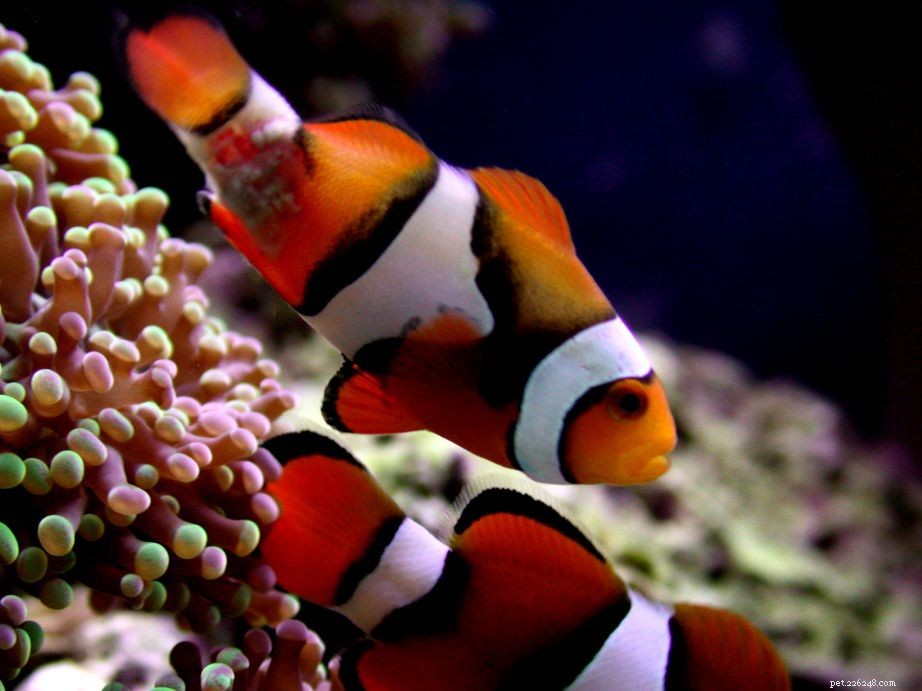
Lymphocystis is a common virus in both saltwater and freshwater fish systems. Caused by a member of the iridoviridae family, this virus can cause light-colored bumps on the surface of the fish's skin. Thankfully, they do not cause serious health symptoms and tend to be self-limiting. Focusing on better health management can often clear most clinical signs.
What Is Lymphocystis?
Lymphocystis is caused by a Lymphocystivirus, a group of large iridoviruses. These viruses are found throughout all aquatic environments and can affect freshwater, brackish, and marine fishes. There are also common iridoviruses that can affect invertebrates and amphibians.
Signs of Lymphocystis in Saltwater Fish
- Raised or slightly raised nodules
- White to grey in coloration, can be pigmented on darker colored skin patches
- Located on on skin and fins
- May be individual spots or coalesce into cluster
The most common sign of lymphocystis is raised, white to grey nodules on the skin and fins. It is often confused for white spot disease, given its similar appearance. These papilloma-like nodules can vary in size and cluster patterns throughout the body of the fish. They are often concentrated on the skin and fins.
Differentials for white, raised nodules on a fish's body include lymphocystis, white spot disease, encysted parasites, and many more. It is critical that a correct diagnosis be made by a qualified aquatic veterinarian prior to pursuing any treatment.
How Is Lymphocystis Diagnosed?
In order to determine the cause of suspicious white to grey lumps on your fish, your aquatic veterinarian will take a skin sample for microscopic evaluation. Depending on the results, they may recommend further testing. Treatment will vary based upon the test results.
In addition to hands-on testing, environmental evaluation, such as water quality testing, may be included in the work up in order to identify any potential stressors. Lymphocystis is often made worse by stressors that may not be obvious to newer hobbyists.
Causes of Lymphocystis
- Infected water
- Improper quarantine
- Asymptomatic carrier
As with many other aquatic viruses, lymphocystis can spread horizontally throughout a system through infected water. Lymphocystis has a latent stage, where a fish may be carrying the virus, but not show any clinical signs. Usually, a secondary stress trigger, such as poor husbandry or water quality issues, trigger the virus to replicate and the fish to start showing clinical signs. Once a fish is carrying lymphocystis, it can potentially spread it to any other fishes in the same system.
Treatment
There is no treatment for lymphocystis in any species or system other than supportive care. It is critical to correctly diagnose the cause of any lumps on your fish and take deliberate steps to decrease any stressors in your tank. Stress impairs immune function in fish and can often lead to a lymphocystis outbreak. Asymptomatic carriers may be present in your system and never show any clinical signs, so identifying a virus-positive fish can be difficult.
The virus is often self-limiting, but may take weeks to resolve with supportive care. Try to be patient and provide good water quality and a proper diet as your fish recovers. You can move them to a quarantine system, but the virus will already have spread around your tank once a fish shows clinical signs.
How to Prevent Lymphocystis
The best method to prevent lymphocystis from entering your system is to thoroughly quarantine all new additions, including invertebrates, for 30 to 60 days. The stress of capture, transport, and introduction to a new system is often enough to trigger a lymphocystis outbreak, if your fish is a carrier. However, given the virus's latency status, quarantine is no guarantee. Asymptomatic carriers can often clear quarantine and go on to infect naïve fish in your tank. Given that this disease is mostly an aesthetic concern, most fish keepers should not worry about this virus too much. Giving proper supportive care will resolve most outbreaks in a few weeks.
Is Lymphocystis Contagious to Humans?
Although there are other iridoviruses that can infect humans, the fish versions are not zoonotic, or cannot spread to humans. There are bacteria, such as mycobacteria, that can transfer to humans, but viruses tend to be less zoonotic.
- Common Diseases in Saltwater Aquarium Fish and How to Prevent Them
- Ultimate Saltwater Fish Compatibility Guide
- Explore Stunning Saltwater Aquarium Fish Photos – A Curated Gallery
- Reef‑Safe Saltwater Fish: A Trusted Guide for Reef Aquarium Owners
- Choosing Compatible Fish for Your Saltwater Aquarium
- Nori: A Nutritious Seaweed Food for Saltwater Aquarium Fish
- Saltwater vs. Freshwater Aquariums: A Comprehensive Comparison