

Tornjak Dog: Heritage, Care, and Training Guide
 In This Article
- Characteristics
- Breed History
- Training and Care
- Health Problems
- Diet and Nutrition
- Where to Adopt or Buy
- Further Research
The Tornjak, also known as the Bosnian-Herzegovinian and Croatian Shepherd Dog, is an ancient shepherd dog breed from Bosnia and Herzegovina and Croatia. It was on the brink of extinction until some dedicated breed fanciers revived it in the 1970s. The breed has been preserved, but the Tornjak is still extremely rare.
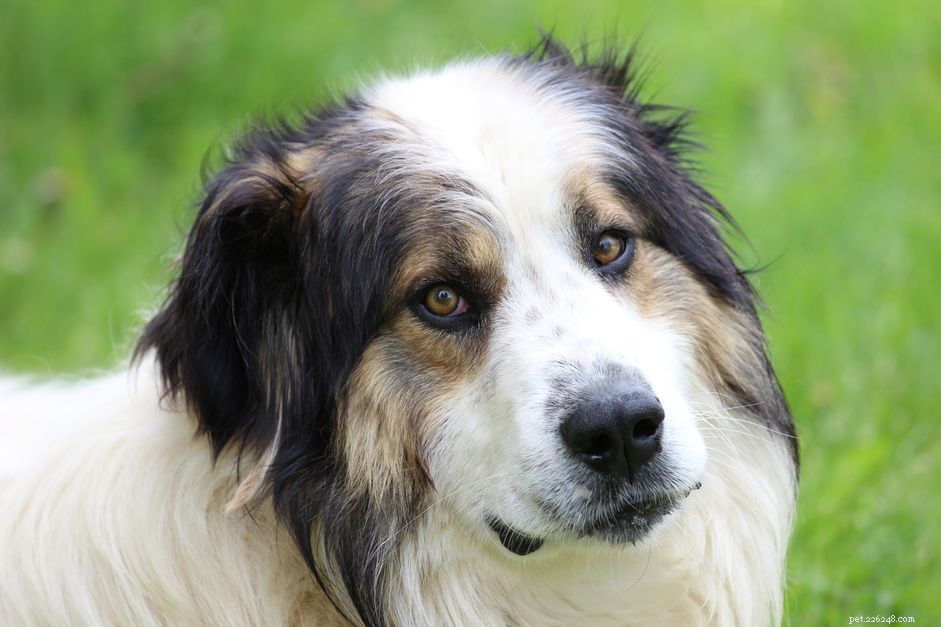
The Tornjak is large and powerful, but well-proportioned and agile, with a deep, broad chest and an almost square body outline. The long, thick coat is usually bi-colored: a ground color of white with markings in black or another solid color. The long tail is abundantly covered in hair, which creates a kind of feathery tail known as plume. The tail hangs low when the dog rests, but raises over its back when the dog moves.
The Tornjak is full of dignity and self-confidence, and has a calm demeanor with a steady disposition. The breed is friendly and extremely devoted to its immediate family and bestows abundant affection upon its special people. The Tornjak is intelligent, extremely easy to train and very obedient. Born to guard, the Tornjak is wary of strangers, especially anyone the dog believes to be threatening. The Tornjak is courageous in the face of danger and will fiercely protect its flock, family, and home against intruders or any threatening person or animal; the Tornjak acts with swift and appropriate aggression when warranted.
The Tornjak is protective of livestock, but the breed can be aggressive with other dogs, especially strange dogs. Some Torkjaks may get along with a family cat, though not all Tornjaks will be able to live with cats peacefully.
Breed Overview
Group: Guardian Dog (UKC)
Weight: 62 to 110 pounds
Height: 23 to 28 inches tall at the shoulder
Coat: Long, thick, coarse and straight double coat
Colors: Parti-colored (white with black or another solid color)
Life Expectancy: 12 to 14 years
Characteristics
History of the Tornjak
The Tornjak, also known as the Bosnian-Herzegovinian and Croatian Shepherd Dog, existed in the mountains and valleys of Bosnia and Herzegovina, and Croatia as far back as 1067. Historical writings from this year mention a “Bosnianherzegovinian-Croatian” dog breed. It is believed that the Tornjak is directly related to the Tibetan Mastiff. The Tornjak watched over flocks of sheep and worked to protect its family and homestead from invaders, whether animal or human.
By the 1970s, the Tornjak breed was on the brink of extinction when it was saved and painstakingly recreated by breeders in Bosnia and Herzegovina and Croatia. By 1978, the Tornjak had been revived and breeding programs continued to preserve the breed. It was accepted by the international Fédération Cynologique Internationale (FCI) in 2017. In the United States, the Tornjak was recognized by the United Kennel Club (UKC) 2011. It is currently part of the American Kennel Club’s Foundation Stock Service, which is a stepping stone toward full recognition. The Tornjak is extremely rare, especially outside Bosnia and Herzegovina and Croatia.
Tornjak Care
The Tornjak’s long double coat is relatively easy to care for. All you'll need to do is keep up weekly brush-outs and occasional baths. You might, however, prefer to brush more frequently if your Tornjak spends a lot of time indoors; the coat sheds a good amount. Trim the nails every other week and clean the ears every few weeks. Check to make sure the ears are not red or foul smelling, which could indicate an infection.
Tornjaks are big, but they only need a moderate amount of exercise and activity. Tornjaks enjoy spending time outdoors exploring, patrolling and keeping a watchful eye on your home, family, and other animals. Tornjaks also like walking, hiking, and swimming. The breed is extremely smart and highly trainable, capable of learning many tasks, and happy to perform them. Tornjaks are naturally suspicious of strangers so provide puppies with lots of socialization early so they grow up to be discerning yet accepting of friendly visitors.
Common Health Problems
The Tornjak is exceptionally healthy and hardy, with few genetic health conditions known to plague the breed. The Tornjak also boasts a typical life span of 12 to 14 years, which is a fairly long life for a large breed. Reputable Tornjak breeders are committed to making the health of their breeding dogs a priority.
Diet and Nutrition
The Tornjak is a large breed; some can weigh 100 pounds or more. However, the Tornjak’s moderate energy requirements mean they may need to eat less than you might think. If your Tornjak is more active, it may need to eat a bit more, but err on the side of "less is more" to avoid overfeeding. Excess weight puts strain on the body and joints, which can contribute to joint problems, such as hip and elbow dysplasia, as well as other health issues, such as diabetes. Ask your breeder or veterinarian to recommend a healthy food for your Tornjak, as well as a recommended feeding amount. Feed measured meals twice a day (morning and evening) rather than free feeding (leaving food out all the time), which will help avoid weight gain.
 Pros
Pros
Highly trainable
Loyal and protective
Effective flock guardian
Very rare/hard to find
Need a lot of socialization
May not get along with other pets
Where to Adopt or Buy
The Tornjak is exceedingly rare, especially in North American. You are not likely to find a Tornjak available for adoption through an animal shelter or rescue group, but you may be able to purchase a puppy from a reputable breed. It’s best to look for a breeder who lives in your own country, though for very rare breeds like the Tornjak, your only option may be import a puppy from one of its home country countries.
More Dog Breeds and Further Research
If you like the Tornjak, you might also like these breeds:
Caucasian Shepherd
Great Pyrenees
Leonberger
Otherwise, check out all of our other dog breed articles to help you find the perfect dog for you and your family.
- Himalayan Cat: Complete Breed Profile & Care Guide
- Peruvian Paso Horse: Breed Overview, Care, and Performance
- Eurasier Dog Profile: History, Care, Health & Adoption Guide
- Ardennes Horse: Heritage, Strength, and Gentle Temperament
- The Drum Horse: A Comprehensive Breed Profile
- Breton Horse Breed Profile: History, Traits, and Care
- Andalusian Horse Profile: History, Traits, and Ownership Guide