

Ask Dr. Jenn: Why Are My Hedgehog’s Spines Falling Out? Causes & Treatment
I recently adopted a hedgehog. He appears healthy, yet the spines along his back are noticeably falling out. What should I do?
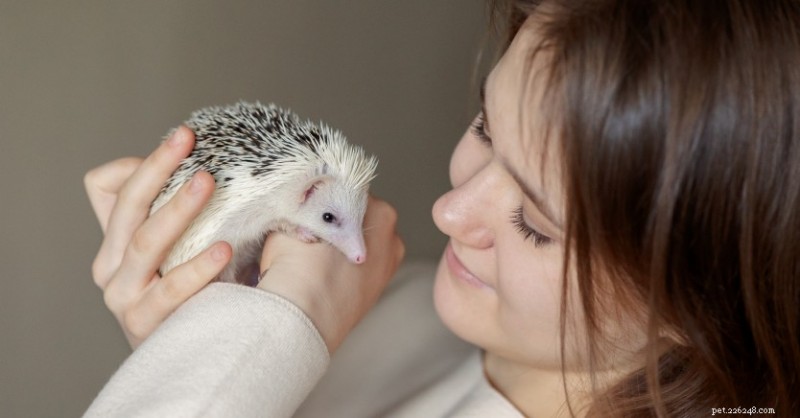
Hedgehogs shed their spines roughly every 18 months, but this process is gradual and occurs one or two spines at a time. When you notice distinct patches, a clear thinning of spines, or more than a few missing spines in a single area, a medical issue is almost certainly at play.
The Most Common Cause: Mite Infestation
In most cases, spine loss is the result of a skin condition. The most frequent culprit is Caparinia tripilis, a mite that normally lives in low numbers on hedgehogs’ skin. When a hedgehog becomes stressed, ill, or poorly housed, the mite population can boom, leading to visible skin damage and spine loss.
Signs of Mites in Hedgehogs
Beyond the missing spines, look for thick, flaky skin. White or brown crusts near the base of the spines and around the eyes often indicate mite fecal matter. Some hedgehogs may become excessively itchy, rubbing or scratching their skin.
Treatment Options
Effective treatment requires a prescription from a qualified veterinarian. Options include:
- A topical parasiticide applied every 30 days.
- An injectable medication administered subcutaneously every 14 days for 3–5 doses.
Because the treatment only kills adult mites on the animal, you must also address potential eggs in the bedding. Replace bedding daily, line the cage bottom with newspaper, and clean thoroughly until the infestation is cleared.
All hedgehogs in the household should receive treatment, even if they appear healthy. Caparinia tripilis does not typically spread to other species or humans, so cross‑species transmission is unlikely.
Scabies (Sarcoptes spp.)
Although less common, hedgehogs can contract scabies, caused by Sarcoptes mites. These mites are not host‑specific and can infect other pets and humans. If you notice itchy bumps or a rash on yourself, consult a vet for your pet and a doctor for any skin irritation.
Other Potential Causes of Spine Loss
Ringworm
Ringworm, a fungal dermatophyte infection, can also cause spines to fall out and skin to become scaly. It often develops secondary to trauma, cuts, or a pre‑existing mite infestation. Treatment options include topical sprays or shampoos, oral antifungals, or a lime sulfur bath. Your veterinarian can recommend the most appropriate therapy.
Ringworm is contagious to other animals and humans. Limit handling, practice strict hygiene, and isolate the affected hedgehog until cleared.
Skin Cancer
Skin tumors can manifest as focal areas of spine loss, sometimes accompanied by a palpable mass. Early detection through veterinary examination is crucial for effective management.
Next Steps: Veterinary Care & Home Precautions
Stress from relocation often precipitates mite outbreaks. Schedule a veterinary visit promptly for an accurate diagnosis and a tailored treatment plan. If a vet appointment is delayed, take these interim measures:
- Remove bedding and thoroughly disinfect toys, food, and water dishes.
- Isolate the hedgehog from other pets.
- Minimize handling; use gloves and wash hands thoroughly afterward.
Once the underlying skin issue is resolved, the hedgehog’s spines will regenerate over time.
Save on Pet Wellness Care with Mint Wellness
Consider Mint Wellness, a pet wellness plan that offers fast reimbursement for routine care—including vaccinations, exams, preventatives, and dental services. Learn More
- Are Bananas Safe for Dogs? A Comprehensive Guide
- Unpacking the Vocal Nature of German Shepherds: Causes and Insights
- Celebrate National Poetry Month with Playful Dog Poems
- Protect Your Pets This Easter: Expert Advice on Avoiding Chocolate and Other Hazards
- Why Dogs Prefer Sitting on Chairs: Understanding Their Comfort and Behavior
- False Dog Pregnancies Explained: Symptoms, Causes, and Care Tips
- Are Onions Safe for Dogs? Risks, Symptoms, and Safer Alternatives