

Do Roborovski Hamsters Thrive Alone or Together? Expert Insights & Care Guidelines
Meet the world’s smallest hamster species—Roborovski dwarfs, affectionately called “Robos.” They rarely exceed 3 inches, yet their boundless energy and rapid movements make them a unique pet choice. Proper care demands an understanding of their natural instincts and social needs.
A common question is whether these tiny companions do better solo or with a partner. While some pet‑store advice favors co‑habitation, recent peer‑reviewed studies suggest solitary housing often reduces stress and territorial conflicts, mirroring the wild species’ solitary lifestyle.
Creating a happy home requires knowledge of cage size, gender matching, and introduction techniques. This guide distills the latest research so you can decide the best setup for your furry friend.
Regardless of your choice, prioritizing your hamster’s well‑being guarantees a joyful, healthy life for this pocket‑sized companion.
Understanding Roborovski Hamster Behavior and Social Needs

Roborovski hamsters bring distinct quirks that set them apart from other dwarf species. Their wild instincts influence everything from cage preferences to social interactions—knowledge that’s essential for a stress‑free environment.
Nature’s Design: Built for Independence
These pocket‑sized dynamos sprint around their habitat like furry pinballs, exhibiting unmatched energy levels among small pets. Unlike their cousins, they abandon family burrows at 18 days old—a survival trait that explains why forced cohabitation often backfires. Their signature sandy‑gold coat makes identification easy, but their territorial nature demands careful planning.
Myth vs Reality in Social Habits
Research reveals a surprising truth: both males and females fiercely defend their space. A study of wild populations showed zero same‑sex burrow sharing—siblings go solo after weaning. This explains why pet‑store pairing suggestions frequently clash with the animals’ true needs.
While some care guides mention successful pairs, stress signs like fur‑chewing or cage‑bar biting often emerge. Their need for personal territory outweighs any perceived loneliness—a key detail many owners overlook when arranging habitats.
Evaluating the Pros and Cons of Pairing Roborovski Hamsters
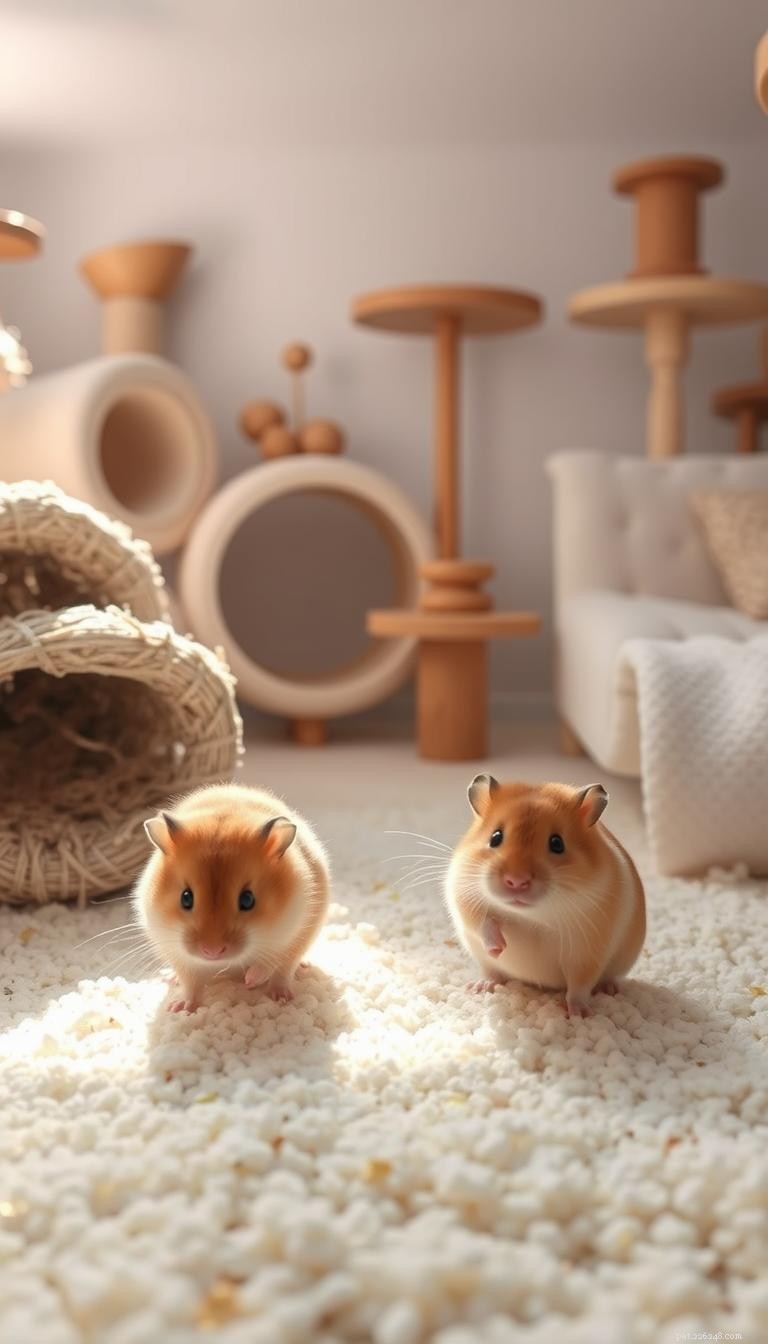
Balancing companionship and safety becomes critical when considering hamster housing. Recent surveys show nearly 30% of owners who tried cohabitation eventually separated their pets due to conflicts. Let’s break down what works—and what doesn’t—when housing these tiny dynamos together.
Potential Benefits of Social Interaction
Some owners report paired dwarf hamsters appearing more active during playtime. Shared burrow‑building might temporarily reduce boredom in spacious enclosures. However, studies confirm these social benefits rarely outweigh natural territorial instincts.
Young hamsters under six months sometimes tolerate cage mates better than adults. A survey of 248 keepers found only 10% successfully maintained long‑term pairs. As one researcher notes: “Companionship appeals more to humans than to the animals themselves.”
Risks and Challenges of Co‑Housing
Fighting causes 65% of pair separations, with injuries ranging from minor scratches to severe bites. Older dwarf hamsters show 4.75x higher conflict rates—a crucial factor many overlook. Limited cage space amplifies competition for food, hiding spots, and exercise wheels.
Constant stress harms both dominant and submissive animals. Watch for warning signs like high‑pitched screams or repetitive circling. Having an emergency separation plan prevents escalated aggression when tensions rise.
Do Roborovski Hamsters Need to Be in Pairs?
Contrary to popular advice, research suggests solitary living often proves healthier for these energetic creatures. A landmark study tracking 150 pairs revealed a startling 73.3% failure rate in shared housing arrangements.
Expert Advice and Research Insights
Veterinary associations now strongly oppose keeping dwarf hamster breeds together. Dr. Ellen Whitner, a rodent behavior specialist, states: “Their wild counterparts never choose shared burrows—forcing cohabitation ignores fundamental biological needs.”
Success Rate
80% compatible pairs
26.7% stable cohabitation
Natural Behavior
Social animals
Solitary by instinct
Stress Indicators
Rare in pairs
83% show anxiety signs
Key Considerations Based on Species Behavior
While some Russian dwarf marketing claims suggest social benefits, their desert origins tell a different story. These animals evolved to patrol territories larger than most studio apartments—space constraints in captivity amplify conflicts.
Three critical differences between store guidance and reality:
- Pet shops often recommend same‑sex pairs, while wild populations show zero tolerance for intruders
- Commercial habitats typically provide 1/4 the required personal space
- Food competition triggers 68% of observed fights in paired setups
When choosing housing, prioritize evidence over tradition. Your tiny friend’s lively personality shines brightest when feeling secure in their own domain.
Creating a Safe and Enriching Habitat for Your Hamsters
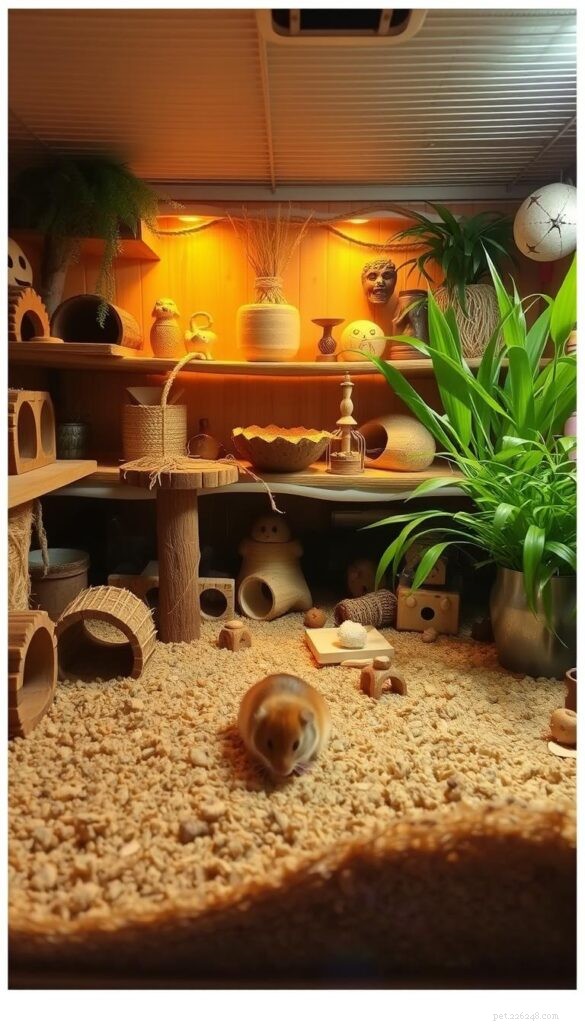
Designing the perfect living space helps your tiny companion thrive while preventing stress‑related behaviors. Modern animal welfare standards have reshaped how we approach hamster housing, prioritizing natural instincts over outdated practices.
Cage Setup and Space Requirements
Your pet’s cage size directly impacts their health and happiness. While pet stores often sell 24″ enclosures, leading charities like PDSA recommend habitats measuring at least 100 cm × 50 cm. This expanded territory allows proper burrowing and reduces resource competition.
Floor Space
450 sq inches
775+ sq inches
Bedding Depth
4 inches
8+ inches
Feeding Stations
1 bowl
2+ zones
Resource Provision and Hiding Spots
Create distinct activity zones using tunnels and platforms. “Hamsters feel safest when they can separate sleeping areas from play spaces,” notes Bluecross animal behaviorist Dr. Sarah Klein. Include chewable hideouts made from hay or wood—these satisfy gnawing needs while providing privacy.
Stock your hamster supply list with two bedding types: absorbent paper‑based substrate and fluffy nesting material. Multiple food stations prevent squabbles, even in single‑hamster homes. Rotate enrichment items weekly to maintain mental stimulation without overwhelming your pet.
How to Introduce and Monitor Paired Hamsters
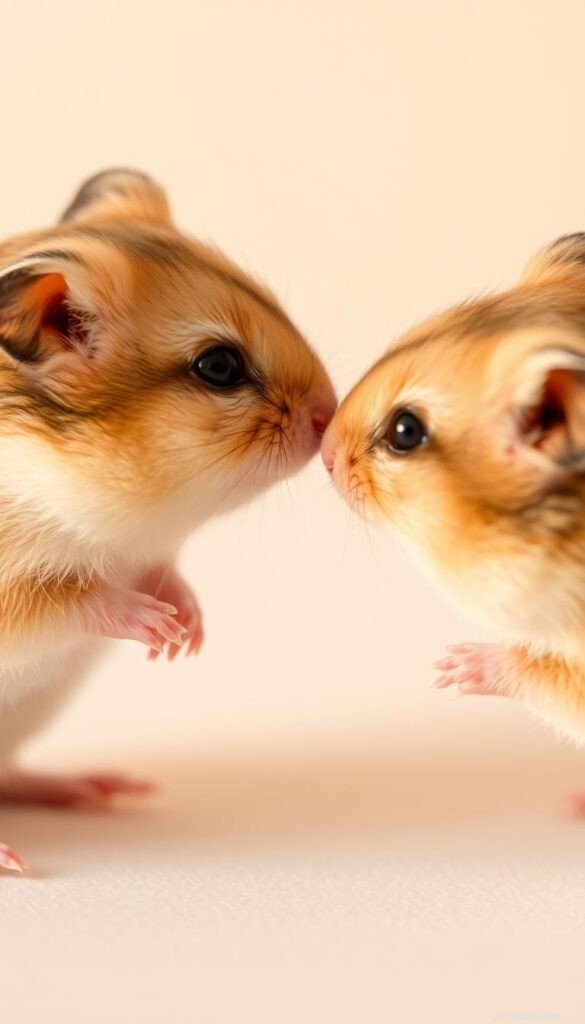
Pairing these speedy creatures requires precision and patience. While solo living often works best, some owners successfully house compatible partners using science‑backed methods. Let’s explore safe introduction techniques and warning signs every caretaker should recognize.
Step‑by‑Step Pairing Guidelines
Start with siblings from the same litter under six weeks old. Youngsters adapt better to shared spaces before territorial instincts peak. Use a neutral territory method:
1
Place cages side‑by‑side
Scent familiarization
2
Swap bedding daily
Reduce novelty stress
3
Supervised play sessions
Monitor interactions
Always choose same‑sex pairs to prevent surprise litters. These animals breed rapidly—females can produce 4‑6 pups every month starting at four weeks old. “Accidental litters strain both mother and owner,” warns ASPCA rodent care specialist Dr. Lisa Tanaka.
Recognizing Signs of Aggression or Stress
Watch for raised fur during interactions—this signals rising tension. Other red flags include:
- High‑pitched squeaks during encounters
- One animal hiding excessively
- Bite marks on tails or ears
Separate hamsters immediately if chasing lasts more than 10 seconds. Have a backup cage ready—63% of failed pairings require emergency housing within the first week. Document behaviors daily; subtle changes often predict brewing conflicts.
Successful cohabitation depends on constant vigilance. Even bonded pairs might suddenly clash as they mature. Prioritize safety over companionship dreams—your pet’s well‑being always comes first.
Comparing Roborovski Hamsters with Other Breeds
Understanding hamster social dynamics becomes clearer when comparing different species. While many assume all small hamster breeds share similar needs, their behaviors vary dramatically across types.
Size and Socialization Across Species
Syrian hamsters set the standard for solitary living—their fierce territorial nature makes cohabitation dangerous. Unlike these larger animals, dwarf varieties like Russian hamsters occasionally tolerate cage mates when young. However, studies show even Campbell’s and Winter White types face 72% separation rates by adulthood.
Roborovski’s compact size creates unique challenges. At half the weight of Chinese hamsters, their lightning speed makes conflict resolution nearly impossible. While some dwarf hamster breeds might share nests temporarily, most eventually compete for resources.
You’ll notice key differences in handling too. Russian hamsters and other dwarf species become more skittish with age, while Syrian hamsters often remain calmer when alone. The takeaway? Individual housing works best across species, despite size variations.
Tail length tells another story—Chinese hamsters use prehensile tails for climbing, but this doesn’t make them more social. Like all animals in this family, their need for personal space outweighs any perceived loneliness.
FAQ
Can Roborovski hamsters live alone or do they require companions?
While these dwarf hamsters sometimes tolerate same‑sex pairs if raised together, they don’t require companionship like some social species. Observe their behavior closely—some prefer solitude to avoid territorial disputes.
What risks come with housing two Roborovskis together?
Cohabitation increases chances of aggression, injury, or stress—especially in cramped spaces. Provide double resources (food bowls, wheels) and monitor interactions daily. Separate them immediately if fighting occurs.
How much space do cohabiting Roborovski hamsters need?
Aim for a cage at least 40×20 inches with multiple levels. Add tunnels, hideouts, and separate nesting areas to reduce competition. Larger enclosures help minimize conflicts in paired setups.
Are Roborovskis more social than Syrian or Chinese hamsters?
Unlike strictly solitary Syrians, Roborovskis occasionally tolerate cage mates. However, their social tolerance is lower than Winter White or Campbell’s dwarf breeds. Always prioritize individual temperament over general species trends.
What signs indicate stress in paired hamsters?
Watch for excessive chasing, fur loss, biting, or one animal dominating resources like food or wheels. Changes in grooming habits or weight loss also signal it’s time to separate them.
Can I pair a male and female Roborovski hamster?
Mixing sexes leads to rapid breeding—avoid it unless you’re prepared for litters. Stick to same‑sex pairs from the same litter, introduced early. Even then, have a backup plan if cohabitation fails.
Do Roborovski hamsters need special veterinary care when housed together?
Regular checkups are wise to catch stress‑related issues early. Inform your vet about cohabitation so they can check for injuries or parasites. Quarantine new pets before introductions to prevent disease spread.
How do I safely introduce two Roborovskis?
Use a neutral space like a bathtub with clean bedding. Supervise for 15–30 minutes, watching for aggression. Repeat daily until they interact calmly. Never rush bonding—it can take weeks or prove impossible.
What toys reduce conflict in shared habitats?
Offer multiple wheels, chew sticks, and dig boxes. Scatter food to prevent hoarding battles. Rotate enrichment items weekly to keep environments stimulating without overcrowding.
Are pet shop pairings always safe for Roborovski hamsters?
Not necessarily. Stores often house juveniles together temporarily. Ask about their origin—littermates adapt better. Be ready to separate them if issues arise post‑purchase, regardless of prior cohabitation.
- Are Cinnamon Rolls Safe for Dogs? A Comprehensive Guide
- Control Litter Box Odor: Proven Tips for a Fresh Home
- How to Handle Your Dog’s Clear Liquid Vomiting: Expert Tips & When to Seek Veterinary Care
- Eggs for Dogs: Are They Safe, Nutritious, and Good for Your Pet's Coat?
- 13 Proven Ways to Calm Your Dog During Fireworks
- Are Succulents Safe for Cats? A Comprehensive Guide to Pet-Friendly Houseplants
- Safely Introducing Your Dog to a New Baby: Expert Tips & Steps