

Do Hamster Balls Double as Pillows? Vet‑Backed Answers and Safety Tips
Do Hamster Balls Double as Pillows?
It’s tempting to imagine a tiny rodent resting its head on a clear sphere, but veterinary research shows that hamsters treat exercise balls as exploratory tools, not bedding. The moments captured in viral photos are often brief pauses of curiosity, not intentional sleeping behavior.
What Science Says
Studies from the American Society of Veterinary Medicine (2023) confirm that hamsters prioritize safety over comfort when choosing a resting spot. Transparent spheres lack the darkness and insulation that natural burrows provide, so they’re rarely selected for sleep.
Why the Misconception Persists
Images of a hamster “cuddling” a ball are usually a short investigative pause—a sniff, a grooming session, or a brief stretch. These actions can be mistaken for comfort‑seeking behavior, especially when the animal is surrounded by the bright, shiny surface of a plastic sphere.
Understanding Your Hamster’s Natural Behaviors
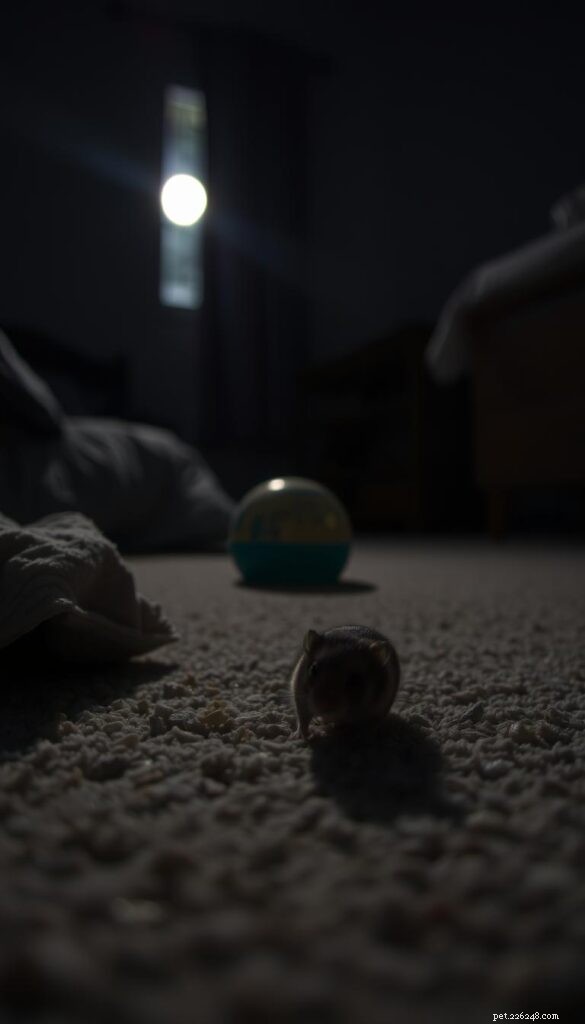
Hamsters are nocturnal; they sleep 12‑14 hours a day in short bursts. Their active periods are at dusk and dawn, when they groom, snack, and explore. Dark corners and enclosed spaces are their preferred rest zones—an instinct inherited from the wild, where exposed areas pose danger.
Night‑Time Activity
When light fades, watch for grooming, foraging, and movement through tunnels. These behaviors reveal their comfort preferences and help you tailor a habitat that meets their needs.
Choosing the Right Exercise Ball

Size is critical. An ill‑fitting ball can cause stress or injury.
| Hamster Type | Minimum Ball Size | Ideal Color |
|---|---|---|
| Syrian | 8 inches | Light pink/white |
| Dwarf | 7 inches | Pastel yellow |
| Roborovski | 5 inches | Translucent |
Safe Use Guidelines
- Begin with 3–5 minute sessions; gradually increase to no more than 15 minutes.
- Watch for stress signs: rapid breathing, excessive chewing, or refusal to exit.
- Choose light‑colored plastic to reduce heat buildup.
- Clean the ball with mild soap and water after each use; remove urine and feces promptly to avoid respiratory irritation.
- Ensure ventilation slots remain open and free of obstructions.
- Never allow a hamster to roam in a ball near stairs, hot surfaces, or other pets.
- Always supervise play and provide fresh water afterward.
Creating a Cozy, Safe Habitat
Provide soft bedding—paper shreds, shredded towels, or commercial rodent bedding—and narrow tunnels for nesting. These materials offer the insulation and darkness hamsters instinctively seek. Avoid placing bedding inside the ball; it restricts movement and airflow.
Key Takeaways
- Hamsters do not use exercise balls as pillows; they use them for exploration.
- Nighttime is their most active period; plan enrichment accordingly.
- Size, ventilation, and cleaning are essential for safe ball use.
- Offer natural nesting materials for genuine rest.
FAQ
Are exercise balls safe for regular use?
Yes, when used correctly. Choose an appropriately sized ball, limit sessions to 15–20 minutes, and keep the ball clean.
Why do hamsters sit still inside their balls?
They may be resting briefly or feeling overwhelmed. Monitor for overheating or stress; return them to their cage if they remain motionless.
Do male and female hamsters differ in ball use?
Behavior varies more by personality than sex. Both sexes enjoy exploration, but watch for territorial or chewing behavior that may signal a poor fit.
Can viral images be misleading?
Absolutely. Many staged photos depict hamsters curled up while still alert. Never leave a hamster unsupervised in a ball—regular breaks are essential.
How to ensure proper ventilation?
Select balls with evenly spaced, wide air holes. Test by holding the ball to a light source; multiple gaps indicate good airflow.
Should bedding be added inside the ball?
No. Bedding restricts movement and airflow; keep the interior smooth and free of obstructions.
- Canine Paw Cancer: Types, Diagnosis, and Early Treatment Options
- Chicken vs. Hen: Key Differences Explained for Farmers and Home Cooks
- Top 6 Trusted Pet Cameras for Watching Your Dog or Cat From Anywhere
- 5 Proven Ways to Keep Your Dog Calm this Halloween
- Riding Horses with a Bitless Bridle: A Proven Guide to Training and Comfort
- Union Lake Veterinary Hospital – Expert Care for Your Pets Since 1974
- Choosing a Dog Walker: Expert Tips for Pet Owners