

Can Hamsters Safely Eat Raisins? Expert Guide to Moderation and Care
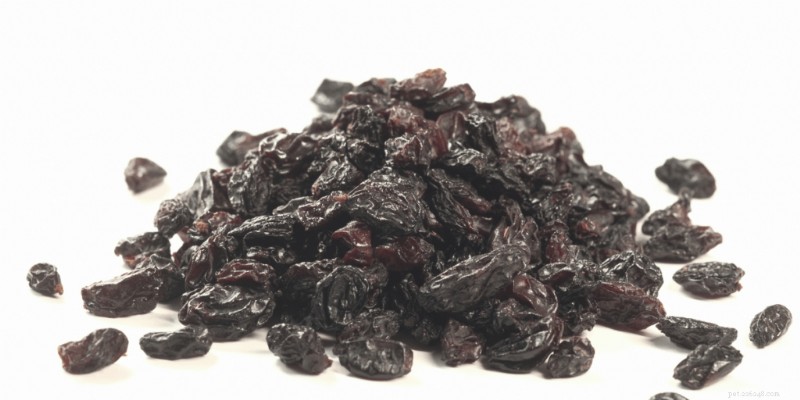
Raisins are popular as a snack for many pets, but they can be problematic for cats and dogs. For hamsters, there are no documented cases of kidney damage caused by raisins, yet the high sugar concentration warrants cautious feeding.
Why Hamsters Are Attracted to Fruit
In the wild, fruit provides a burst of sugars and essential nutrients that are rarely available. Consequently, hamsters instinctively chase and consume fruit when they encounter it. As owners, we must balance their natural cravings with their health needs.
While fruit is a healthy addition, it should never replace a balanced diet. Offer treats in small, infrequent portions.
How Many Raisins Is Safe?
Hamsters are tiny; what seems like a small amount to us can be substantial for them. Raisins have almost all of their water removed, making them a concentrated source of sugars.
Limit intake to roughly half a raisin once a week. Exceeding this amount may lead to digestive upset.
Nutrition Snapshot
A quarter‑cup of raisins delivers:
- Calories: 108
- Protein: 1 g
- Fat: 0 g
- Carbohydrates: 29 g
- Fiber: 1 g
- Sugar: 21 g
Key nutrients include iron, potassium, copper, vitamin B6, and manganese.
Which Hamsters Should Avoid Raisins?
Smaller breeds, such as dwarf hamsters, may struggle with the stickiness and high sugar load. It’s best to keep raisins out of their reach. Larger species can handle small portions, but regular feeding is not recommended.
Preparing Raisins for Your Hamster
Always wash raisins before offering them to remove surface residues. Introduce them slowly—start with a quarter of a raisin and monitor interest.
After a few days, observe stool consistency and behavior. Loose stools, diarrhea, or lethargy indicate intolerance. Once your hamster tolerates small portions, you may offer them occasionally, never whole raisins.
Managing Hoarding Behavior
Hamsters may hide raisins for later consumption. Regularly inspect their burrows for moldy or stale fruit. If a stash builds up, remove excess to prevent overeating and maintain cage hygiene.
Conclusion
Raisins can be a fun treat, but they are high in sugar and low in moisture—conditions that can lead to dehydration and digestive issues. Serve them sparingly, monitor your hamster’s response, and prioritize a balanced diet for optimal health.
- Can Cats Detect Human Cancer? The Science Behind Their Nose
- How to Respond When Your Dog Gets Stung: Quick, Safe, and Effective Care
- How Well Can Dogs Hear High-Pitched Sounds?
- Why Choosing a Rockstar Vet Is Essential for Your Pet’s Health
- Trim Your Dog’s Nails Safely at Home: A Step‑by‑Step Guide
- Spring Produce for Pets: Which Fruits & Vegetables Are Safe for Dogs & Cats
- Is Your Dog Acting Out? Expert Tips to Tame Rebellious Behavior