

Spring Produce for Pets: Which Fruits & Vegetables Are Safe for Dogs & Cats
As the temperatures rise, fresh spring produce is readily available, and many pet owners wonder if these foods can be safely shared with their animals. While certain fruits and vegetables provide essential nutrients and hydration, others can cause digestive upset or even toxicity. Knowing what is safe—and how to serve it—helps you care responsibly.
Safe Spring Fruits for Dogs and Cats
When given in moderation and plain, several spring fruits make healthy treats for dogs and cats.
Strawberries
Strawberries are rich in fiber, antioxidants, and vitamin C. Their natural sweetness is especially appealing to dogs. Wash thoroughly, remove the stem, and cut into bite‑sized pieces to prevent choking. Cats are less likely to show interest, but a small nibble is harmless.
Blueberries
Blueberries remain a low‑calorie, antioxidant‑packed snack that many dogs enjoy frozen. Their tiny size makes portioning easy. Cats can also eat blueberries, though many simply ignore them.
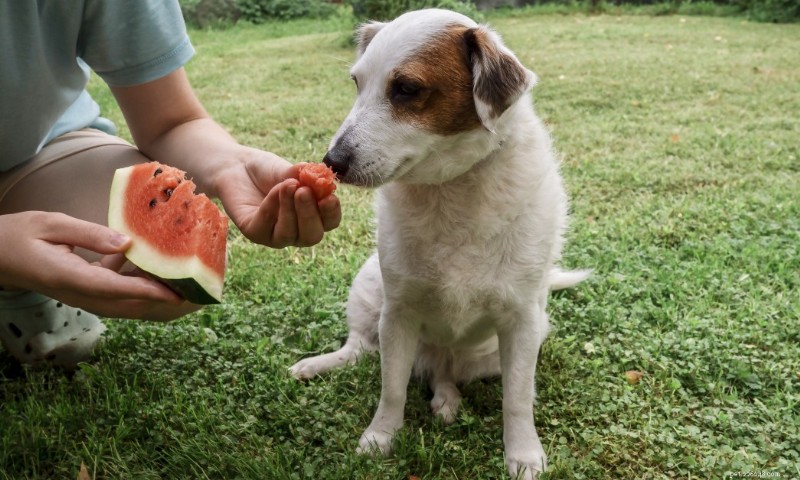
Watermelon
Watermelon offers high water content, aiding hydration on hot days. Always remove seeds and rind before serving. A few small cubes are fine, but remember that even safe fruits can cause loose stool if overfed.
Safe Spring Vegetables for Pets
Certain vegetables can boost your pet’s diet when selected wisely.
Carrots
Carrots are crunchy, low‑calorie, and help reduce plaque buildup, supporting dental health. Raw slices suit larger dogs; smaller pups may prefer steamed pieces. Cats can eat carrots, but they should be cooked first to ease chewing.
Green Peas
Peas, including sugar snap, garden, and snow peas, are commonly found in premium pet foods. Serve plain, without butter, salt, or seasoning. Avoid canned varieties due to added sodium.
Cucumbers
Although botanically a fruit, cucumbers are low in calories and high in water—ideal for overweight dogs craving crunch. A few thin slices suffice.
Produce to Avoid
Some spring items are hazardous and should never be offered.
Grapes & Raisins
Grapes and raisins are toxic to dogs, potentially causing sudden kidney failure. Even a small amount can be dangerous; best to keep them completely out of reach.
Cherries
The flesh of cherries is not highly toxic, but pits, stems, and leaves contain cyanogenic compounds and pose choking hazards. Avoid them entirely.
Onions & Garlic
Onions, garlic, leeks, and chives damage red blood cells in both dogs and cats. They are toxic whether raw or cooked, and repeated exposure can be harmful.
Rhubarb
Rhubarb’s leaves contain oxalates that may harm the kidneys and nervous system. Keep garden rhubarb out of pet reach.
Introducing New Foods Safely
Even safe produce can upset a sensitive stomach if introduced too quickly. Start with a tiny piece, observe for several hours, and then offer more. This approach helps detect intolerance early.
Wash all produce to remove pesticides or dirt. Remove seeds, pits, stems, and tough skins when needed. Avoid any seasoning, salt, oils, or spices, as they can make healthy produce unhealthy for animals.
Treats, including fresh fruits and vegetables, should never replace a balanced diet and should account for no more than 10 % of a pet’s daily caloric intake.
When to Seek Veterinary Care
If your pet ingests a toxic item, contact your veterinarian immediately. Watch for drooling, vomiting, weakness, diarrhea, or unusual behavior—signs that require prompt attention.
Spring produce can be a delightful way to share the season with your pet. With careful selection and preparation, fresh snacks can become part of a healthy lifestyle while keeping your companion safe.
Ready to start saving money on pet wellness care?
Discover Mint Wellness, a pet wellness plan offering fast reimbursement for routine care—including vaccinations, exams, preventatives, and dental services.
- Pet Behavior
- Pet Breeds
- Pet Names
- Pet Adoption
- Pet Training
- Cat Stories
- Pet Health
- Adorable Pets
- Cats
- Japanese Terrier: A Charming, Rare Companion Dog
- 14 Foods That Are Dangerous for Dogs (And What to Avoid)
- Key Red Flags: Early Cancer Warning Signs in Dogs
- Understanding Why Dogs Dislike Yeast: Taste, Smell, and Health Factors
- 6 Proven Ways to Remove Cat Urine Odor & Stains from Leather
- Braque Saint-Germain: Elite French Gun Dog & Loyal Family Companion
- Nebelung Cat Breed: Affectionate, Playful, and Shimmering Blue Coat