

Do Hamsters Need Sunlight? Essential Light Guidelines for Health & Well‑Being
When you welcome a hamster into your home, you’ll likely cover its diet, exercise, and sleep. But have you considered its exposure to light? Hamsters are nocturnal, and their natural habitat relies on a clear day‑night rhythm. In this article we explain why they need sunlight, how to keep them safe from harsh rays, and practical lighting tips for their cages.
Hamsters are highly sensitive to bright light. Direct sunshine can overheat them, irritate their eyes, and disrupt their circadian rhythm. However, they still require a consistent cycle of light and darkness to maintain healthy sleep patterns.
Below we break down the science, practical care steps, and common misconceptions surrounding hamster lighting.
Looking for a cage? Check our top Amazon pick here ↗️
Why Hamsters Need Natural Light
Like all mammals, hamsters use environmental light cues to synchronize their internal clock. Veterinary experts recommend providing a gentle, natural light source to signal day and night, especially because most owners rely on artificial lighting to control their own schedules.
In the wild, a hamster’s burrow receives indirect sunlight at dawn and dusk. Mimicking this pattern in captivity helps regulate feeding, activity, and rest.
Is Direct Sunlight Harmful?
Yes. Bright, direct sunlight can raise cage temperatures to uncomfortable levels, strain a hamster’s eyes, and disturb sleep. Even short periods of intense light may cause stress and health issues.
Many owners mistakenly believe that “basking” in sunlight boosts vitamin D, but the primary benefit is warmth. Hamsters can obtain vitamin D through a balanced diet, so unnecessary sun exposure should be avoided.
Ideal exposure: a few minutes of indirect light just after sunrise or before sunset when the sun’s intensity is lower. This allows your pet to enjoy fresh air without overheating.

Setting Up the Ideal Environment
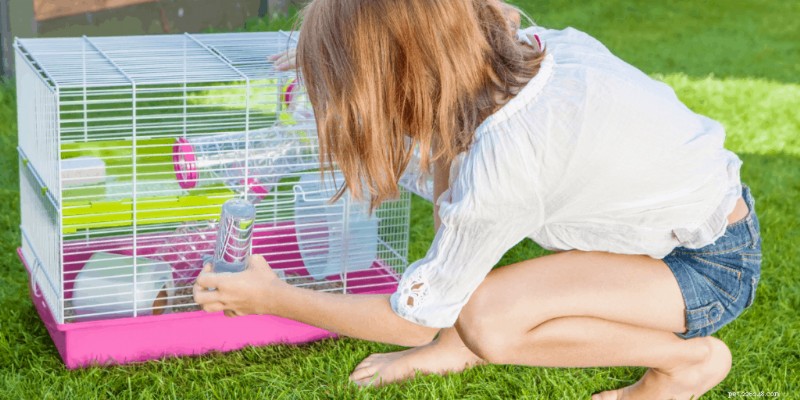
Position the cage in a well‑lit room but keep it out of direct sunlight. A window that receives morning or evening light is ideal. During the day, the hamster will burrow and remain unaffected by the ambient light, while at night the darker environment signals rest.
Consistent lighting is key. Avoid sudden changes in artificial light schedules. If you use lamps or nightlights, keep them dim and turn them on/off at the same times each day to preserve the hamster’s natural rhythm.
Should I Use a Nightlight?
Hamsters have limited night vision; they are adapted to low‑light environments rather than complete darkness. A very dim nightlight can be useful for owners to check on the cage without startling the animal, but it should not mimic daylight. A subtle glow that does not interfere with the day‑night cue is sufficient.
Key Takeaways
- Hamsters rely on natural light to set their circadian rhythm.
- Keep cages out of direct sunlight to prevent overheating and eye strain.
- Provide a gentle, consistent light cycle—natural light is preferred, but dim artificial lights are acceptable if routine is maintained.
- A minimal, low‑intensity nightlight is optional and should not confuse the hamster’s day‑night cues.
By following these guidelines, you’ll support your hamster’s overall health and ensure a happy, active pet.
- Max, a Gentle Doberman, Finds a Loving Home – Success Story
- Siberian Cats: Judges, Owners, and the Breed’s Allure
- Mastering Leopard Gecko Breeding: Tips for Success
- Boost Your Dog's Focus: 5 Proven Techniques for Better Impulse Control
- Cat Heartworm Disease: Causes, Symptoms, and Treatment Costs Explained
- Master the Art of Petting a Cat: Expert Tips for Care and Bonding
- Expert-Approved Homemade Dog Food Recipes for Optimal Health