

Tail Slip in Gerbils: Causes, Symptoms, and Prevention
Gerbil owners often reach out when they notice changes in their pet’s tail. The small, playful nature of gerbils makes gentle handling essential, yet many owners inadvertently trigger a common injury known as tail slip.
Tail slip is not a natural aging process; it is usually the result of repeated or forceful gripping by the tail, especially when owners or children grasp the animal too firmly. This accidental overstretch triggers the gerbil’s natural defense mechanism, causing the tail to separate from the body.
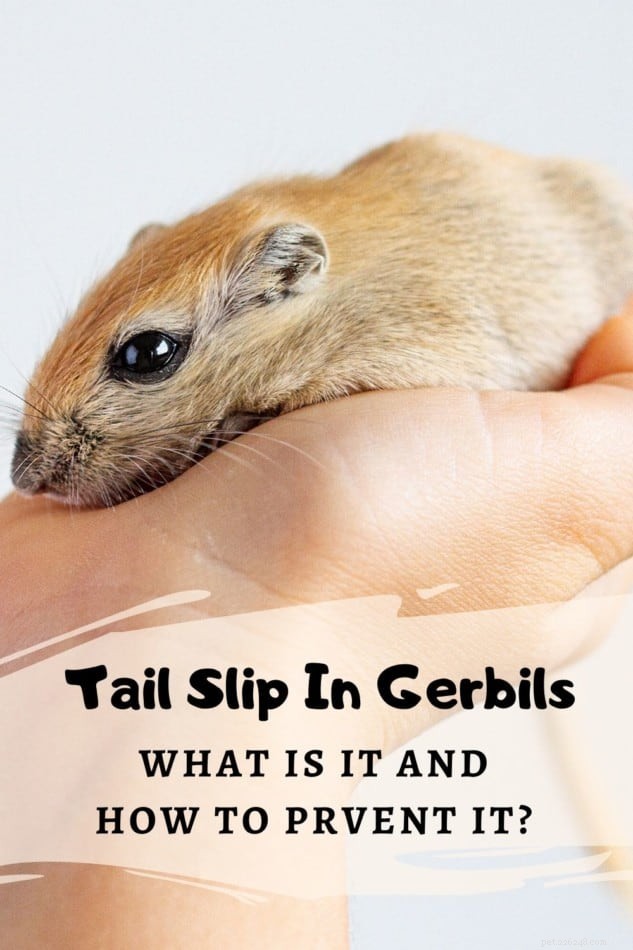
Why Does Tail Slip Occur?
In the wild, gerbils use their tails to escape predators by slipping away when grabbed. Unfortunately, the same mechanism is activated when we, as caretakers, hold the animal by the tail. The result is a painful, self‑destructing injury that often requires veterinary intervention.
If you notice any signs of injury, seek a vet’s advice immediately. A small pet insurance plan can cover unexpected treatments, often costing hundreds of dollars for even minor procedures.
For more details on pet insurance, click here for more information >> Pet Insurance
What Causes a Tail Slip?
In rare cases, a tail slip can occur spontaneously. The vast majority, however, stem from improper handling—holding the gerbil by the tail, either too often or with too much force. Avoid this habit entirely; if you must, do so briefly and gently.
Tail Slip Symptoms
Spotting tail slip early is crucial. Common indicators include:
- Fur loss in the tail area.
- Skin degradation or exposure of underlying tissue.
- Visible rot or necrosis that may require amputation.
Behavioral changes are rare and usually appear only in advanced cases.
Treating the Gerbil Tail Slip
The most effective treatment is surgical removal of the damaged portion of the tail. In severe instances, this may involve amputating the entire tail. While the tail may fall off naturally over time, this can lead to complications. Prompt veterinary care maximizes the chances of preserving the tail and preventing infection.
Never attempt medical procedures on your pet without professional guidance.
Prevention
Preventing tail slip starts with gentle handling. Refrain from gripping the tail, especially around children. Consistent, respectful handling eliminates the need for costly surgeries and preserves your gerbil’s quality of life.
Life After a Tail Slip
Following surgery, monitor the gerbil closely. It may feel weak for a few days and may require hand‑feeding and extra comfort. Most gerbils recover fully within a week.
Remember: avoid tail‑gripping, and keep your gerbil safe and healthy.
Conclusion
Tail slip is a preventable condition primarily caused by improper handling. Recognize the symptoms early, seek veterinary care promptly, and adopt gentle handling practices to keep your gerbil happy and healthy.
- Ragdoll Cats: Traits, History, and Personality Insights
- Explore 3 Exotic Pets: Skunk, Tarantula & Hedgehog – Your Guide to Responsible Ownership
- 15 Essential Corgi Facts Every Owner Should Know
- Why Do Cats Bite? Understanding and Resolving Cat Biting Behavior
- Mastering Snake Hunting: Lessons from Romulus Whitaker
- Mastering Eye Contact: The Key to Effective Dog Training and Stronger Bond
- Optimal Diets for Dwarf Hamsters: Chinese, Russian, and Roborovski Feeding Guide