

Guinea Pig Teeth: How Many, Why They Grow, and How to Keep Them Healthy
Your guinea pig’s smile hides a remarkable dental system. These small pets possess only 20 specialized teeth—significantly fewer than humans—yet they work continuously to chew fibrous plant material. The arrangement consists of four front incisors, four premolars, and twelve molars, all engineered to grind tough vegetation efficiently.
Their teeth grow continuously. If left unchecked, they can extend nearly three inches each year. Continuous growth necessitates regular wear, achieved by chewing hay and crunchy vegetables.
Veterinarians describe these teeth as aradicular hypsodont—root‑less structures that grow indefinitely. This adaptation suits their herbivorous diet but requires vigilant monitoring, as dental problems rank among the most common health concerns for guinea pigs.
Understanding your pet’s oral anatomy helps prevent problems before they arise. Regular check‑ups and appropriate chew toys keep those ever‑growing teeth in check, ensuring your companion stays happy and healthy for years to come.
Understanding Guinea Pig Dental Anatomy
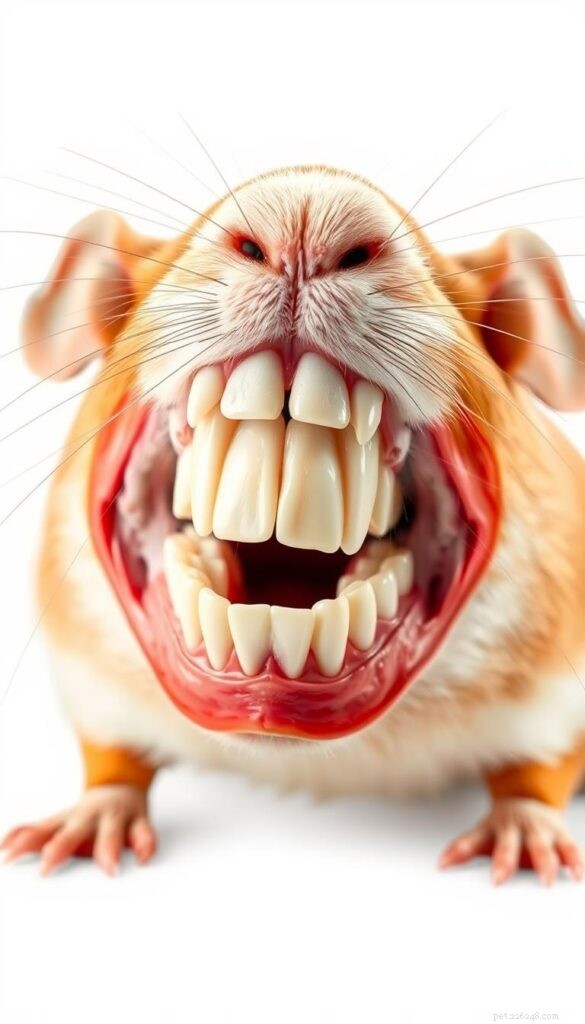
Your furry friend’s chompers form a precision‑engineered system for processing plants. Let’s explore what makes their dental setup both efficient and unique.
Three Types of Specialized Chompers
Front incisors act like nature’s pruning shears, slicing through celery stalks and hay stems effortlessly. Premolars behind them create a fiber‑shredding station, while molars at the back pulverize vegetation into digestible bits.
| Tooth Type | Count | Primary Function | Location |
|---|---|---|---|
| Incisors | 4 | Cutting food | Front of mouth |
| Premolars | 4 | Shredding fibers | Mid‑mouth |
| Molars | 12 | Grinding material | Back of jaw |
Nature’s Plant‑Processing Design
Notice the empty space where fangs would be? That diastema gap allows cheek flexibility for moving food to grinding surfaces. Their teeth form a self‑sharpening system—upper and lower surfaces wear against each other during chewing.
“The guinea pig’s dental architecture perfectly mirrors its herbivorous needs – every tooth serves a specific purpose in breaking down tough plant matter.”
This specialized setup explains why fibrous hay should make up 80% of their diet. Without proper wear from constant chewing, those ever‑growing molars could cause serious health issues.
How Many Teeth Do Guinea Pigs Have?
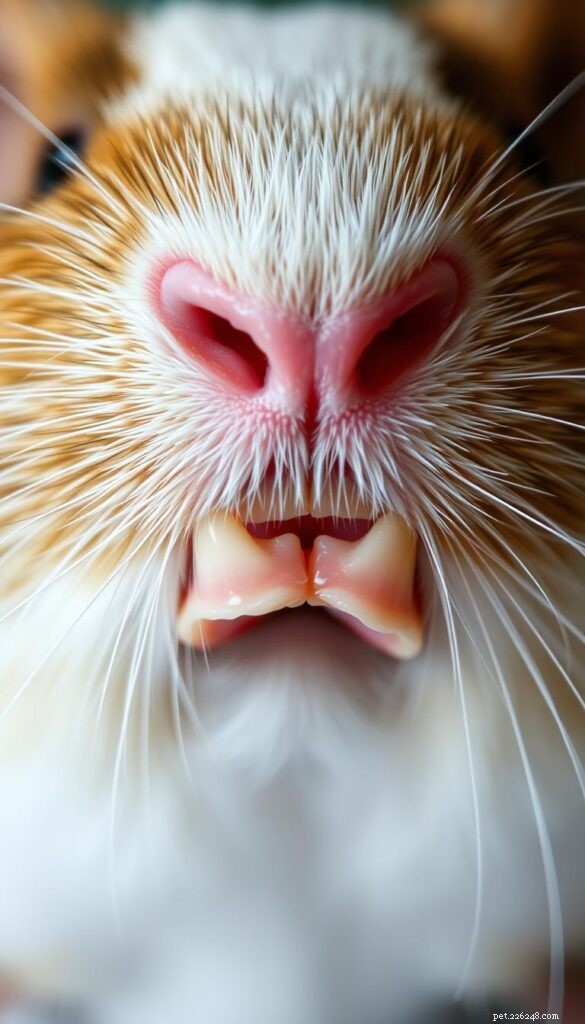
Peering into your pet’s mouth reveals an evolutionary marvel. Their dental structure combines precision and perpetual renewal, with 20 specialized chompers working in perfect harmony. Let’s explore what makes this system both fascinating and functional.
Tooth Distribution Mastery
Four razor‑sharp incisors act as nature’s pruning shears up front. Behind them, four premolars create a fiber‑shredding station. The real workhorses are twelve molars at the back—these flat surfaces grind vegetation into digestible pulp. This arrangement allows efficient processing of fibrous foods from first bite to final swallow.
Nature’s Self‑Renewing System
What truly astonishes veterinarians is the growth rate. Each tooth extends about 2 millimeters weekly—enough to reach nearly three inches annually if unchecked. This continuous renewal process creates self‑sharpening edges through natural wear.
Healthy incisors measure roughly 0.6 inches, maintained by constant chewing. The scientific term aradicular hypsodont explains this design—teeth with open roots and endless growth potential. Without proper hay consumption, this delicate balance collapses rapidly.
“Their dental system resembles a precision clock – every component must work in sync, or the entire mechanism fails.”
Regular monitoring becomes crucial. Watch for overgrown front teeth or difficulty eating – early signs of trouble. Providing unlimited timothy hay helps maintain nature’s perfect grinding cycle.
Common Dental Problems in Guinea Pigs
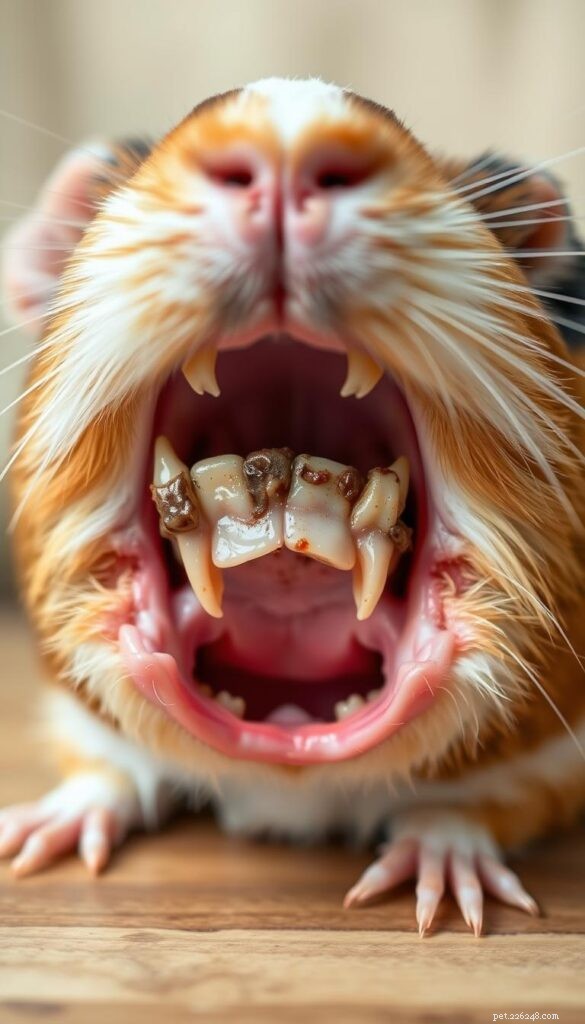
Your pet’s dental health acts as a window to their overall well‑being. While their specialized teeth work tirelessly, several conditions can disrupt this delicate system.
Overgrown Teeth, Malocclusion, and Other Issues
Overgrown chompers top the list of dental troubles. Without enough fibrous food, teeth extend like unpruned branches, causing mouth sores and abscesses. Misaligned teeth (malocclusion) often follow, creating uneven wear patterns that worsen weekly.
Fractures and tooth loss frequently occur when brittle teeth meet hard cage bars or poor‑quality pellets. One study found 60% of dental issues stem from improper diets lacking hay and vitamin C.
Identifying Signs of Dental Pain and Infection
Watch for subtle clues such as half‑eaten veggies or sudden disinterest in crunchy treats. Excessive drooling or food dropping signals discomfort during chewing. Weight loss often follows as meals become painful chores.
Advanced cases show visible changes. Swollen cheeks, crusty nostrils, or bloody saliva demand immediate vet care. Remember: prey animals mask pain instinctively. Regular weight checks and stool monitoring help catch hidden problems early.
“A guinea pig with dental disease is like a clock missing gears – the whole system grinds to a halt without prompt intervention.”
Tips for Maintaining Healthy Guinea Pig Teeth

Your fluffy pal’s dental wellness starts with smart daily choices. Proper nutrition and environmental enrichment work together to maintain that perfect gnaw‑and‑grind rhythm.
Fueling the Grinding Machine
Timothy hay forms the foundation of oral health, making up 70‑85% of meals. Its coarse strands scrub teeth naturally during chewing sessions. Mix in orchard or oat hay varieties to spark interest and increase fiber intake.
Leafy greens like kale and bell peppers deliver double benefits. They provide essential vitamin C for strong enamel while requiring extra chewing effort. Limit pellets to 1‑2 tablespoons daily – overfeeding reduces crucial hay consumption.
Creating a Tooth‑Friendly Habitat
Strategic accessories promote healthy wear patterns. Untreated wooden chews and hay‑filled toys encourage natural gnawing behaviors. Avoid hard objects like mineral blocks that risk tooth fractures.
| Safe Choices | Potential Hazards |
|---|---|
| Apple wood sticks | Nuts/seeds |
| Willow balls | Sweet fruits |
| Cardboard tunnels | Hard plastic toys |
“Consistency is key – a steady supply of roughage keeps those ever‑growing teeth properly filed down.”
Monitor eating habits weekly. Sudden preference for soft foods or messy chewing could signal dental discomfort. Pair these practices with annual vet check‑ups for complete oral care.
How to Check and Monitor Your Guinea Pig’s Oral Health
Regular oral inspections help catch issues before they escalate. A quick weekly routine ensures your pet’s dental maintenance stays on track while strengthening your bond through gentle handling.
At‑Home Dental Inspection Routine
Sanitize your hands first. Enlist a helper to cradle your furry friend securely. Gently lift their lips to examine front incisors – they should align neatly without sharp edges. Check for broken teeth or red gums around the mouth area.
Monitor chewing patterns during meals. Uneaten pellets or half‑munched veggies often signal discomfort. Keep a log of weight fluctuations – sudden drops might indicate hidden dental trouble.
Professional Care Indicators
Schedule vet visits immediately if you spot crooked front teeth or hear unusual clicking sounds. Professionals recommend annual check‑ups for preventive care. Emergency signs include drooling, swollen jaws, or refusal to eat hard foods.
Pro tip: Pair home checks with quarterly vet assessments for comprehensive care. Early detection of overgrown molars or mouth sores prevents complex treatments later. Your vigilance keeps those essential grinders functioning optimally.
FAQ
What’s unique about a guinea pig’s dental structure?
They have 20 teeth total—four sharp incisors at the front for cutting food and 16 flat premolars and molars at the back for grinding. Unlike humans, their teeth grow nonstop throughout their lives, requiring constant wear through chewing.
Why do their teeth never stop growing?
Continuous growth compensates for the natural wear from their high‑fiber diet. Without proper chewing (like unlimited timothy hay), teeth can become overgrown, leading to pain, infections, or difficulty eating.
How can you spot dental problems early?
Watch for signs like drooling, weight loss, or reluctance to eat. Overgrown teeth or misalignment (malocclusion) may cause abscesses or mouth injuries. Regularly check for uneven wear or swelling around the jaw.
What foods keep their teeth healthy?
Timothy hay is essential—it’s abrasive enough to grind teeth naturally. Pair it with fresh veggies rich in vitamin C (like bell peppers) and avoid sugary treats. Crunchy pellets also help maintain dental balance.
How often should you check their mouth at home?
Gently inspect their teeth weekly for length or alignment issues. If you notice sharp edges, discoloration, or bleeding, contact an exotic vet immediately. Annual vet check‑ups can catch hidden problems early.
Can diet alone prevent dental issues?
While a hay‑focused diet is critical, some pigs still develop genetic or age‑related problems. Combine proper nutrition with routine vet care and safe chew toys to support long‑term oral health.
- Holistic Heartworm Care: Proven Prevention & Treatment for Your Dog
- Bolognese (Bolos) Dog Breed Profile: Traits, Care & Adoption Guide
- Understanding Canine Lymphoma: Early Symptoms, Diagnosis, and Treatment Options
- Scottish Fold Cats: History, Appeal, and Ethical Concerns
- Is Your Dog’s Upset Stomach a Minor Issue or a Serious Health Concern?
- Why Keeping Dogs Outside Is Harmful: The Importance of Indoor Time
- Borador Dogs: Traits, Temperament, and Care Guide