

Can Guinea Pigs Drink From a Bowl? A Veterinarian‑Backed Guide to Hydration Choices
Ensuring your guinea pig has constant access to fresh water is crucial for its health. Many owners rely on water bottles, but some ask whether a shallow dish provides a more natural drinking experience. This guide evaluates both options, offering evidence‑based recommendations so you can choose the best solution for your pet.
Rodents often prefer lapping from ground‑level sources in the wild. A stable ceramic bowl can mimic this instinct while reducing neck strain. However, bottles prevent bedding from contaminating the water supply. Both methods have pros and cons worth considering.
You’ll discover how other owners balance cleanliness with their pet’s comfort preferences. Some use both systems simultaneously, letting animals choose their favorite hydration style. We’ll share tips for transitioning between methods smoothly if needed.
Proper setup makes all the difference. Heavy containers prevent tipping, while daily cleaning stops bacterial growth. By understanding your pet’s behavior and habitat setup, you can create a hydration station that keeps them happy and hydrated.
Understanding Guinea Pig Drinking Habits
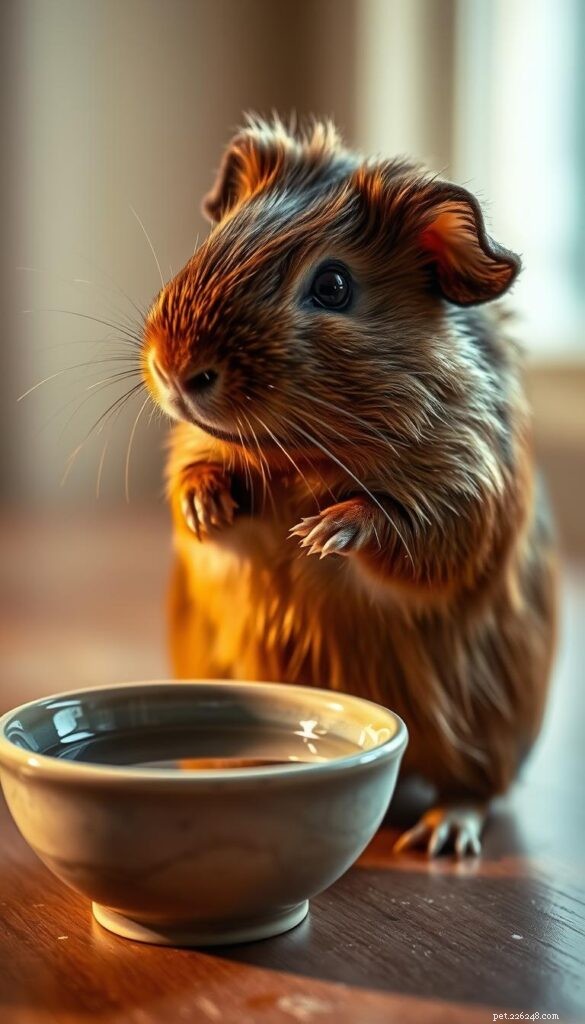
Observing how small pets hydrate reveals surprising instincts. Wild cavies evolved to sip from ground‑level sources like puddles and dew‑covered leaves. This natural inclination explains why many pet guinea pigs prefer bowls over bottles when first introduced to both options.
Evolutionary Roots of Hydration
In their native South American habitats, these animals rarely encounter vertical water sources. Their flattened muzzles and horizontal spine alignment make lapping from shallow pools more efficient. Domesticated piggies often retain this biological preference, though some adapt to bottle systems.
Home Habitat Observations
Your pet’s cage setup significantly impacts drinking behavior. Watch for these signs during hydration:
| Wild Behavior | Domestic Adaptation |
|---|---|
| Drinking while standing on all fours | Tipping bottles with front paws |
| Lapping 3-5 times per session | Repeated “chewing” of bottle nozzles |
| Natural head‑down position | Neck strain from angled drinking |
Hydration method choices directly affect a cavy’s comfort and dental health. Always prioritize their physical ease over human convenience.
Notice bubbles rising in bottles? That’s your piggy successfully accessing water through coordinated tongue movements. Younger animals typically master this faster than seniors. Track daily consumption to ensure adequate intake regardless of the method used.
Can Guinea Pigs Drink Out Of A Bowl?
Hydration choices significantly impact your pet’s well‑being. Many small animals thrive with ground‑level water bowls, as their natural instincts guide them to lap rather than sip vertically. If you’ve only used bottles before, you might be surprised how quickly your furry friend adapts to this simpler method.
Using a bowl often leads to better hydration habits. Older or arthritic guinea pigs particularly benefit since they don’t need to crane their necks. One owner shared:
“My senior pet doubled her water intake within days of switching – she finally drank comfortably!”
Consider these advantages when making the change:
- Reduced physical effort compared to bottle nozzles
- Natural head position supporting spinal alignment
- Easier monitoring of daily consumption levels
While younger animals might initially play with their bowl, most settle into consistent drinking patterns. Place the container away from bedding to minimize messes. Heavy ceramic designs work best – they’re harder to tip and stay cleaner longer.
Urinary health often improves with increased water access. Veterinarians frequently recommend bowls for guinea pigs prone to bladder stones, as frequent hydration helps flush their systems. Track your pet’s adaptation over 1‑2 weeks, offering both bottle and bowl initially if needed.
Advantages of Using a Water Bowl
Choosing the right hydration method enhances your pet’s health and happiness. Ground‑level access aligns with natural behaviors while simplifying your care routine. Let’s explore why many owners find bowls superior to traditional systems.
More Natural Drinking Experience
Shallow containers mirror wild hydration patterns better than vertical dispensers. Your furry friend maintains proper posture while lapping, reducing joint stress. Studies show small animals consume 20% more water daily when using ground‑level sources.
“Bowl drinkers support dental health by encouraging natural tongue movement,” notes veterinarian Dr. Emily Sanders.
Ease of Cleaning and Maintenance
Compare maintenance efforts between systems:
| Bottle Cleaning Challenges | Bowl Cleaning Benefits |
|---|---|
| Narrow necks trap biofilm | Wide surfaces scrub easily |
| Metal parts rust over time | Ceramic resists stains |
| Daily disassembly required | 30‑second wipe cleans most bowls |
You’ll spend less time scrubbing and more time bonding with your pet. Non‑porous materials stay germ‑free between washes, ensuring clean water stays fresh all day. Nighttime noise drops significantly too – no more metallic clanking during late‑night hydration breaks.
Elderly or disabled animals particularly benefit from stress‑free access. The relaxed drinking position helps those with mobility issues stay hydrated without strain. Monitor consumption easily through visible water levels, letting you spot health changes faster.
Disadvantages of Using a Water Bowl
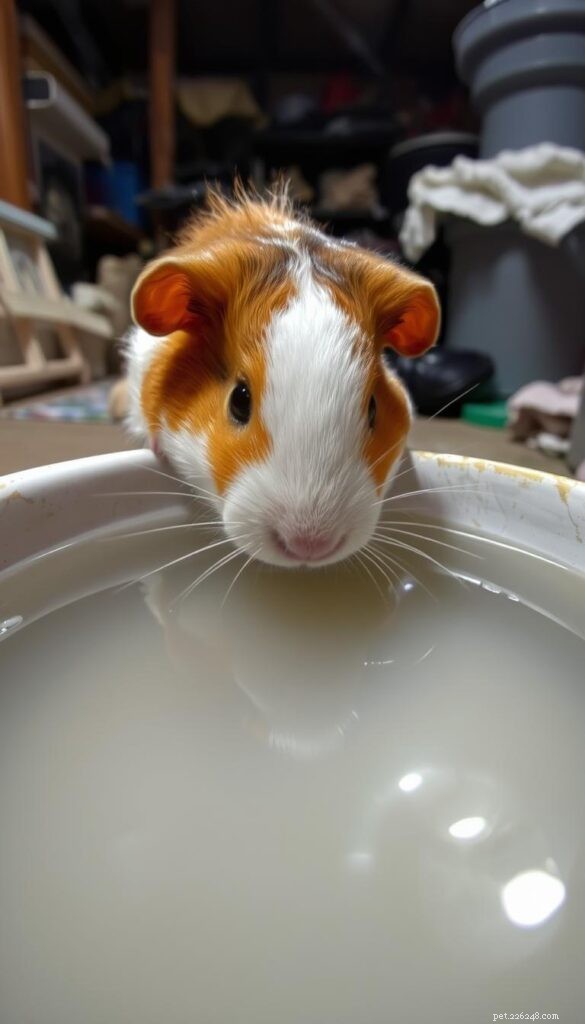
While bowls offer natural drinking positions, they bring unique challenges to cage maintenance. Active pets often turn hydration stations into splash zones, requiring extra vigilance from owners.
Messiness and Risk of Spillage
Your furry friend’s playful nature creates constant cleanup work. Zoomies around their space send bedding and hay flying into open containers. Front paws dipped in pee or poop often leave traces in the drinking supply.
Lightweight containers become aquatic toys during energetic moments. One owner reported:
“My pair flipped their dish three times a day until I switched to a 2‑pound ceramic model.”
Potential Hygiene Challenges
Food debris and waste transform standing water into bacterial breeding grounds. Strategic placement helps but can’t prevent all contamination. High‑traffic areas near hideouts or feeding zones see the worst pollution.
Consider these maintenance realities:
- Daily scrubbing becomes essential to remove organic buildup
- Damp cage corners develop odors without prompt drying
- Multiple water changes maintain freshness during hot days
Busy schedules complicate this routine. Automatic dispensers help but can’t replace manual checks. Balancing cleanliness with your pet’s preferences remains key to successful bowl use.
Transitioning from Water Bottles to Bowls
Switching hydration methods requires patience and smart strategies. Many small pets initially hesitate to abandon familiar water bottles, but gradual changes help them adapt comfortably. Start by placing both systems in their cage for 1‑2 weeks – this reduces stress while encouraging exploration.
Gradual Introduction Techniques
Position the existing bottle directly above the new water bowl. This clever placement helps animals associate the bowl with hydration while reaching for their usual source. Try these timed adjustments:
- Remove bottles temporarily during meals when thirst peaks
- Return containers after 30 minutes to prevent dehydration
- Increase bottle‑free periods by 15 minutes daily
Using Behavioral Cues and Treats
Make the bowl irresistible with these engagement tricks:
| Attraction Method | Effectiveness Tip |
|---|---|
| Float cilantro or cucumber in water | Change treats daily to maintain interest |
| Dip finger in bowl and offer droplets | Use clean hands to prevent contamination |
“My pair learned faster when I tapped the bowl’s edge during their snack time – now they drink while munching!”
For stubborn cases, add a drop of unsweetened cranberry juice to the water bowl instead of plain liquid. Always monitor consumption and put bottle back if intake drops significantly. Most animals fully transition within 3 weeks using these positive reinforcement methods.
Tips for Maintaining a Clean Water Bowl Environment
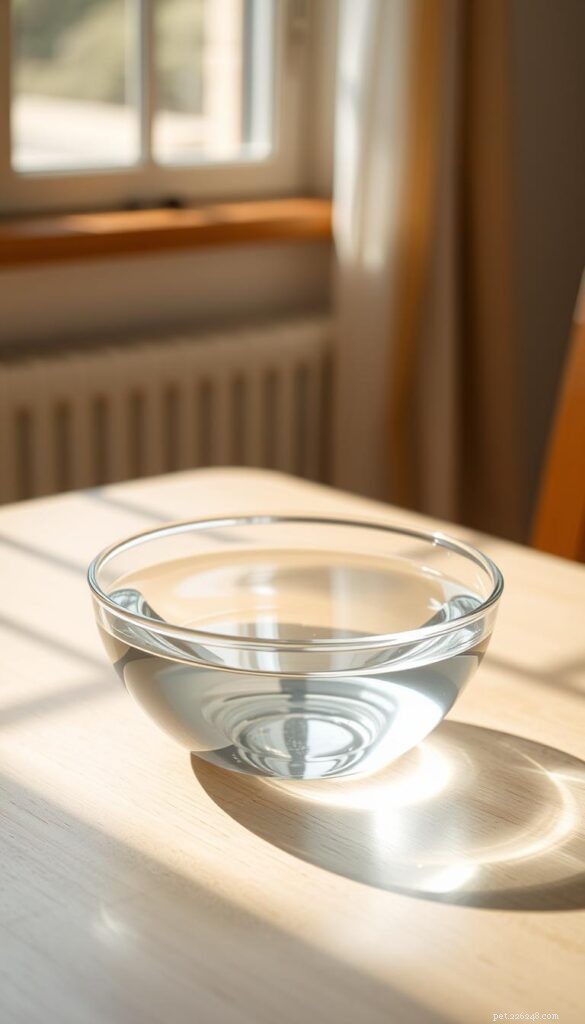
Keeping your pet’s hydration station spotless requires smart strategies. Start by placing two sturdy water bowls in different zones of their cage. This backup system ensures constant access to fresh liquid even if one gets dirty.
Establishing a Regular Cleaning Routine
Create a three‑step daily schedule:
- Morning: Empty, scrub, and refill both containers
- Afternoon: Check for debris and change water if cloudy
- Evening: Disinfect with vinegar solution and rinse thoroughly
One owner shares their success:
“Rotating three ceramic bowls lets me always have a clean one ready – no more frantic scrubbing during busy days!”
| Problem Area | Prevention Tip |
|---|---|
| Food contamination | Keep 6 inches from hay racks |
| Bedding in water | Use raised platform with edges |
Make sure to check containers at least three times a day. Heavy traffic zones near hideouts often need extra attention. Pair your cleaning efforts with these placement tricks:
- Position bowls on flat, stable surfaces
- Avoid corners where waste accumulates
- Use non‑slip mats underneath
Ceramic models simplify maintenance – their smooth surfaces resist stains better than plastic. Always change water completely during each refresh, never just top it off. With consistent care, your furry friend will enjoy safe hydration all day long.
Final Reflections on the Bowl Feeding Approach
Finding the best hydration solution depends on your pet’s unique needs. Both water bowls and water bottles work well when maintained properly. Some piggies thrive with ground‑level access, while others adapt better to vertical dispensers.
Observe your furry friend’s behavior closely. Younger animals often enjoy splashing in dishes, while seniors usually appreciate easier drinking positions. One owner noted: “My pair uses their bowl for daytime sips but still nudges the bottle at night – they’ve created their own system!”
Rotate cleaning routines between containers if you use both methods. Heavy ceramic dishes stay stable during playtime, and leak‑proof bottles prevent bedding contamination. Always prioritize fresh water availability over sticking to one approach.
Remember – there’s no universal answer. What matters most is ensuring your guinea pigs stay happily hydrated. Whether they may prefer lapping or sipping, consistent monitoring ensures their health comes first.
FAQ
Is a water bowl safe for guinea pigs?
Yes! Many piggies use bowls successfully. Opt for heavy ceramic or stainless steel designs to prevent tipping. Clean it daily to avoid contamination from bedding, hay, or accidental pee/poop.
Will my pet spill a water bowl?
Spills can happen, especially with playful or curious guinea pigs. Place the bowl away from high‑traffic areas and check it several times a day. Some owners switch back to bottles if messiness becomes an issue.
How often should I refresh the water?
Replace water at least twice daily to keep it fresh. Scrub the bowl with mild soap every 1–2 days to prevent bacterial growth. Always rinse thoroughly to remove soap residue.
Can I use both a bowl and bottle?
Absolutely! Offering both lets your pet choose their preference. Monitor which they use more—some guinea pigs enjoy lapping from bowls, while others prefer bottle nozzles.
Are bowls better than bottles for hydration?
Bowls allow a more natural drinking posture, which may encourage some piggies to drink more. However, bottles keep water cleaner longer. Observe your pet’s habits to decide what works best.
What if my guinea pig ignores the bowl?
Transition slowly. Place the bowl near their usual bottle and add a favorite veggie treat nearby. Patience is key—some need days to adjust. If they still avoid it, stick with bottles for hydration.
- 2021 Buying Guide: Must‑Hold Gear for Your German Shepherd‑Husky Mix
- Plan a Pet‑Safe Holiday Gathering: Expert Tips for a Stress‑Free Celebration
- Top 8 Cat Breeds Known for Their Friendly Nature
- Hairy Dogfathers Offer Expert Tips for Managing Pet Poop
- The Russian Tracker: A Lost Retriever Breed of the Caucasus
- Why Daily Dog Tooth Brushing Matters: Health Benefits & Tips
- Top 500 Popular Male Dog Names – Find Your Perfect Pup Name