

Do Guinea Pigs Sleep With Their Eyes Open? Understanding Their Rest Patterns
Ever notice your guinea pig standing still with wide eyes? That’s not boredom—it’s a short, light nap. These small pets are crepuscular—they thrive during dawn and dusk—and their sleep reflects that rhythm.
Unlike humans, guinea pigs rarely shut their eyelids completely. Evolution has wired them to stay semi‑alert, so even in a safe home they keep a part of their vision open while recharging. It’s a fascinating survival trait that helps them respond instantly to any threat.
Understanding this behavior lets you create an environment that feels both secure and restful. Soft bedding, dim lighting, and quiet corners mimic the wild conditions that shaped their ancestors.
Guinea Pig Sleep Patterns Explained
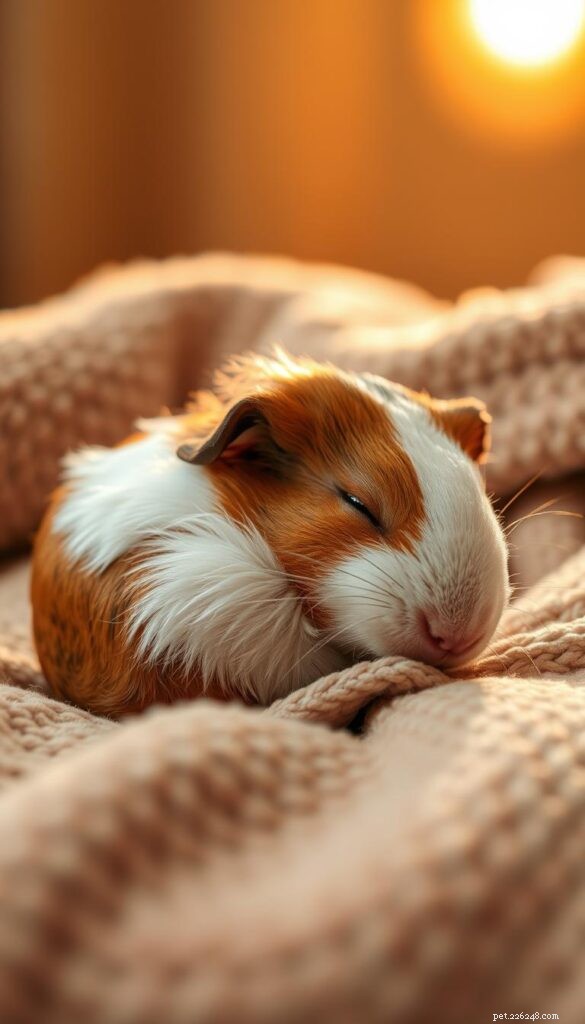
Guinea pigs split their rest into brief bursts—typically 6‑minute naps scattered throughout the day. Older animals may extend these periods to about 30 minutes, but most maintain the fast‑recharge style.
With 4–6 total sleep hours per day, they balance downtime with constant environmental awareness. Watch for moments when they pause mid‑play or sit still after a burst of activity—those are the micro‑naps.
Why Dawn and Dusk Matter
Their crepuscular nature stems from wild ancestors who foraged when predators were less active. As a result, guinea pigs instinctively become most energetic during twilight, then settle for quick rests before the next activity surge.
The Power of Mini‑Naps
These short naps allow them to conserve energy while staying ready to flee. Because their brains remain partially tuned to the surroundings, they can awaken instantly if danger appears.
Why Do They Keep Their Eyes Open?
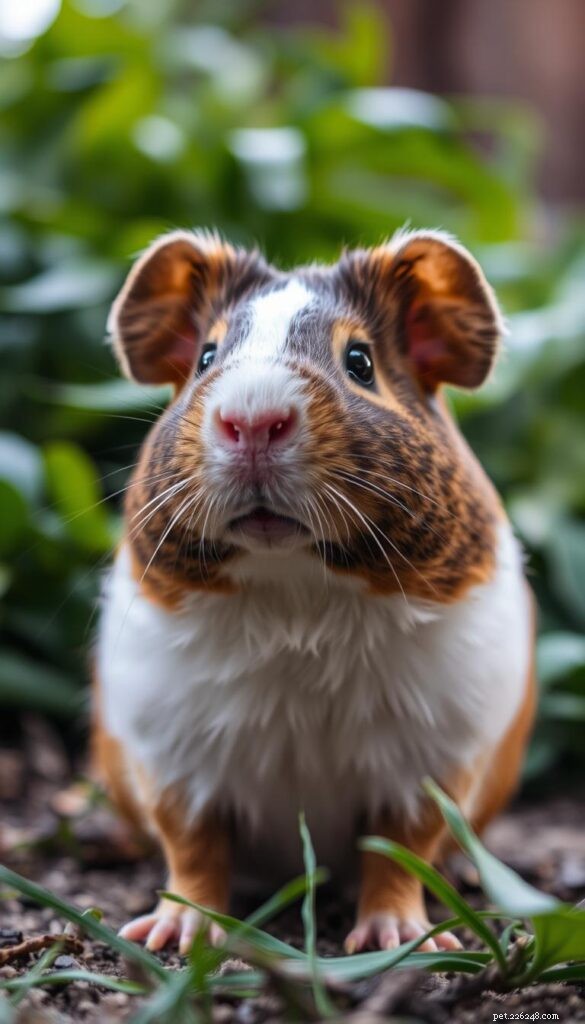
High‑altitude Andes ancestors evolved vigilance as a key to survival. Even today, their genetics push them to maintain wide‑open eyes during rest, a trait that once kept them from becoming prey.
Evolutionary Survival Instincts
Predators like hawks and foxes often overlooked animals that appeared awake. This early advantage still manifests in modern pets, who instinctively keep their vision open during sleep.
Partial Vision, Full Alertness
During micro‑naps, a guinea pig’s brain stays tuned to subtle sounds and movements. This “living alarm” explains why you rarely see them fully closing their eyelids.
Creating a Comfortable Rest Environment
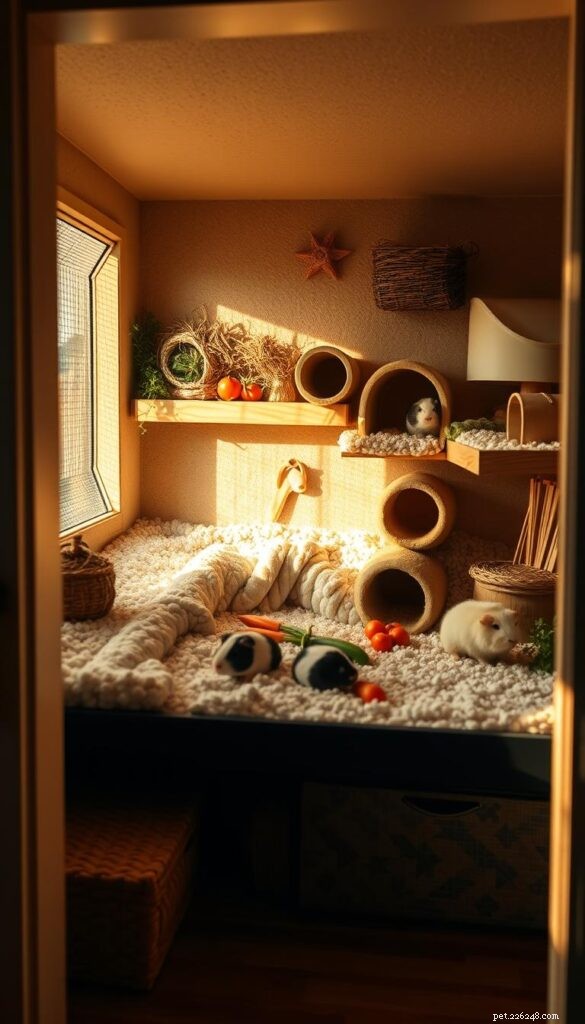
Designing a safe enclosure requires thoughtful layout and quality products. Keep light low, use covered huts, and provide dark corners that feel like natural hiding spots.
Lighting and Dark Spaces
Bright rooms keep them alert. Dark, shaded areas help them feel protected. Position the cage away from direct sunlight and add a covered tunnel for daytime rest.
Smart Layouts for Security
A well‑planned cage separates activity zones from rest areas. Consider the following layout:
| Zone | Features | Essential Items |
|---|---|---|
| Dining | East/West walls | Ceramic bowls, hay racks |
| Sleeping | North/South corners | Fleece liners, tunnel hideouts |
| Play | Central area | Chew toys, flat stones |
Soft bedding such as the GuineaDad Liners (Premium or Original) offers plush surfaces and hidden pockets—ideal for safe retreats. Keep hay stations close to play areas so crumbs don’t disturb rest spots.
Observe where your guinea pig prefers to nap; those corners reveal where they feel safest. Rotate accessories monthly to keep the environment engaging while maintaining core cage features.
Interpreting Their Sleep Signals
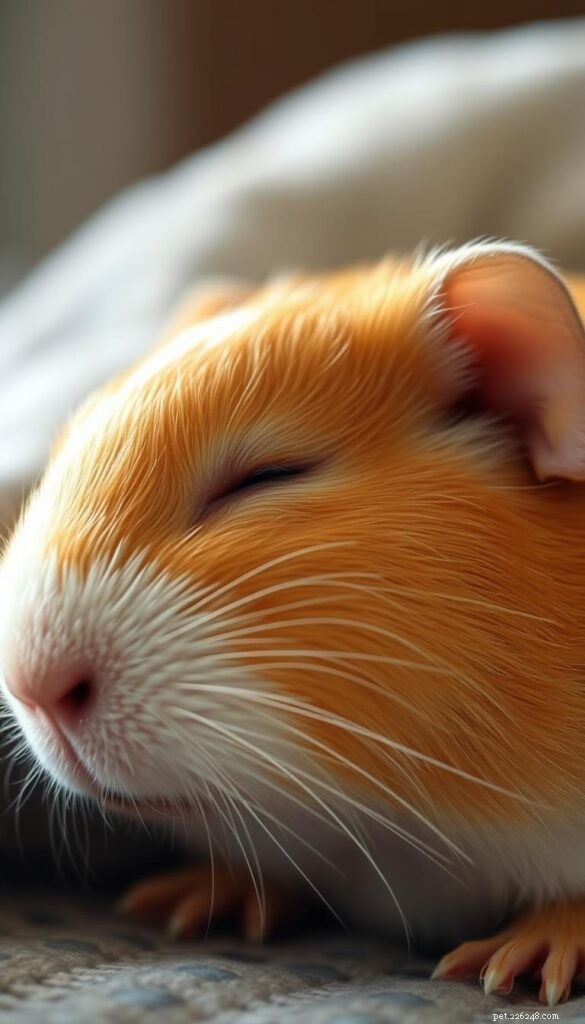
Learning to read their sleeping habits can help you gauge comfort levels and strengthen the bond.
| Behavior | Sleeping State | Awake State |
|---|---|---|
| Eye Position | Half‑closed or unfocused | Bright and tracking movement |
| Body Movement | Complete stillness | Frequent repositioning |
| Response to Stimuli | Delayed reaction | Immediate attention |
Signs of Complete Security
Rare moments when eyes are fully closed indicate true relaxation. Look for:
- Frozen posture lasting 5+ minutes
- Slow, rhythmic breathing
- Relaxed whiskers and limp paws
Building this level of trust takes consistent, calm care. Keep routines steady and avoid loud noises. Even if your guinea pig never fully shuts its eyes, a relaxed demeanor during lap time signals comfort.
Key Takeaways
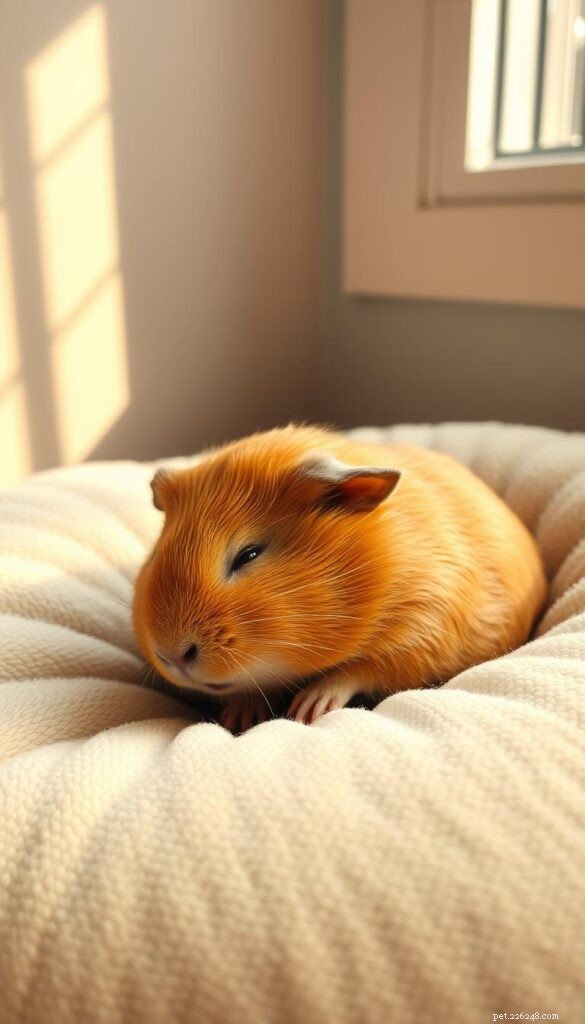
Wide‑open eyes during sleep are an evolutionary legacy that balances rest with vigilance. While modern homes provide safety, their instincts remain unchanged. Focus on spacious cages, hiding spots, consistent feeding, and quality products that support natural behavior.
FAQ
Why do they nap so often during the day?
Short power naps conserve energy while keeping them alert. Their crepuscular nature means they’re most active at dawn and dusk, so frequent rest periods help them recharge without dropping their guard.
Can they close their eyes while sleeping?
Yes—when they feel safe in a dim, enclosed space, they may fully close their eyes. Soft bedding like Kaytee paper‑based options and a snug hideaway encourage deeper relaxation for those rare “eyes shut” moments.
How much dark time do they need daily?
Providing 4–6 hours of low light or darkness mimics their natural rhythm. A covered corner with fleece or a hideaway cave helps them wind down without stress.
Do loud noises affect their rest?
Sudden sounds can startle them awake due to their prey instincts. Place the cage in quiet areas and use soft materials like Oxbow hay racks to minimize disruptions during nap times.
What cage features promote better sleep?
A spacious enclosure with separate zones for eating, playing, and resting works best. Add tunnels, chew toys, and a snug fleece‑lined bed to create a secure environment where they feel comfortable dozing off.
How can I tell if mine is relaxed?
Look for slow blinking, stretched‑out postures, or gentle teeth chattering. If they sprawl on their side or “popcorn” after waking, it’s a sign they trust their surroundings enough to let their guard down.
- 5 Proven Ways to Smoothly Introduce a New Puppy to Your Existing Dog
- Do Dogs Get Tetanus? Understanding Risks, Symptoms, and Vaccination
- What Do Frogs Eat? A Complete Guide to Feeding Your Frog
- Bromeliads: Safe for Cats? Expert Guide for Pet Owners
- Do Dogs Truly Grasp Quantity? Unveiling Canine Numerical Insight
- Dog Scooting Explained: Causes & Effective Solutions
- Montana Cat Revived After Freezing, Returns with Eight Lives