

How to Keep Your Guinea Pig Cage Odor‑Free: Expert Cleaning & Bedding Tips
Many pet owners adore their small companions but often struggle with persistent odors in their homes. A clean environment is not just about eliminating smells; it’s essential for the health and happiness of your guinea pig.
Male guinea pigs (boars) have active scent glands that can leave a noticeable mark. Even so, a well‑maintained cage should never overwhelm the space. The key lies in regular cleaning, a balanced diet, and proper ventilation.
Why Does Your Guinea Pig Cage Smell?
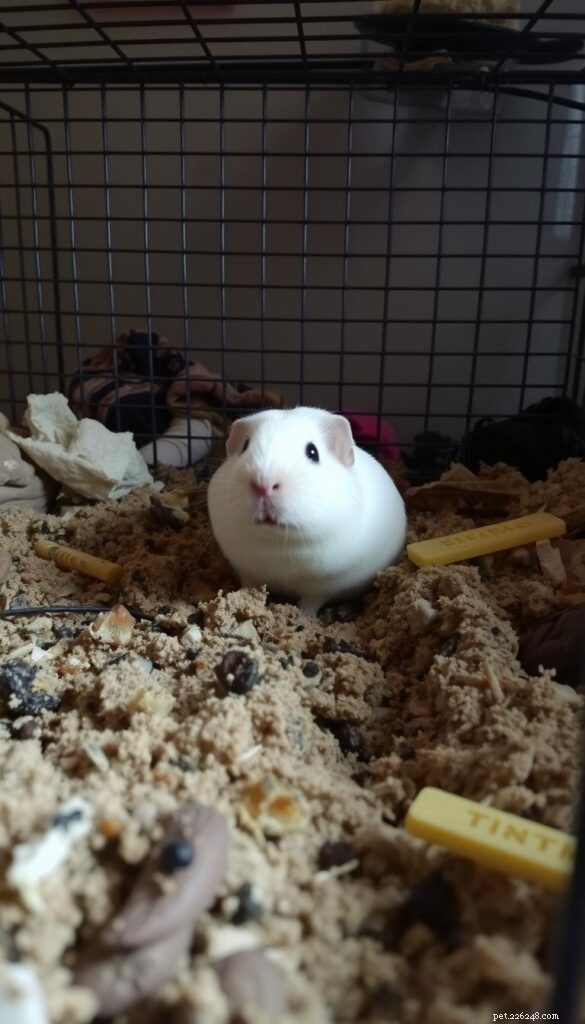
Common signs of an odor problem include an ammonia‑like scent (often from old bedding) and a sharp urine smell (possible health issue). Spotting these early can prevent larger problems and keep both you and your pet comfortable.
Diet & Cleanliness
The RSPCA recommends hay as the primary food. Treats such as broccoli or cabbage can increase gas and linger in bedding, intensifying odors. Keep treats moderate and monitor waste.
Common Odor Triggers
Wet bedding quickly becomes a bacterial breeding ground. Male guinea pigs also produce more scent markings that need weekly removal. Health problems like urinary infections can cause strong ammonia smells that linger despite cleaning.
| Odor Source | Cause | Quick Fix |
|---|---|---|
| Ammonia smell | Old bedding | Change liners every 3 days |
| Musty air | Poor ventilation | Use wire‑top enclosures |
| Sharp urine scent | Health issues | Vet check‑up |
Proper airflow is critical. Stuffy enclosures trap odors; well‑ventilated spaces help keep them at bay. Remember, guinea pigs don’t naturally emit strong smells; the environment does.
Daily Cleaning & Maintenance for a Fresh Habitat
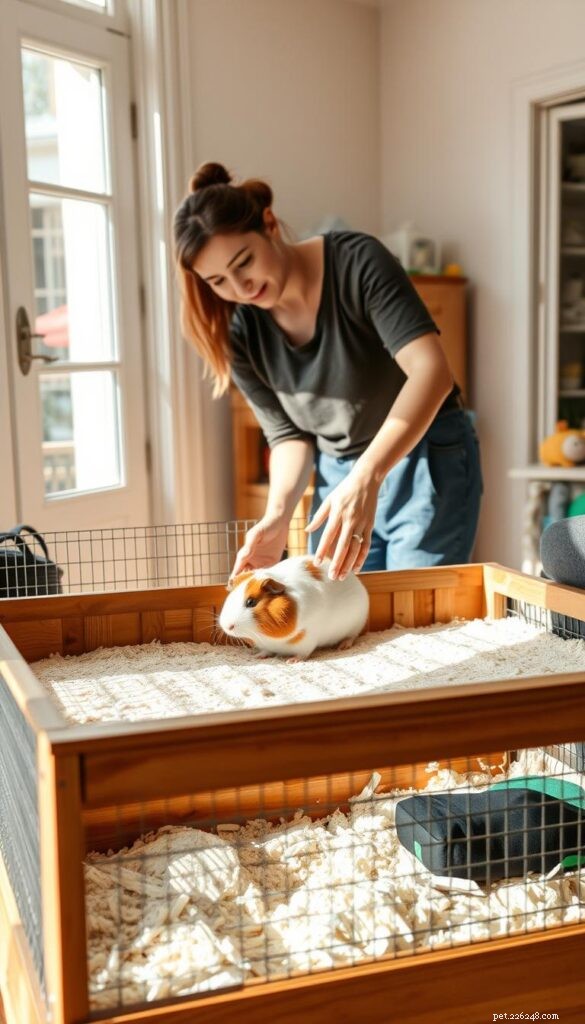
Balancing quick daily actions with thorough weekly sessions creates a space where odors can’t take root.
Spot‑Cleaning Routine
Daily spot checks are essential. Remove visible waste and damp bedding immediately using a small scoop or gloves. Focus on corners and food areas where crumbs accumulate.
| Task | Frequency | Tools Needed |
|---|---|---|
| Waste removal | 3–4 times daily | Small shovel or tongs |
| Bedding refresh | Every 24 hours | Replacement liners |
| Food area wipe | After meals | Damp cloth |
Effective Deep Cleaning
VCA Animal Hospital recommends “complete habitat sanitization every 7 days.” Move the pets temporarily, wash all surfaces with hot water and a 1:1 white vinegar solution, scrub food bowls and toys separately, and sun‑dry reusable bedding to kill bacteria naturally.
Always ensure the enclosure is bone‑dry before adding fresh liners—moisture invites bacteria and odors back quickly. Multi‑pet households may need mid‑week mini‑cleans based on observed waste patterns.
Proven Methods to Keep Your Cage Odor‑Free
Smart material choices and routine habits transform your guinea pig’s living space.
Smart Bedding Solutions
- Fleece liners and paper‑based options absorb up to three times more moisture than traditional hay.
- Aspen shavings provide natural odor control without the harmful phenols found in cedar.
- Waterproof cage liners prevent liquid from pooling at the base, reducing bacterial growth.
- Washable fleece saves money long‑term and eliminates dust that can trigger respiratory issues.
Effective Air‑Quality Strategies
Place litter boxes in corners where your guinea pigs naturally relieve themselves. Use non‑clumping paper bedding in these zones for easy daily scooping. Pair this with an air purifier featuring activated carbon filters, which capture up to 97% of airborne ammonia particles—an outcome supported by indoor air quality studies.
Female guinea pigs generally require less intensive odor management, but all benefit from weekly vinegar‑water wipes and adequate ventilation. Avoid forced litter training; follow your pets’ natural habits instead.
Wrapping Up Your Guinea Pig Care Routine
A fresh‑smelling home begins with consistent daily habits—spot cleaning and timely bedding swaps—combined with weekly enclosure scrubs. Monthly check‑ups help identify hidden grime and assess airflow. Monitor waste odors and behavior; persistent smells may signal a health issue that requires a veterinarian’s attention.
With these routines, you’ll enjoy a pleasant home and provide top‑notch care for your guinea pig.
FAQ
Does my guinea pig’s diet affect cage odor?
Yes! Foods high in water content, like leafy greens, increase urine output. Keep hay as the main ingredient and limit watery treats.
What’s the fastest way to reduce odors between cleanings?
Daily spot cleaning: remove soiled bedding, uneaten food, and droppings. Refresh the top bedding layer to maintain freshness.
Are certain bedding types better for odor control?
Paper‑based bedding or kiln‑dried pine shavings absorb moisture well. Avoid cedar, which contains harmful oils. Fleece liners work if washed frequently.
How often should I deep‑clean the enclosure?
Every 5–7 days: replace bedding, scrub with vinegar‑water, disinfect toys. Clean more often for larger groups.
Can litter training help with smells?
Yes. Place a small tray with hay and paper pellets in a favorite corner. Clean it daily to encourage use and limit waste spread.
Do air purifiers work for guinea pig cages?
Yes. A purifier with a HEPA filter traps dander and dust, while activated carbon neutralizes odors. Place it near—but not too close to—the cage.
- The Ultimate Guide to Dandie Dinmont Terriers: 5 Key Facts
- How to Spot When Your Rabbit Is Sleeping: Key Signs and Tips
- Step-by-Step Guide to Safely Treat Cat Burns
- Understanding Dog Imprinting: Why They Form Strong Bonds
- The Charming Egyptian Tortoise: Smallest Northern Hemisphere Pet
- Ringworm in Cats & Kittens: Symptoms, Treatment & Prevention
- Stop Your English Bulldog from Chewing: Effective, Gentle Training Tips