

How Much Are Guinea Pigs?
Those fluffy faces and cheerful squeaks might steal your heart instantly, but smart pet owners know preparation comes first. These charming rodents have become beloved companions across American homes, offering endless entertainment with their playful antics.
While store prices often start around $50, specialty breeds can reach $1,000. Your location, coat type, and breeder reputation all play major roles in the initial expense. Remember: these social creatures thrive in pairs, so plan for two furry friends from the start.
Adoption fees are just the beginning. You’ll need spacious habitats, quality food, and regular vet checkups. Many first-time owners underestimate ongoing needs like bedding replacements or chew toys.
This guide breaks down every dollar you’ll spend—from cozy hideouts to emergency medical care. You’ll learn budgeting tricks that keep tails wagging without draining your wallet. Let’s ensure you’re fully ready to welcome these delightful pets into your life!
Understanding the True Costs of Guinea Pig Ownership

Before diving into pet parenthood, understanding the financial landscape is crucial for their well-being. These social animals require careful budgeting that extends far beyond their adorable faces.
Initial Investment vs. Ongoing Expenses
Your first-year setup ranges from $500 to $825. This covers essentials like:
- Spacious cages ($120-$300)
- Quality bedding ($15/month)
- Hideouts and chew toys ($40-$75)
Yearly costs hit $1,200-$5,400. Food dominates budgets at $840-$1,920 annually. Like small animal costs, hay and fresh veggies add up quickly.
Factors Influencing Price Variations
Spring adoptions often cost 20% more. Rescue groups charge $50-$100, while specialty breeders ask $200-$1,000. Always budget for unexpected vet visits – they account for 35% of ongoing costs.
Evaluating Your Purchase Options
Finding your perfect companion starts with understanding where to look. Different sources cater to varied priorities – whether you value transparency, affordability, or specific traits.
Breeders, Pet Stores, and Rescues
Pet stores often charge $50 per animal, offering instant availability but limited health history. Breeders range from $25 for common varieties to $1,000 for rare types like hairless skinny pigs. “Reputable breeders provide vaccination records and genetic testing,” notes a Pennsylvania rodent specialist.
Adoption vs. Buying: What Suits You Best?
Rescues frequently pair socialized companions for $50-$65 – often cheaper than single store-bought pets. While free rehomed animals exist, always request veterinary records. Adoption fees typically cover:
- Initial wellness exams
- Parasite treatments
- Behavior assessments
“Every adopted pair opens space for another rescue case,” explains a Midwest shelter coordinator.
Consider your budget and ethics: supporting rescues helps reduce overpopulation, while breeders preserve rare lineages. Whatever path you choose, prioritize sellers who answer health questions thoroughly.
Setting Up a Comfortable Habitat

Creating a safe and stimulating environment ranks high in pet care priorities. Your furry friends’ living space directly impacts their health and happiness—and your long-term budget. Let’s explore smart choices for their home base.
Choosing the Right Cage and Enclosure
Spacious designs matter more than aesthetics. Aim for enclosures exceeding 8 square feet for two pets—C&C cages shine here. These modular systems ($90-$292) allow customization while providing excellent airflow and room for hideouts.
Wire-bottom options might seem convenient but risk foot injuries. “Solid floors prevent bumblefoot,” advises a California exotic vet. Invest in proper sizing upfront—upgrading later costs 30% more than buying right the first time.
Bedding and Substrate Options
Your substrate choice balances comfort and cost efficiency. Fleece liners ($85-$106 initially) slash annual expenses versus disposable alternatives:
Avoid pine and cedar—their aromatic oils trigger respiratory distress. Washable fabrics require weekly laundering but save hundreds yearly. Pair with absorbent layers for maximum coziness!
Essential Supplies and Daily Care Accessories

Proper care starts with the right tools and nutrition. These social companions thrive when their environment supports natural behaviors and dietary needs.
Fueling Their Health Through Diet
Timothy hay forms 90% of their meals—stock up on fresh bundles daily. Pair it with vitamin C-rich veggies like bell peppers and kale. Quality pellets round out their nutrition, but measure portions to avoid overfeeding.
Monthly food budgets run $70-$130 for two pets. Here’s how costs break down:
Stimulating Minds and Teeth
Chew toys aren’t optional—they’re dental necessities. Untrimmed teeth cause serious health issues. Rotate wooden blocks and cardboard tunnels weekly to maintain interest.
Enrichment goes beyond toys. Hideouts and fleece forests satisfy their need for security. “Bored pets develop destructive habits,” warns a Colorado rodent behaviorist. Mix up layouts monthly to spark exploration.
Remember: Heavy ceramic bowls prevent spills, while drip-free bottles ensure constant hydration. Grooming brushes and nail clippers complete your care toolkit.
How Much Are Guinea Pigs? A Detailed Price Breakdown
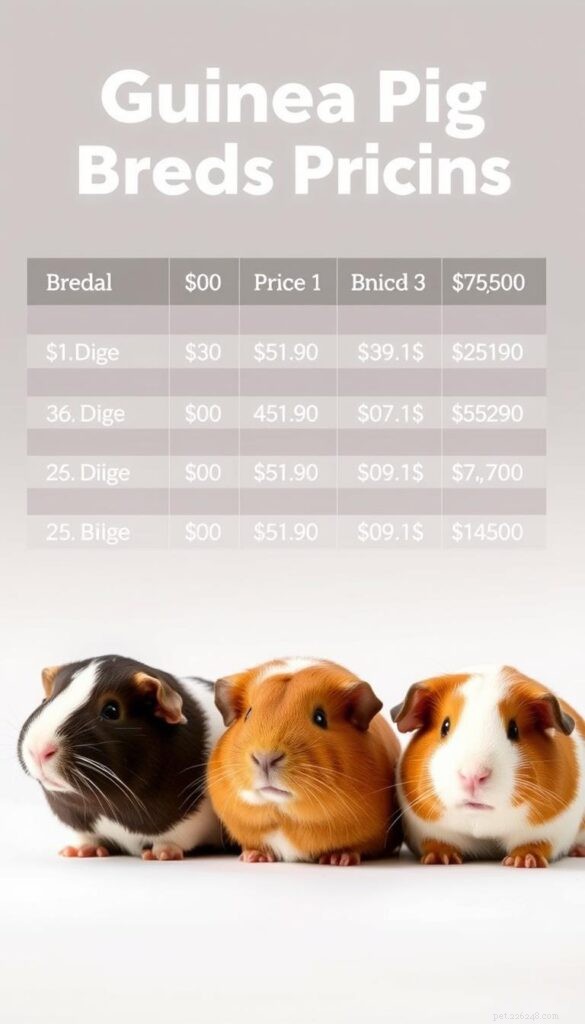
Choosing your new furry companion involves more than just falling for those whiskers—price tags vary wildly based on coat type and source. Let’s explore what makes some rodents pricier than others and where sneaky fees might lurk.
Cost Ranges for Different Breeds
Short-haired American varieties often start at $25, making them the most accessible choice. Fancy-coated Abyssinians jump to $50+ due to their signature swirl patterns. Long-haired Peruvians and Alpacas range between $40-$45, requiring extra grooming effort but offering stunning visual appeal.
Comparing Market Prices and Hidden Fees
That $25 pet store find could balloon with add-ons. Reputable breeders often include health certificates ($50-$150 value), while distant sellers may charge $100+ for climate-controlled transport. Initial vet visits ($75-$125) check for common issues—smart budgeting strategies account for these essentials.
Remember: Rare varieties like hairless Skinny Pigs demand premium pricing. One Ohio breeder recently sold a champion-line trio for $2,800! Always ask sellers about included services before committing.
Planning for Ongoing Health and Veterinary Care
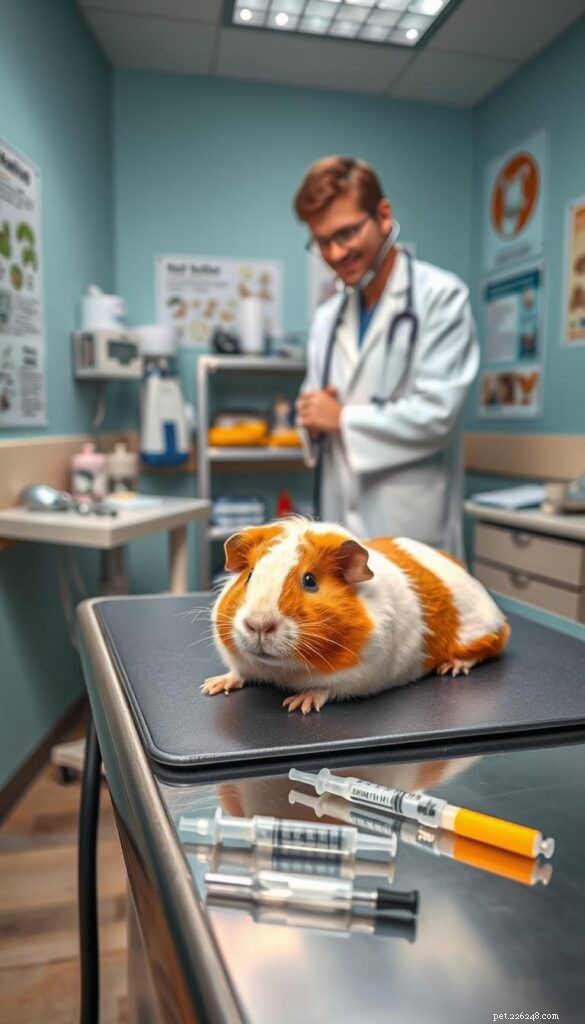
Keeping your pocket pals thriving requires proactive health strategies. Unlike cats or dogs, these small companions need specialized attention to stay in top shape throughout their 5-8 year lifespan.
Routine Checkups and Preventive Care
Annual wellness exams ($50-$100) act as your first defense against hidden issues. Exotic vets spot subtle signs like weight loss or dental misalignment during these visits. Preventive care costs 80% less than treating advanced illnesses according to rodent health studies.
Common needs during checkups include:
- Nail trims ($15-$25)
- Dental evaluations ($40-$75)
- Parasite screenings ($30-$50)
“Molar spurs develop silently but cause severe pain if untreated,” notes Dr. Ellen Torres, an Arizona exotic animal specialist.
Preparing for Emergency Vet Visits
Urgent care costs can shock unprepared owners—bladder stones treatment runs $800-$1,200, while respiratory infections hit $300-$500. Consider these protective measures:
Hairless varieties like Skinny Pigs often need extra dermatological care. Establish vet relationships early—clinics with exotic expertise book weeks in advance during crisis periods.
Budgeting Tips for Prospective Guinea Pig Owners
Smart budgeting transforms pet care from financial stress to manageable joy. Let’s explore practical ways to keep your furry friends thriving while protecting your wallet.
Smart Buying Strategies and Bulk Purchasing
Stock up on essentials during seasonal sales—many suppliers offer 30% discounts on hay in spring. Consider these cost-saving comparisons:
Store bulk items in airtight containers to maintain freshness. Partner with local pet owners for group purchases—splitting 50lb hay bales cuts costs by 40%.
Considering Pet Insurance and Saving Funds
Insurance plans covering 80% of vet bills cost less than weekly coffee runs. Compare these options:
- Accident-only coverage: $9/month
- Comprehensive plans: $18/month
- Wellness add-ons: $5/month
“A $500 emergency fund prevents debt when dental issues strike,” advises Dr. Megan Shaw from PetCare Financial.
Automate savings with app-based tools—setting aside $25 monthly builds a $300 safety net yearly. Always request itemized vet estimates before procedures.
Final Thoughts on Guinea Pig Ownership
Welcoming these chatty companions means embracing both joy and responsibility. Their lively personalities and social nature create rewarding bonds, but success lies in understanding their full spectrum of needs.
Guinea pigs thrive when owners prioritize long-term planning. From spacious habitats to vitamin-packed meals, every choice impacts their quality of life. Budget-conscious shoppers save significantly through bulk hay purchases and reusable bedding—strategies that protect both wallets and whiskers.
Remember: emergency vet funds prevent heartache when unexpected health issues arise. Pairing insurance with automated savings builds financial safety nets without stress. Those considering adoption should review essential preparation steps to create a nurturing environment from day one.
Whether adopting or purchasing, ethical sourcing ensures healthy starts for your future friends. With proper care and attention, these delightful rodents become cherished family members—their cheerful wheeks and popcorn jumps repaying your efforts tenfold.
FAQ
What’s the difference between upfront and recurring costs for guinea pigs?
Upfront costs include cages, bedding, and initial vet checks (0–0). Recurring expenses cover food, hay, and routine care (– monthly). Budgeting for both ensures your pet stays happy and healthy.
Why does adoption often cost less than buying from a breeder?
Rescues like the ASPCA or local shelters typically charge –, which often includes spaying/neutering. Breeders charge –0+ depending on rarity. Adoption supports animal welfare while saving you money.
What cage size is ideal for two guinea pigs?
A 7.5-square-foot enclosure, like Midwest Habitat’s model, works best. Pair it with fleece liners from GuineaDad for odor control. Bigger spaces reduce stress and encourage natural behaviors.
Are paper-based or wood shavings better for bedding?
Paper pellets (CareFresh) absorb odors well but cost more. Kiln-dried pine is budget-friendly but needs frequent changes. Avoid cedar—it’s toxic. Test options to see what suits your pet and lifestyle.
How much should I spend monthly on a balanced diet?
Plan for – monthly for fresh veggies, Oxbow pellets, and timothy hay. Add vitamin C supplements if needed. Quality food prevents health issues, lowering long-term vet bills.
Do rare breeds like Alpaca guinea pigs cost more?
Yes. Common American breeds cost –, while rare types (Texel, Skinny Pig) range from 0–0+. Check for ethical breeders to avoid hidden fees or health risks.
Should I get pet insurance for emergencies?
Plans like Nationwide’s exotic pet coverage (–/month) help with unexpected bills. Set aside 0 yearly for checkups and 0+ for emergencies. Insurance adds peace of mind.
Can bulk-buying supplies save money?
Absolutely! Stock up on hay (Small Pet Select) or bedding during sales. Compare Chewy, Petco, and local stores for deals. Bulk purchases cut long-term costs by 20–30%.
- Protect Your Pet: Safe Interaction with Home Appliances
- Ragdoll Cat Ownership Costs: Purchase Price & Ongoing Expenses Explained
- Labradoodles: Common Health Issues & How to Protect Them
- Why Cats Cover Their Food Bowls: Expert Insights & Solutions
- Understanding the Causes of Dizziness in Dogs
- Every Cat Deserves a Home: Inspiring Stories from Adoption Centres
- What Causes Dogs to Foam at the Mouth? Top Diseases and Symptoms Explained