

Guinea Pig Prices at Petsmart: What New Owners Should Know
Bringing a new furry companion into your home is a joyous decision, but it’s essential to understand the full cost of ownership before you commit. For many families, Petsmart is the go‑to destination for small‑animal purchases, and the price can vary based on location, breed, and season. This guide walks you through current pricing, long‑term expenses, and practical tips for setting up a healthy, happy home for your guinea pig.
Understanding Guinea Pig Pricing at Petsmart
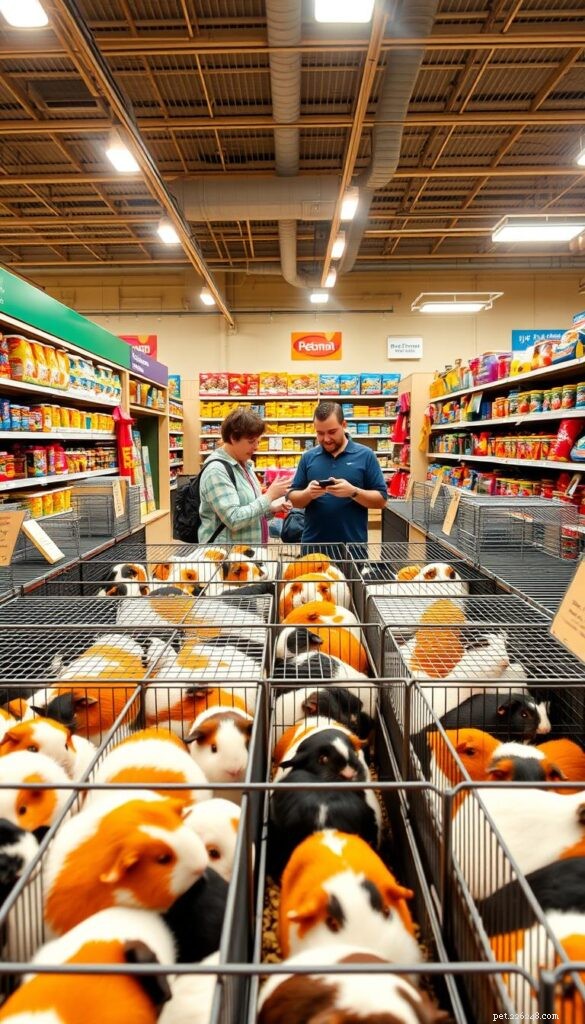
Retail prices fluctuate across the country, but the general range for standard breeds is $20–$50. Factors that can push the price higher include:
- Age: Newborns or very young animals often cost 30% more.
- Location: Urban stores may add $15–$20 to the fee.
- Coat color: Rare or exotic colors such as lilac, Himalayan, or “shaded” varieties can reach $60.
Seasonal demand also plays a role—prices can dip during off‑peak months and rise around holidays. Always call your local Petsmart to confirm the current price, availability, and any promotions.
Retail vs Rescue Costs
While the initial purchase fee is only the beginning, many pet owners find that adopting from a rescue offers a lower upfront cost and a more comprehensive health check. Below is a snapshot of typical fees:
| Source | Average Cost | What’s Included |
|---|---|---|
| Major Pet Store (e.g., Petsmart) | $20–$50 | Basic health check, cage, initial food |
| Local Shelter/Rescue | $10–$25 | Spay/neuter, vaccinations, health screening |
| Reputable Breeder | $50–$120 | Pedigree paperwork, health records, early vaccinations |
As one volunteer at Midwest Small Animal Rescue noted, “Every adoption fee supports our capacity to rescue more animals.”
Long‑Term Care Costs

The true cost of guinea pig ownership is built over time. Below are key recurring expenses you should budget for:
- Veterinary Care: Routine checkups cost $50–$100 annually. Exotic‑animal specialists may charge 20% more, and emergency visits can exceed $800.
- Spay/Neuter: $100–$300 if not covered by an adoption fee.
- Food & Bedding: $300–$600 per year for hay, pellets, fresh veggies, and paper or fleece bedding.
- Preventive Care: Nail trims (~$15 per session) and dental checks can reduce future health problems.
- Insurance: Basic plans covering 80% of costs start at $10/month.
Setting aside a small monthly reserve—$30 is a good start—can protect you from unexpected bills.
Choosing Between Adoption and Retail
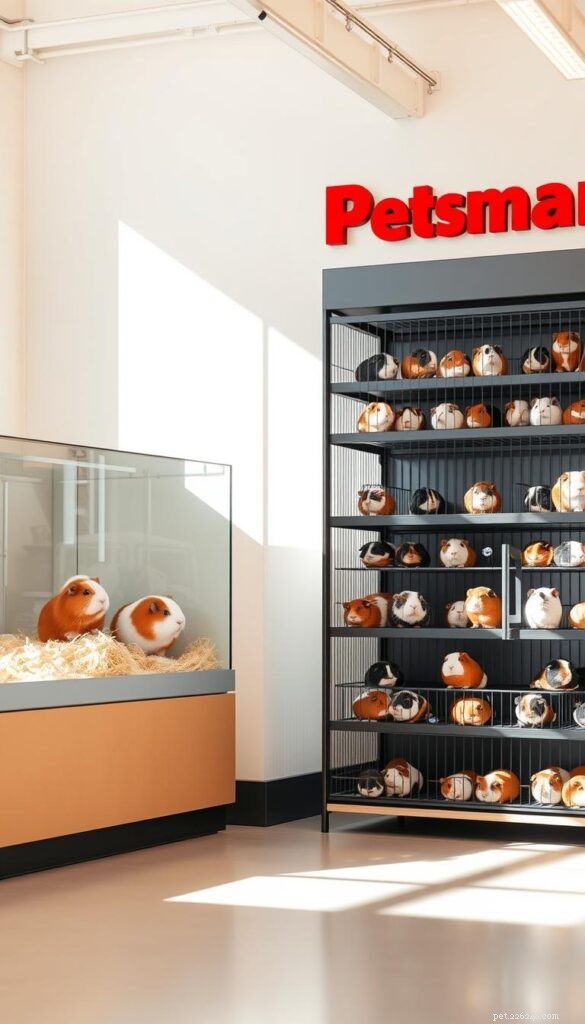
Deciding whether to adopt or purchase from a retailer depends on several factors:
| Factor | Adoption | Retail Purchase |
|---|---|---|
| Cost | $10–$25 | $20–$50+ |
| Availability | Limited by region | Widely accessible |
| Health Checks | Often comprehensive | Basic exam |
| Age Range | Mixed (adults & juveniles) | Primarily young |
| Ethical Impact | Supports shelters | Supports breeders |
For rural families, the nearest rescue may be over 200 miles away, making a local Petsmart purchase practical. In contrast, urban owners might find a suitable rescue close by and opt for adoption to help reduce shelter overcrowding.
Real‑Life Stories from Guinea Pig Owners

Unexpected surprises can happen when buying from a retail source. One Texas family purchased two female guinea pigs that turned out to be pregnant, resulting in seven piglets within weeks. The store offered a take‑back, but the family had already bonded with the animals and found returning them emotionally difficult. This experience underscores the importance of:
- Verifying gender and reproductive status at purchase.
- Budgeting for potential hidden costs.
- Exploring rescue options for pre‑screened animals.
Adoption programs often provide detailed health histories, which can reduce the risk of surprise expenses.
Setting Up a Comfortable Home
Providing a spacious, enrichment‑rich environment is key to a guinea pig’s wellbeing. The recommended minimum is 8 square feet per animal, but larger is always better. Here are design tips:
Space Matters Most
- Use multiple connected cages or a large enclosure to create separate zones: sleeping nooks, play areas, and dining spaces.
- Include vertical space with ramps and platforms—just ensure the slope has traction.
Safety Through Smart Design
- Offer multiple hideouts: cardboard tunnels, wooden shelters, and fabric tents.
- Select bedding that fits your cleaning routine—paper pellets for longer cleanings, fleece liners for frequent spot‑cleaning.
- Rotate toys and rearrange accessories regularly to maintain mental stimulation.
Keep the enclosure in a quiet, draft‑free area away from cats and loud noises.
Store Policies and Vet Checkups
Most Petsmart locations provide a 14‑day health guarantee, covering initial veterinary visits. Store policies vary, so it’s wise to:
- Schedule a vet appointment within 72 hours of purchase.
- Save all receipts and health certificates.
- Document any symptoms with photos.
When issues arise, stores typically refer buyers to breeders rather than assuming full responsibility. Keep a record of all conversations to aid any dispute resolution.
Bonding and Behavioral Tips
Introducing two guinea pigs can be done safely using the “bathtub method”: line a tub with towels, place hay in the center, and position each pig on opposite ends. This allows them to approach each other calmly. Watch for:
| Behavior | Normal | Aggressive | Action Needed |
|---|---|---|---|
| Vocalizations | Soft wheeking | Loud shrieking | Monitor closely |
| Physical Contact | Nose nudging | Biting/fur pulling | Separate immediately |
| Movement | Gentle chasing | Relentless pursuit | Create barriers |
Offer shared meals to encourage camaraderie, and celebrate small victories such as shared lettuce munching.
Additional Considerations Before Purchase
Rescue vs Retail
Shelters typically provide health‑screened animals with lower fees and built‑in vaccinations. Retail sources offer convenience but vary in ethical standards; always inquire about breeder partnerships and animal welfare practices.
Long‑Term Planning
Budget for yearly supplies ($300–$600), cage expansions, and enrichment upgrades. A Colorado owner noted that switching to fleece liners saved $20/month, allowing more investment in premium veggies.
FAQ
What’s the typical price range for guinea pigs at PetSmart?
PetSmart generally prices guinea pigs between $20 and $50, depending on age, breed, and color. Check your local store for promotions or seasonal sales that might lower costs.
Should I adopt from a rescue or buy from PetSmart?
Adoption fees at rescues are often lower—around $10–$25—and include spaying/neutering. Buying from PetSmart supports retail breeding, while adoption gives homeless piggies a second chance. Both options require vet checks and proper care.
What ongoing costs should I expect after buying a guinea pig?
Budget for hay, pellets, fresh veggies, and bedding ($300–$600 per year). Yearly vet visits cost $50–$100, while emergency care can exceed $800. A spacious cage (7.5+ sq ft per pig) can add $200–$400 upfront.
Do PetSmart guinea pigs come with health guarantees?
Most stores offer a 14‑day health guarantee. Schedule a vet checkup immediately to catch hidden issues like respiratory infections or mites. Rescues often provide more thorough health screenings upfront.
How do I set up a safe habitat for my new pet?
Choose a cage with solid flooring and ample space—avoid wire‑bottom designs. Add hideouts, tunnels, and chew‑safe toys. Use paper‑based bedding and place the cage in a quiet, draft‑free area away from cats or loud noises.
Can guinea pigs from PetSmart bond easily with humans?
Yes! Spend 15–30 minutes daily hand‑feeding veggies or gently petting them. Young piggies may be shy at first, but consistency builds trust. Pairing them with a same‑sex companion also reduces stress.
Are there hidden benefits to choosing a rescue guinea pig?
Rescues often socialize pets beforehand and provide behavior tips. Many also offer post‑adoption support and disclose medical history. You’ll also free up space for another animal in need!
What’s the biggest mistake new owners make?
Underestimating space needs. Two guinea pigs require at least 10.5 sq ft—bigger than most store‑bought cages. A DIY C&C cage or large pen prevents fights and encourages natural behaviors like popcorning!
- The Ultimate Guide to Caring for a Maine Coon Cat in Singapore
- Decoding Your Dog’s True Age: Beyond the Myth of Seven Dog Years
- Kangal Shepherd Dog: Turkey’s Majestic Guard Breed
- How Dogs Intuitively Find Their Way Home During Car Rides
- USGS Study Finds Florida Burmese Pythons Could Spread, Yet They Cannot Survive South Carolina Winters
- Safe and Effective Dog Training with Aversives
- Kishu Ken Traits: Loyalty, Smell, and Care Needs