

How Human Illnesses Can Threaten Guinea Pigs: Prevention & Care
Your guinea pig brings boundless joy, but that close bond also opens a doorway to hidden health risks. Many owners underestimate how a seemingly mild human illness can become a serious threat to these small mammals. Respiratory infections you might shrug off can trigger life‑threatening complications in your pet.
Guinea pigs have immune systems that differ dramatically from ours. What feels like a simple sniffle for you can provoke severe breathing difficulties for them. Early signs such as sneezing or lethargy demand immediate attention—waiting could be disastrous.
Knowledge is power. Understanding transmission risks lets you safeguard your pet. Simple precautions during your own illness—handwashing, temporary distancing, covering coughs—make all the difference. Your veterinarian remains the best ally for spotting warning signs and prescribing appropriate treatment.
This guide walks you through specific health dangers and practical prevention strategies. Learn how to balance affection with protection, ensuring your pet stays happy and healthy for years to come.
The Transmission of Diseases Between Humans and Guinea Pigs
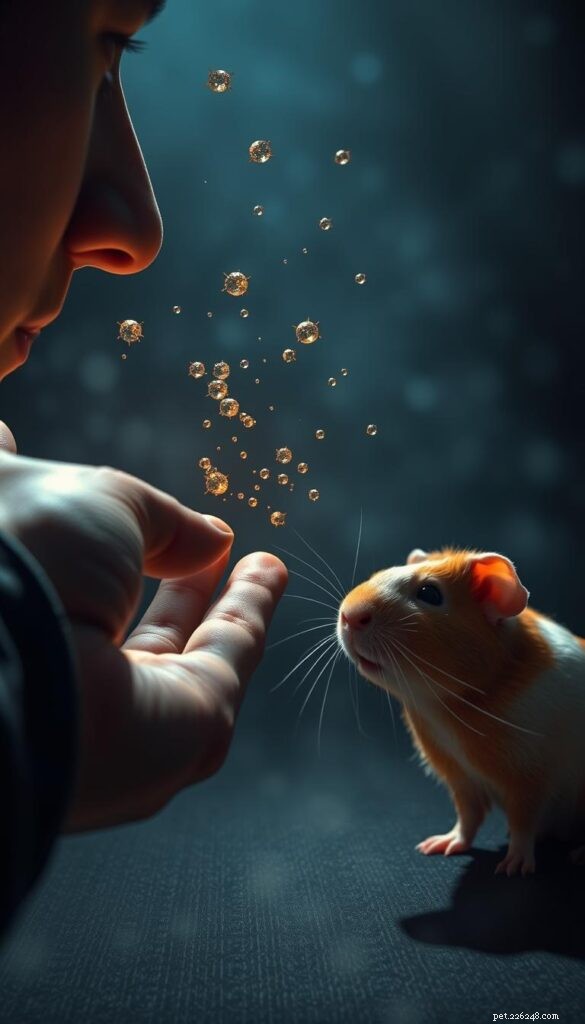
That adorable nose twitch that invites scratches hides a vulnerability many miss. Tiny respiratory systems in pocket pets amplify health risks from casual human contact. Shared spaces become highways for invisible threats when you’re under the weather.
How Germs Travel Through the Air
Your sneeze can launch moisture particles at 100 mph—force enough to carry pathogens across rooms. These droplets land on toys, bedding, or directly enter your pet’s nostrils. Studies show some bacterial strains move bidirectionally between species.
Three factors increase transmission risk:
- Close face‑to‑face interactions during playtime
- Recirculated air in enclosed spaces
- Shared food surfaces or unwashed hands
Spotting Trouble in Your Furry Friend
Watch for these red flags that demand same‑day vet care:
- Wet‑sounding breathing or prolonged sneezing fits
- Crust formation around eyes or nose
- Unusual silence—healthy guinea pigs vocalize often
Time matters more than you think. Pneumonia develops three times faster in small mammals compared to humans. Track eating habits—refusing favorite treats often signals distress. Weight loss becomes critical within 48 hours for these rapid‑metabolism creatures.
Can Guinea Pigs Get Sick From Humans?
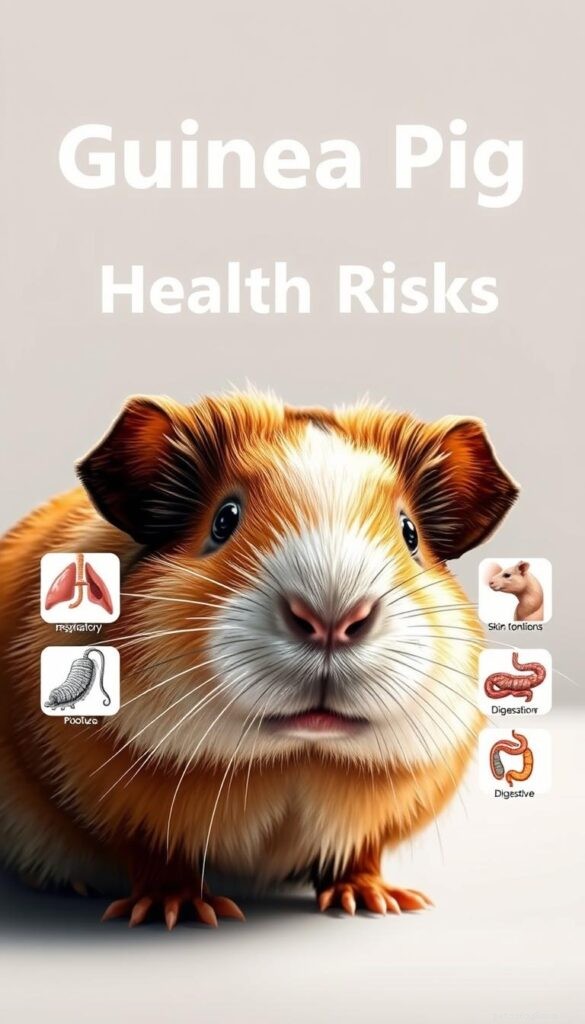
Your sniffles could mean life‑or‑death for small pets. While you recover quickly from seasonal bugs, these illnesses attack pocket pets’ delicate systems differently. Two conditions demand extra caution: rhinovirus (common cold) and bacterial respiratory infections.
Silent Killers in Plain Sight
Human cold viruses trigger pneumonia in small mammals up to 80% faster than in people. That lingering cough spreads pathogens through microscopic droplets that linger on clothes and hands for hours.
| Illness | Human Symptoms | Pet Symptoms |
|---|---|---|
| Common Cold | Runny nose, sore throat | Labored breathing, weight loss |
| Streptococcus | Mild fever | Seizures, organ failure |
| Salmonella | Digestive issues | Lethargy, dehydration |
Contagion Countdown
Viral shedding peaks 2‑3 days after your first sneeze. This window poses the highest danger. Always quarantine yourself during fever phases—even if you feel okay later.
Watch for reciprocal risks too. Roughly 15% of pet rodents carry zoonotic diseases like lymphocytic choriomeningitis. Wash hands after cage cleanings, especially before eating.
Prevention Strategies for Protecting Your Guinea Pig
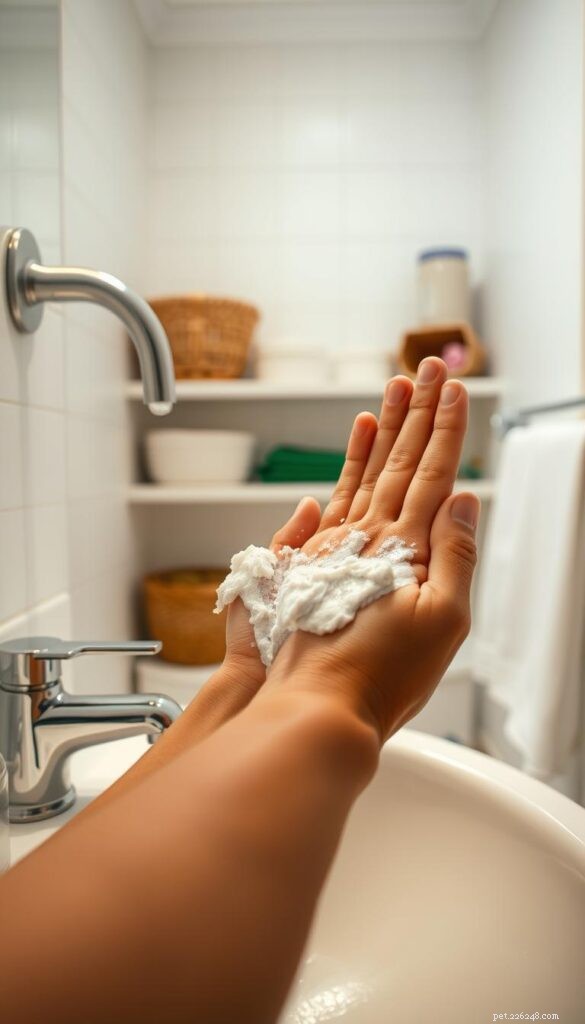
Keeping your small companion healthy starts with smart daily habits. Simple barriers and routines significantly reduce infection risks while maintaining quality care. Let’s explore practical methods to safeguard your pet during illness outbreaks.
Your First Defense: Soap & Water
Proper hand hygiene blocks 90% of germ transfers, according to CDC studies. Scrub with warm water and soap for 20 seconds—about the time it takes to hum “Happy Birthday” twice. Pay special attention to nail beds and wrist areas.
| Effective Cleaning | Common Errors |
|---|---|
| Lathering between fingers | Rinsing too quickly |
| Drying with paper towels | Reusing cloth towels |
| Using antibacterial soap | Only using hand sanitizer |
Smart Care When You’re Unwell
Designate a backup caregiver if possible during your contagious phase. When solo caregiving becomes necessary, wear nitrile gloves and a surgical mask. Disinfect cage surfaces daily using vinegar solutions instead of harsh chemicals.
Remember—symptoms fading doesn’t mean safety returns. Continue precautions for 72 hours after recovery. Store pet supplies separately from household items to prevent cross‑contamination. These steps help maintain a healthy environment for all your furry friends.
Additional Health Considerations for Guinea Pigs and Other Small Mammals
Understanding disease risks across small mammals helps create safer homes for both pets and owners. While rodents like guinea pigs make delightful companions, they share health considerations with mice, hamsters, and rats that every caretaker should know.
Comparing Disease Risks with Other Pets
All rodents carry similar transmission risks, but some groups face higher dangers. Children under five, seniors over 65, and those with weakened immunity need extra protection. Pregnant women should avoid handling pet rodents due to lymphocytic choriomeningitis risks.
Guinea pigs and hamsters both spread salmonella through improper handling. Skin parasites like Trixacarus caviae appear more frequently in these animals than in gerbils or rats. Always wash hands after touching any small mammal’s habitat—this simple step prevents most rodent‑related diseases.
While dogs and cats pose different health concerns, rodents require unique precautions. Their compact size means faster disease progression. Watch for shared symptoms across species: crusty eyes, unusual lethargy, or breathing changes demand immediate vet attention.
Smart care extends beyond one pet type. Designate separate cleaning tools for each animal’s cage. Store food away from human meal prep areas. These habits protect both your family and your furry friends, creating a healthier environment for everyone.
Final Insights on Keeping Your Guinea Pig Safe
Your cuddly friend’s health depends on quick action and smart routines. At the first sign of labored breathing or appetite changes, rush to an exotic‑savvy vet. These specialists know which antibiotics are safe—common human medications like amoxicillin can be deadly for small animals.
Post‑visit care proves crucial. You might need to syringe‑feed critical nutrients if your pet stops eating. Keep their living space spotless with daily food and water refreshes, using escape‑proof habitats to prevent stress‑related relapses.
Build morning checkups into your routine. Monitor water bottle levels and track treat consumption—sudden drops often signal trouble. Pair these habits with biannual vet visits to catch hidden issues early.
Through thoughtful prevention and prompt response, you’ll nurture a thriving companion. Proper hygiene and expert partnerships let you enjoy those sweet squeaks and nose boops worry‑free for years to come.
FAQ
Can respiratory droplets from humans make guinea pigs sick?
Yes. Respiratory droplets carrying viruses like the flu or common cold can spread to pets. Always cover sneezes, wash hands with soap before handling, and avoid close contact if you’re ill.
What symptoms suggest my guinea pig caught an infection?
Watch for sneezing, lethargy, watery eyes, or loss of appetite. These signs often mirror human illnesses. Contact a veterinarian immediately if you notice these changes.
Are diseases like strep throat or COVID‑19 risky for small pets?
While rare, some human illnesses can affect rodents. For example, guinea pigs are vulnerable to Bordetella (linked to human colds). Isolate sick household members and limit pet interactions.
How often should I clean my pet’s cage to prevent germs?
Clean cages weekly with mild soap and replace bedding every 2–3 days. Disinfect food bowls daily to reduce bacteria buildup that could harm your guinea pig.
Can handling other pets like hamsters increase health risks?
Cross‑species infections are uncommon but possible. Wash hands after touching other animals, and keep guinea pigs separate from pets like birds or reptiles to avoid accidental exposure.
Is it safe to feed my guinea pig if I’m sick?
Use gloves or ask someone healthy to handle feeding. Avoid touching their food or water directly, as germs on your hands could contaminate their supplies.
- Top Dog Breeds That Coexist Seamlessly with Cats – A Guide for Happy, Harmonious Homes
- Stop Feeding Your Cats Wrong: The Correct Way to Serve Them
- Explore 8 Expert Dog Training Techniques for Advanced Skills
- A Life‑Saving Makeover: Grooming Turns Shelter Dog Charlie into a New Beginning
- Are Cheez-Its Safe for Dogs? A Comprehensive Guide
- Relief for Your Dog’s Upset Stomach: Quick, Safe Solutions
- Bathe Your Dog with Castor & Olive Oil for Soothing, Allergy‑Free Skin