

How Guinea Pigs Contract Ringworm: Causes, Symptoms, and Prevention
Many pet owners assume that skin problems in small animals are due to parasites, but fungal infections are a common culprit. Ringworm—despite its name—results from dermatophyte fungi that produce circular bald patches and crusty edges on a guinea pig’s skin. These fungi thrive in damp, poorly ventilated environments and spread through direct contact or contaminated surfaces.
Pets that are young, elderly, or under stress have weakened immune systems, making them more susceptible. Overcrowded cages, inadequate hygiene, and high humidity create ideal conditions for fungal spores to grow. Recognizing these risk factors and acting early can prevent an outbreak.
Maintaining clean bedding, routine cage cleaning, and minimizing stress support a guinea pig’s natural defenses. Watch for early signs such as flaky skin, small bald spots, or excessive scratching—especially when several animals share a space. Prompt action limits spread and keeps your companion comfortable.
This guide explains how ringworm is transmitted, the key risk factors, and practical steps to keep your guinea pig healthy.
Understanding Ringworm in Guinea Pigs
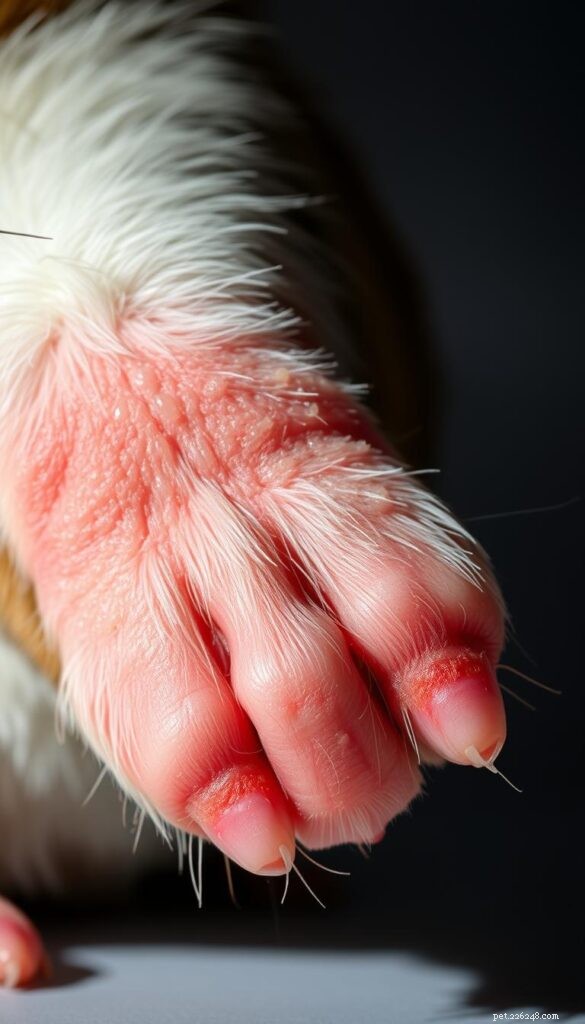
Ringworm is caused by dermatophytes, not worms. The most common species in guinea pigs is Trichophyton mentagrophytes, which thrives on keratinous surfaces such as skin, hair, bedding, and even human hands. Infection manifests as circular bald patches with rough, crusty edges.
What Is Ringworm?
Ringworm is a persistent fungal infection that creates clear, ring‑shaped bald spots. Unlike bacterial infections, dermatophytes require weeks of consistent antifungal treatment to clear completely. Rarely, Microsporum canis can be involved, especially if other animals are present.
Why It Spreads Quickly
Fungi feed on dead skin cells, making the guinea pig’s coat an ideal habitat. The infection spreads via direct contact, contaminated toys, bedding, or even human clothing. Because dermatophytes can infect humans, veterinarians recommend wearing gloves and washing hands after handling an affected animal.
Causes and Risk Factors Behind Ringworm
Three primary factors create a perfect storm for ringworm: the environment, stress, and immune health.
Environmental Factors and Unsanitary Conditions
Damp bedding, poor ventilation, and accumulated waste provide a rich source of fungal spores. High humidity keeps spores viable longer, while shared toys or water bottles spread them quickly. Inspect hidden corners and replace bedding regularly to limit spore buildup.
Stress, Immunity, and Overcrowding
Pregnancy, illness, or sudden changes in routine weaken a guinea pig’s immune response, making infection harder to clear. Overcrowding elevates stress hormones and increases physical contact, raising transmission risk. Look for behavioral changes such as reduced appetite or excessive scratching; simple environmental adjustments—adding hideouts or separating aggressive pairs—can dramatically reduce stress.
How Guinea Pigs Get Ringworm
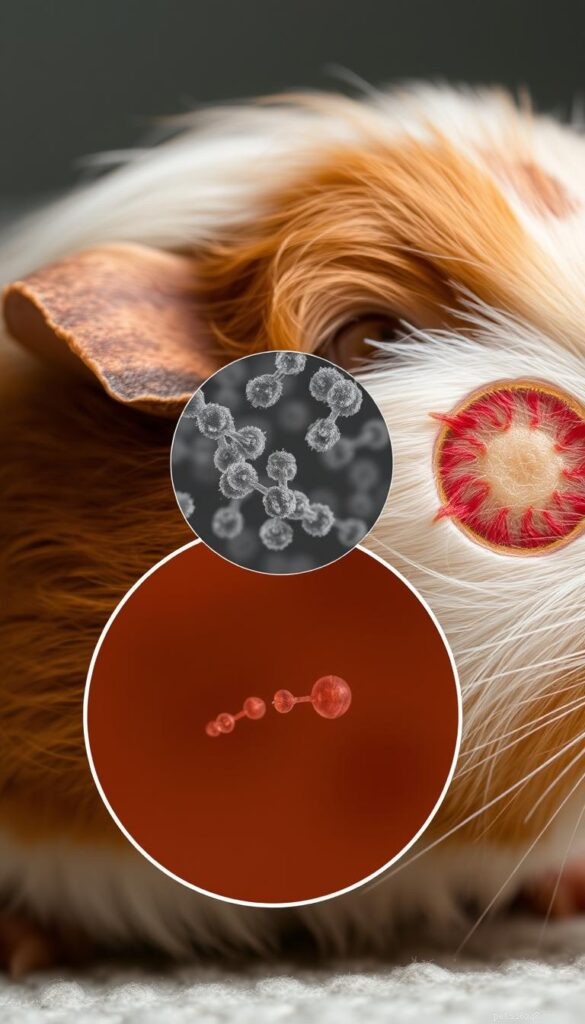
Transmission occurs via direct contact and environmental exposure. Shared play areas or group housing increase exposure, especially when one animal shows crusted lesions. Contaminated surfaces such as chew toys, food bowls, and bedding can harbor spores for weeks.
Direct Contact and Environmental Transmission
Physical contact is the fastest route for spores to jump hosts. A single infected piece of hay or a contaminated bedding batch can infect an entire cage. Replace nesting materials weekly and disinfect cages thoroughly. For more details on hygiene, see our guide on fungal infection prevention.
The Role of Carriers
Some guinea pigs carry spores without showing visible symptoms, acting as silent spreaders. New arrivals should be quarantined for 2‑3 weeks before joining established groups. During quarantine, monitor for subtle signs such as mild flaking around ears or paws.
| Transmission Type | Common Sources | Prevention Tips |
|---|---|---|
| Direct Contact | Infected cage mates | Separate symptomatic pets immediately |
| Environment | Dirty bedding, toys | Weekly deep cleaning |
| Human Transfer | Hands, clothing | Wash hands between handling sessions |
Owners often unknowingly spread spores through unwashed hands or shared grooming tools. Designate separate supplies for each animal and sanitize items after every use. Staying vigilant to these hidden risks keeps your guinea pigs safe.
Recognizing the Signs and Symptoms
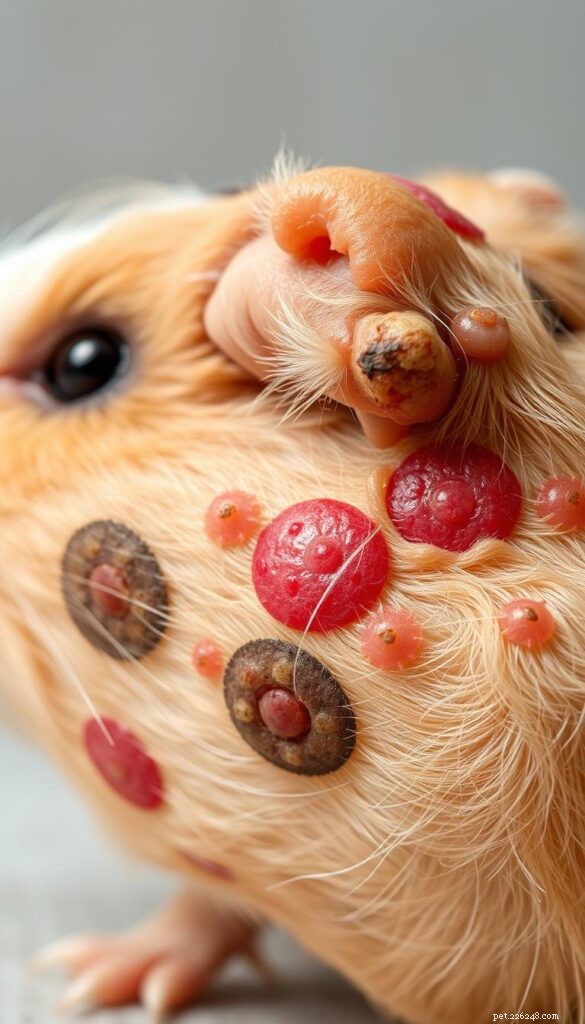
Early detection is key to effective treatment. Look for:
Visual Indicators on Skin and Fur
Typical ringworm lesions appear as circular patches where fur has disappeared. The edges are often rough and crusty. Redness may be evident around the face or feet before hair loss becomes obvious. Affected areas are scaly and may have brittle hairs that break easily.
Behavioral Changes and Secondary Infections
Persistent scratching, excessive grooming, or reluctance to be touched can signal discomfort. Secondary bacterial infections may occur if the skin is broken. Watch for:
- Unusual restlessness during handling
- Reluctance to eat or interact
- Swollen nail beds (rare but serious)
Early veterinary consultation can prevent a minor issue from becoming a major health concern.
Diagnostic Procedures and Veterinary Insights
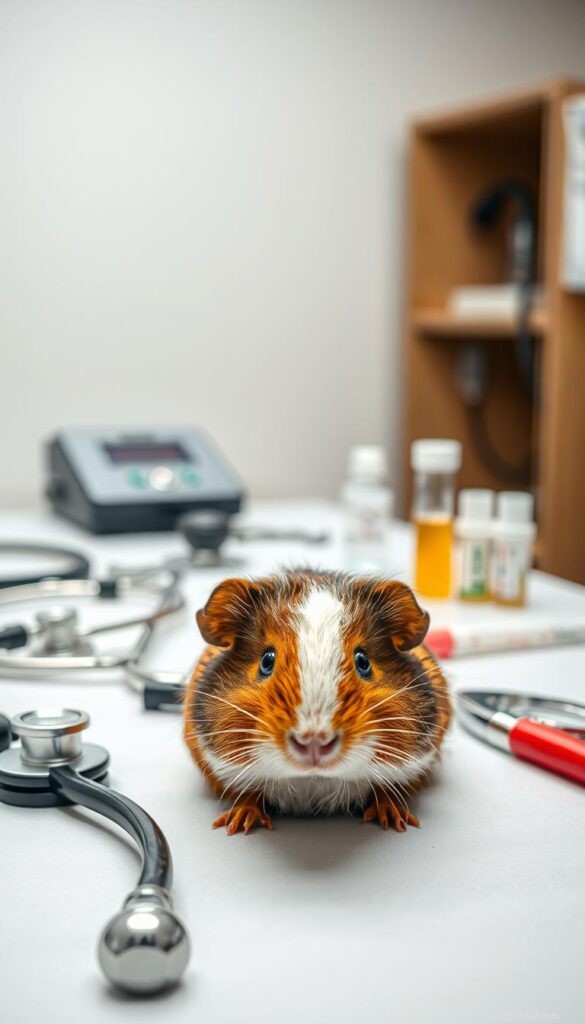
Veterinarians use specialized tests to differentiate ringworm from other skin conditions. Common procedures include:
| Test | Process | Timeframe | Accuracy |
|---|---|---|---|
| Cytology | Microscopic hair examination | Same day | Preliminary |
| Fungal Culture | Sample incubation | 10–21 days | Gold standard |
| PCR Test | DNA analysis | 3–5 days | High |
Veterinarians often combine multiple methods to confirm the diagnosis. PCR offers rapid results, while cultures are essential for monitoring treatment progress.
Treatment Options for Ringworm in Guinea Pigs
Effective management requires both topical and, if necessary, oral antifungals. Treatment typically spans 4–8 weeks to eliminate spores and prevent recurrence.
Topical Antifungals and Bathing Protocols
Miconazole shampoos or chlorhexidine sprays soothe irritated skin and target fungal growth. In severe cases, weekly lime sulfur dips may be recommended—always wear gloves during application. Clean the environment regularly: replace bedding daily and disinfect cages weekly.
Oral Medications and Duration of Therapy
For persistent infections, veterinarians prescribe itraconazole or terbinafine. These systemic drugs require precise dosing and should be paired with topical treatments. Regular follow‑ups ensure the regimen remains effective and safe.
FAQ
What is ringworm in guinea pigs?
Ringworm is a fungal infection caused by dermatophytes, leading to circular bald patches, crusty skin, and hair loss. The fungi thrive in warm, humid environments and spread easily through contact.
How does an unclean environment contribute to infection?
Dirty cages and contaminated bedding create ideal conditions for fungal spores to multiply. Regular cleaning with vet‑approved disinfectants such as F10 SC or chlorhexidine reduces outbreak risk.
Can stress increase the risk of fungal infections?
Yes. Stress weakens the immune system, making guinea pigs more vulnerable. Overcrowding, sudden diet changes, or loud environments trigger stress. Provide vitamin‑C rich foods and minimize disruptions to lower infection risk.
How is ringworm transmitted between guinea pigs?
Direct contact with infected animals or shared objects—toys, bedding—spreads spores. Humans or other pets can also act as carriers. Isolate sick pets and wash hands thoroughly after handling.
What are the visible signs of ringworm?
Look for bald patches, crusty skin, or redness—often starting on the face or ears. Itching may cause scratching, leading to secondary bacterial infections. Early detection prevents spread to other pets or family members.
How do vets diagnose this condition?
Veterinarians use UV lamps (Wood’s lamp), skin scrapings, or fungal cultures to confirm infection. PCR testing identifies specific strains. Avoid home remedies—misdiagnosis delays proper treatment.
What treatments are available for infected pets?
Topical antifungals such as miconazole or terbinafine creams treat mild cases. Severe infections may require oral medications like griseofulvin. Baths with Malaseb shampoo help remove spores. Always complete the full treatment cycle to prevent recurrence.
- Marshmallow & Friends: A New Home Adventure – Heartwarming Tales of Courage and Belonging
- Tigger: The Adorable Floppy‑Cat Star of the Week
- Three Safe & Healthy Turmeric Dog Recipes – Quick & Easy
- Bristlenose Pleco (Ancistrus spp.) – Comprehensive Species Guide for Aquarists
- Top 12 Dog Breeds Perfect for Seniors: Low‑Maintenance Companions
- Are Wild Birds Safe to Eat Flaxseed? Nutritional Benefits & Feeding Tips
- 107 Charming Italian Cat Names to Perfectly Capture Your Feline’s Personality