

How Big Do American Guinea Pigs Get?
If you’re considering bringing home one of these charming rodents, knowing their average dimensions is essential. Most fully grown pets in this category measure between 8 and 19 inches long. For perspective, that’s slightly longer than a standard laptop or a loaf of bread. Their weight typically ranges from 2 to 3 pounds—similar to a small bag of sugar or flour.
Males often grow larger than females, though genetics and birth order also play a role. This variability means your pet might not hit the exact middle of the range. Still, their compact size makes them ideal for indoor habitats and easy handling.
Preparing the right environment is crucial for their well-being. A spacious cage, balanced diet, and gentle interaction all support healthy growth. Curious about smaller variations? Explore our guide to skinny pig breeds for comparisons.
By understanding these details early, you’ll create a comfortable home for your new companion. Let’s dive deeper into growth patterns, care tips, and what to expect as they mature.
Understanding Guinea Pig Growth and Size
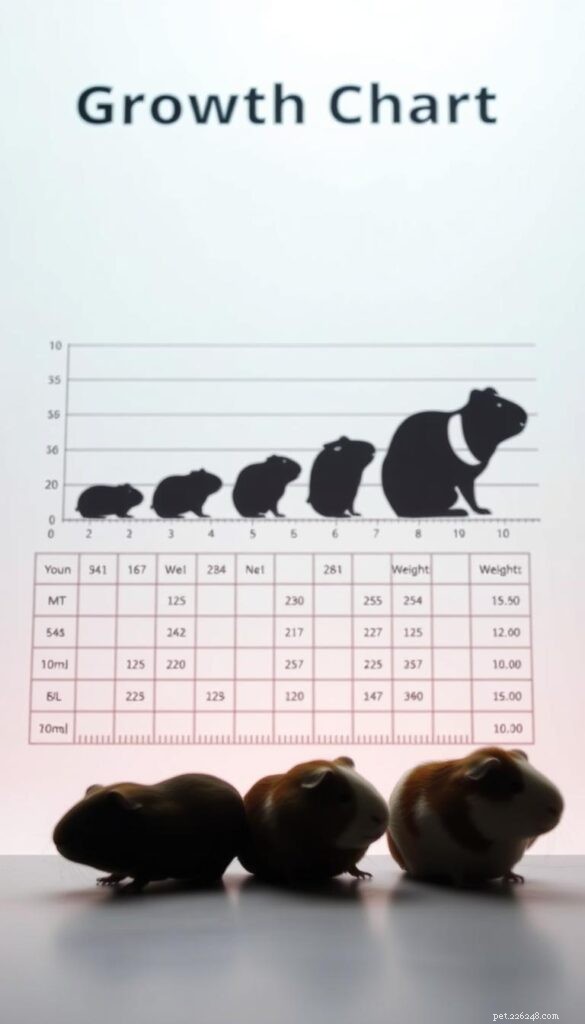
Watching these small pets transform from palm-sized newborns to full-grown companions is fascinating. Their development follows predictable patterns, but individual sizes depend on factors like diet and genetics.
Growth Milestones and Measurements
A baby guinea pig starts at just 2–4 ounces—lighter than a smartphone! Weekly weigh-ins reveal rapid progress:
- Gains 1–1.5 ounces weekly during the first 8 weeks
- Reaches 13–17 ounces by 16 weeks
- Hits 17.5–25 ounces at 6 months
By their first birthday, most reach adult weight (2–3 pounds). Consistent nutrition and space to move ensure they stay on track.
Gender Differences in Size and Weight
Male guinea pigs (boars) often outgrow females (sows). While both follow similar growth curves, boars typically weigh 10–15% more. A mature male might tip the scales at 2.5–3 pounds, while females usually stay under 2.5 pounds.
“Genetics set the range, but care determines where they land,” notes a small-animal veterinarian. Regular checkups help spot any deviations early.
Breed Variations in American Guinea Pigs
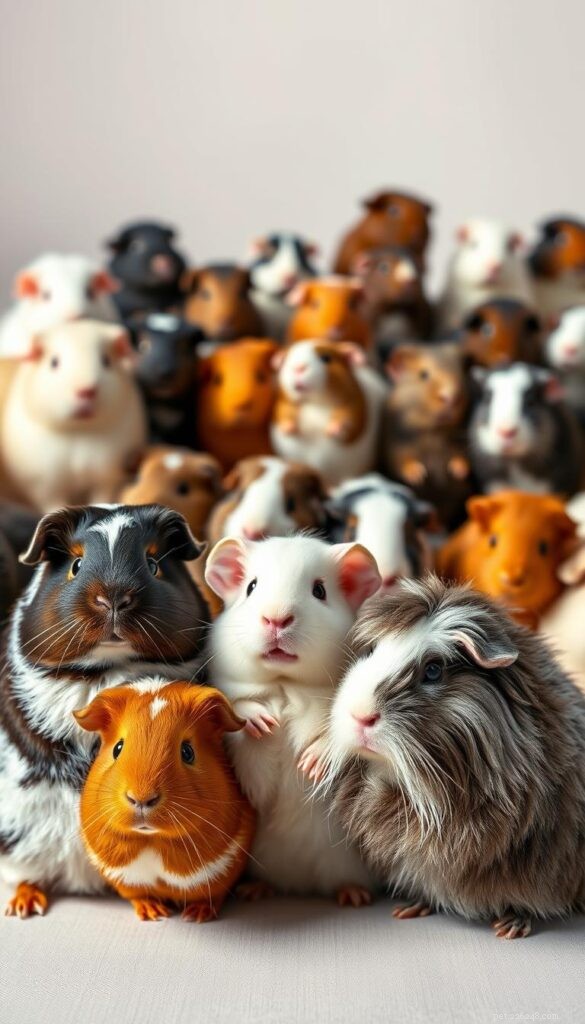
Choosing the right breed shapes your pet-keeping experience more than you might think. While all guinea pigs share similar care needs, their physical traits vary dramatically across types.
Differences Among Popular Breeds
The American guinea pig stays compact at 8-9 inches long, weighing 1.5-2.5 pounds. Texels match this size range but sport curly fur. Larger breeds like Abyssinians and Peruvians often hit 3 pounds with longer coats requiring daily grooming.
Rex guinea pigs dominate the size chart at 18 inches and 3 pounds. Their plush fur and sturdy build make them appear twice as large as their American cousins. “Owners often underestimate space needs for bigger breeds,” warns a rodent care specialist.
Why Size Comparisons Matter
Petite American guinea pigs thrive in standard 7.5-square-foot cages. Larger varieties need 10+ square feet for comfortable movement. Weight differences also affect diet portions—bigger pigs consume 20% more hay weekly.
When selecting your new friend, consider both appearance and practical needs. Compact breeds simplify care routines, while fluffier types demand extra maintenance. Either way, understanding these variations ensures happy cohabitation.
How Big Do American Guinea Pigs Get?
When planning your pet’s habitat, you’ll want to note their typical adult measurements. Most reach 10-12 inches long—similar to a dinner plate—with weights varying by gender. Females often stay between 2-2.5 pounds, while males can grow up to 3.5 pounds. Their compact size makes them easy to handle, yet substantial enough for interactive play.
Boars generally develop broader shoulders and longer bodies than sows. A healthy male might measure 12 inches from nose to rump, while females average 10 inches. “Weight checks every two weeks help ensure they’re growing properly,” advises Dr. Emily Carter, a small-animal veterinarian. Keep a kitchen scale handy for monitoring.
Remember, these rodents might not follow textbook measurements perfectly. Genetics influence whether your companion stays petite or becomes a gentle giant. For detailed care strategies tailored to their growth patterns, explore our complete guide to American guinea pigs. Proper nutrition and spacious living quarters support their development at every stage.
Development and Growth Stages
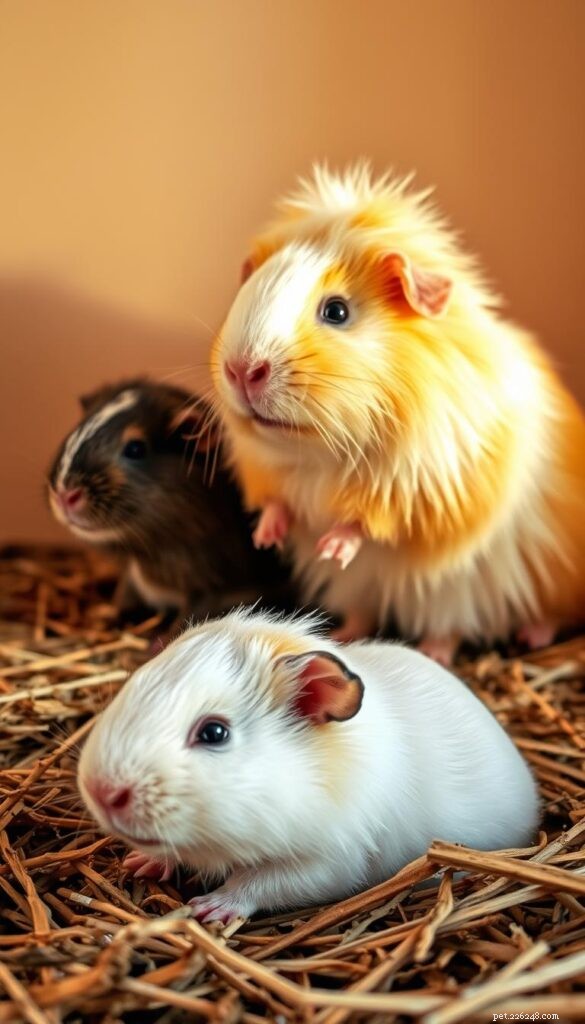
Tracking your pet’s growth journey reveals fascinating changes from tiny newborn to sturdy adult. These milestones help you gauge their health and adjust care routines as needed.
Newborn to Juvenile: Early Growth
Your furry friend enters the world weighing just 2-4 ounces—about the weight of a lemon. Born fully furred with open eyes, they quickly start exploring. Weekly weigh-ins show impressive progress:
During this phase, baby guinea pigs need extra protein and vitamin C. Offer alfalfa hay and fresh veggies to fuel their rapid development.
Reaching Full Grown Size
Growth slows noticeably after six months, though subtle changes continue until their first birthday. Most reach adult size by 12 months, maintaining stable measurements for years. “Consistent weight checks prevent obesity issues,” notes Dr. Sarah Thompson, exotic animal specialist.
With proper care, these companions thrive for 5-8 years. Their lifelong health depends on the foundation built during those critical early months. Regular vet visits and balanced nutrition keep them active through every life stage.
Factors that Influence Guinea Pig Size
Understanding what shapes your furry friend’s proportions helps you support their well-being. While genetics set the stage, daily care choices determine how those traits develop. Let’s explore the key elements affecting their growth.
Genetics and Breed Characteristics
Your pet’s genetic blueprint acts like a growth roadmap. Compact breeds like the American variety naturally stay smaller, while Rex types often reach 18 inches. “Parents’ size predicts 70% of offspring dimensions,” explains Dr. Lisa Reynolds, rodent specialist.
Mixed-breed pets might show unpredictable patterns. Always ask about lineage when adopting. This knowledge helps anticipate space needs and potential health considerations.
Diet, Exercise, and Environment
Nutrition quality directly impacts development. Young pets need vitamin C-rich food like bell peppers and high-quality pellets for bone growth. Adults require measured portions to avoid obesity—limit sugary treats to weekly snacks.
Activity levels matter too. Pets in spacious habitats develop lean muscle mass. Stress from cramped quarters or loud noises can stunt growth. Maintain stable temperatures between 65-75°F for optimal metabolism.
Regular weigh-ins help spot issues early. Combine these strategies to help your companion thrive within their genetic potential while maintaining peak health.
Proper Diet to Support Healthy Growth

Fueling your pet’s growth starts with smart meal planning. These herbivores thrive on a balanced mix of roughage, nutrients, and hydration. Let’s explore how to build meals that keep your cavy thriving at every life stage.
Essential Nutrients and Feeding Tips
Hay forms 80% of their daily intake. Timothy hay supports digestion and dental health—their teeth grow continuously. Pair this with vitamin C-rich veggies, as these pets can’t produce this nutrient. A vet notes, “Without daily vitamin C, guinea pigs develop scurvy within weeks.”
Recommended Foods and Hay Options
Young cavies benefit from alfalfa hay’s calcium boost, but switch to timothy after six months. Bell peppers and kale deliver vitamin C without excess sugar. Avoid iceberg lettuce—it lacks nutritional value. Always provide fresh water in a drip-free bottle.
Limit fruits to 1-2 weekly treats. Overfeeding pellets or sugary snacks leads to weight gain. Balance is key: proper portions support lean muscle while preventing obesity-related health issues.
Cage Setup and Space Requirements
Creating the perfect home for your furry friend goes beyond basic necessities. The Humane Society recommends at least 7.5 square feet per pet, but 10.5 square feet allows better exploration. These energetic animals spend 20 hours daily running, foraging, and playing—cramped spaces can lead to health issues.
Choosing the Best Cage and Hutch
Opt for wire cages with solid floors to protect delicate feet. Plastic-bottom designs paired with chew-proof metal bars work well. For two pets, select enclosures measuring at least 30″x50″—bigger is always better. Avoid multi-pet stores’ tiny starter kits; they stunt natural behaviors.
Providing Enrichment and Room to Roam
Layer hay-filled hideouts and ramps to create vertical interest. Rotate chew toys weekly to prevent boredom. The RSPCA emphasizes that tunnels and platforms encourage climbing instincts. Pair indoor habitats with supervised floor time—use pet-proofed playpens for safe adventures.
Remember: Proper space directly impacts muscle development and weight management. One study found pets in larger enclosures showed 40% more activity. Your companion’s lifelong health starts with thoughtful cage design today.
Monitoring and Maintaining Optimal Weight
Regular weight checks are your secret weapon for keeping your pet thriving. These energetic companions often hide health issues, making consistent tracking crucial for early detection. Let’s explore simple methods to monitor their progress effectively.
Weekly Weigh-In Strategies
Make weight measurements a stress-free ritual. Choose the same time each week—mornings work best before breakfast. Place your guinea pig in a small container on a kitchen scale for wiggly individuals. Offer a veggie treat to keep them still during the 10-second process.
Tools and Techniques for Accurate Tracking
Digital scales beat analog models for precision—look for ones measuring in 0.1-ounce increments. Keep the scale near their habitat to maintain routine. Log results in a notebook or app to spot trends. A sudden drop could signal dental issues, while gradual gains might mean diet adjustments are needed.
Remember: Stable weight equals good health. Pair these checks with visual inspections of their coat and activity levels. Your piggy’s lifelong well-being starts with these five-minute weekly sessions.
FAQ
What’s the average size of a full-grown American guinea pig?
Most adults reach 8–10 inches long and weigh 2–3 pounds. Their sturdy bodies need spacious cages (at least 7.5 square feet) to stay healthy and active. Regular vet checkups help track their growth.
Do males grow larger than females?
Yes! Males often weigh slightly more (up to 3.5 pounds) and have broader frames. Females tend to stay leaner, but diet and genetics play big roles. Always monitor weight changes to avoid health issues.
How do American guinea pigs compare to other breeds?
They’re mid-sized with smooth, short coats. Breeds like Peruvian or Silkie grow longer fur but similar body sizes. Teddy guinea pigs are chunkier, while Skinny pigs are smaller due to unique genetics.
What foods support healthy growth?
Fresh hay (like Timothy or orchard grass) should make up 80% of their diet. Add vitamin C-rich veggies (bell peppers, kale) and high-quality pellets. Avoid sugary treats—opt for herbs or dandelion greens instead.
How much space do they need as they grow?
Start with a 4-square-foot cage for babies and upgrade to 7.5+ square feet for adults. Include hideouts, tunnels, and chew toys. More space reduces stress and encourages exercise for strong muscles.
When should I start tracking their weight?
Weigh them weekly from birth using a kitchen scale. Juveniles gain rapidly—expect 0.5–1 ounce weekly. Adults should maintain steady weights. Sudden drops or gains mean it’s time to visit the vet.
Can environment affect their size?
Absolutely! Poor diets, cramped cages, or lack of exercise can stunt growth. Keep their habitat clean, offer daily floor time, and rotate toys to keep them mentally stimulated and physically fit.
- Can Dogs Detect Human Cancer? Evidence and Insights
- Why Ducks Poop So Much: A Guide for Backyard Owners
- TOP #56: The Clear Benefits of Fresh Dog Food Over Kibble
- How to Effectively Cool Your Horse After Cold Weather Riding
- Safe Guide to Switching Your Dog’s Food: Tips & Best Practices
- Ragdoll Cats After Belly Shaving: Heartwarming Recovery Stories
- The White-Faced Cockatiel: Your Guide to This Unique, Intelligent Pet