

Can Guinea Pigs Conceive Without a Male? A Veterinary Guide to Reproduction and Care
As a responsible guinea pig owner, you’ll often wonder about the reproductive biology of these small mammals. The short answer is clear: male and female guinea pigs are both essential for successful breeding. Unlike species capable of parthenogenesis, rodents require direct mating to produce offspring.
Female guinea pigs reach sexual maturity astonishingly early—between 4 and 8 weeks of age—while males develop at a comparable pace. This rapid maturation means accidental litters can occur in a matter of weeks if animals are not separated. A typical pregnancy lasts 59–72 days and usually results in 2–5 healthy pups.
One surprising fact is that females can become pregnant again within hours of giving birth. This quick reproductive cycle underscores the importance of proper habitat management to avoid unintended pregnancies.
In this article we explain why males are always required for reproduction, describe common myths, and provide practical steps to keep your guinea pigs healthy and well‑cared.
Understanding Guinea Pig Reproduction

Guinea pigs mature faster than many pet owners realize, so it is vital to separate sexes early. Females become receptive for breeding as young as 4 weeks, whereas males exhibit mounting behavior around 4 weeks but reach full fertility by 8–10 weeks.
Sexual Maturity and Breeding Readiness
Female guinea pigs are biologically ready to conceive between 4 and 8 weeks old—well before many other small pets. Male guinea pigs start mounting behaviors at 4 weeks but only achieve true fertility around 8–10 weeks.
Breeding Cycles and Common Myths
Females enter a breeding window every 13–21 days, typically lasting 6–11 hours. Mating usually occurs toward the end of this period, and the risk of pregnancy rises sharply if the animals are not separated. Contrary to online rumors, guinea pigs cannot reproduce without a male; even brief contact during play can lead to an unexpected litter.
- Receptivity window: 6–11 hours
- Typical mating: end of cycle
- High pregnancy risk without separation
Veterinary experts advise keeping males and females apart by the age of 3–4 weeks to guarantee no surprise pregnancies. Always double‑check the gender of young guinea pigs before co‑housing.
Can Guinea Pigs Get Pregnant Without a Male?
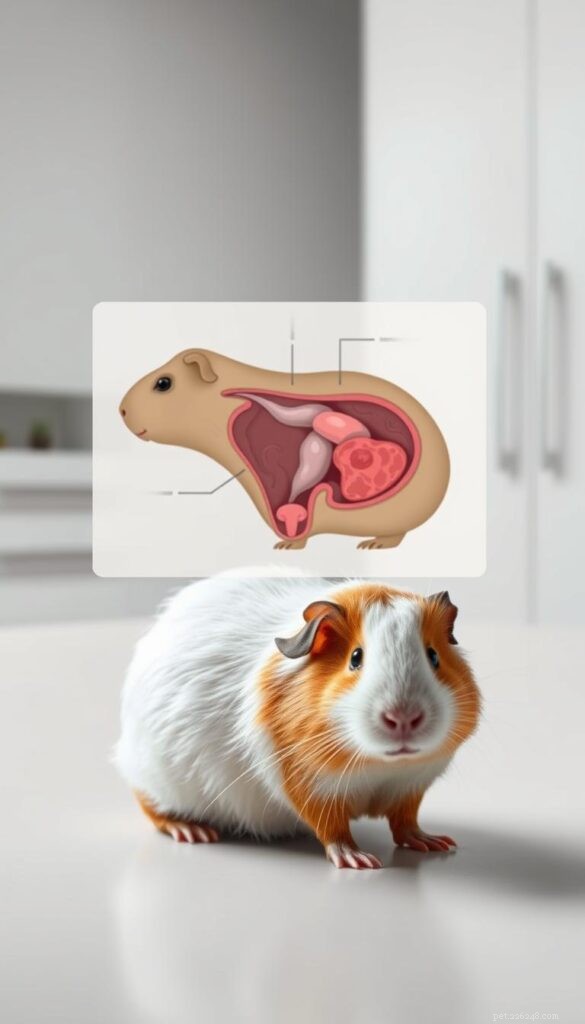
When a female shows signs of pregnancy but no male is visibly present, the most common explanation is a misidentification of sex or brief male exposure. Parthenogenesis is not a natural process in rodents.
Debunking Misconceptions
Guinea pigs are obligate sexual reproducers. The appearance of a “virgin birth” is almost always the result of human error in sexing the animal. Mistakes can occur in pet stores or when previous owners housed mixed groups.
- Incorrect gender labeling in retail settings
- Previous mixed housing before acquisition
- Brief male contact during play or transport
Veterinary literature indicates that over 90 % of unexpected pregnancies can be traced to such errors. Verify your guinea pig’s gender with a qualified professional to prevent accidental breeding.
Recognizing the Signs of Guinea Pig Pregnancy
Early detection of pregnancy allows owners to prepare appropriately. Physical changes and behavioral cues become evident as the gestation progresses.
Body Transformations to Monitor
By week 4 of gestation, the abdomen begins to enlarge and takes on a pear‑shaped contour. At week 6, owners may feel gentle kicks and notice visible skin stretching. The nipples also become larger and darker. Healthy pregnancies typically increase body weight by 25–50 % in the final weeks.
- Week 4: belly expansion begins
- Week 6: detectable kicks and nipple changes
- Final weeks: rapid weight gain
Weigh your guinea pig with a kitchen scale to track progress and confirm a healthy gestation.
Shifts in Daily Habits
Pregnant females may exhibit nesting behaviors, reduced playfulness, and increased food intake—often up to three times the normal hay consumption. They also tend to drink more water and may seek more privacy.
- Nesting: shredding bedding
- Reduced play interest
- Frequent water bottle visits
Veterinarians recommend consulting a professional if you observe these changes, as they are reliable indicators of pregnancy.
Stages of Pregnancy and Labor Dynamics

Understanding the gestational timeline helps you prepare for a smooth delivery.
Breaking Down the 63–70 Day Journey
The gestation period lasts 9–10 weeks, with smaller litters arriving closer to 70 days. The first month shows subtle changes; by week 5–7, the belly expands noticeably and weight increases by up to 30 %. Labor typically occurs midday, lasting 10–30 minutes with pups arriving 3–7 minutes apart.
- Weeks 1–4: minimal visible signs
- Weeks 5–7: belly expansion and weight gain
- Week 8+: full‑term belly and frequent resting
Labor Timeline and Key Signals
Signs of labor include loud squeaks during contractions, head‑tucking posture, and visible straining. Most deliveries conclude within 30 minutes; if labor stalls beyond this, contact a veterinarian immediately.
- Loud squeaks during contractions
- Head‑tucking posture
- Visible straining
Limit handling in the final days, provide extra hay for nesting, and monitor food intake closely. Proper preparation ensures a confident and healthy birth.
Providing the Right Diet and Housing for Pregnant Guinea Pigs

Nutrition and a calm environment are essential during pregnancy. A balanced diet supports fetal development, while a quiet, draft‑free habitat reduces stress.
Powerhouse Nutrition for Growing Families
Unlimited hay—preferably a mix of alfalfa and timothy—provides essential fiber and calcium. Daily vitamin C can be supplemented with bell peppers, kale, or broccoli. Quality pellets formulated for pregnant or nursing guinea pigs should be fed 1/8 cup daily; overfeeding can lead to oversized pups.
Crafting a Peaceful Nursery
Relocate the cage to a quiet room with soft lighting. Add fleece‑lined hideouts, extra bedding layers, and covered areas for privacy. Reduce handling during the last week before delivery, and monitor food intake twice daily to detect potential complications.
Managing Potential Complications and Ensuring Veterinary Care

Pregnancy in guinea pigs carries specific risks. Early identification and timely veterinary intervention can prevent serious complications.
Identifying and Preventing Pregnancy Risks
Sows younger than 7 months have the best chances of a safe delivery. After this age, pelvic bones fuse, increasing the risk of dystocia. First‑time mothers over 1 year old face a fourfold higher risk of emergency C‑sections. Single‑pup litters may be more hazardous than multiples because larger offspring can become trapped.
- No progress after 30 hours of contractions
- Blood stains around the cage
- Refusal to eat for 12+ hours
When to Call a Cavy‑Savvy Vet
Schedule prenatal check‑ups at weeks 4 and 6. Ultrasounds can reveal litter size and help anticipate potential delivery challenges. Act immediately if you see prolonged labor, pups arriving more than 1 hour apart, or a weak or disoriented mother. Keep your veterinarian’s after‑hours number visible; swift action saves lives.
Wrapping Up Your Guinea Pig Breeding Journey
Healthy guinea pig pups are born fully furred, with open eyes and a weight of 45–115 grams. They begin nibbling solid food while nursing and reach weaning at 180 grams between 14 and 28 days. Consistent care, unlimited hay, and vitamin C‑rich vegetables support their rapid growth.
Key preventive tip: separate male guinea pigs by 3 weeks old to avoid accidental breeding. Females can remain with their mother longer but should still be monitored closely.
With vigilant monitoring, routine veterinary visits, and a calm environment, your guinea pig family will thrive. Enjoy watching their playful personalities grow!
FAQ
How soon can female guinea pigs become pregnant?
Females reach sexual maturity as early as 4–6 weeks old. Separate them from males by 3 weeks to prevent accidental pregnancies. Breeding before 6 months can pose health risks due to underdeveloped bodies.
Do guinea pigs reproduce asexually or without mating?
No—males are required for pregnancy. Myths about “virgin births” often stem from delayed pregnancies following prior mating. Always assume that male contact can lead to pregnancy.
What physical signs indicate pregnancy?
Look for rapid weight gain, a pear‑shaped abdomen, and mammary development. By week 4, you may feel gentle kicks during handling.
How long is the gestation period?
Pregnancy lasts 59–72 days. Larger litters (2–6 pups) often arrive sooner. Monitor closely in the final week, as labor typically lasts 30 minutes but can extend up to 6 hours.
What diet supports a healthy pregnancy?
Boost vitamin C with bell peppers and leafy greens. Timothy hay aids digestion, while alfalfa provides extra calcium. Avoid sudden diet changes to prevent stress.
Should you adjust their housing setup?
Yes—create a quiet, draft‑free space with low platforms. Use soft bedding like fleece to protect newborns. Remove males to prevent back‑to‑back pregnancies.
What complications require a vet?
Contact a cavy‑savvy vet if labor stalls over 1 hour, bleeding occurs, or the sow stops eating. Prolonged pregnancies beyond 72 days also require immediate attention.
Can siblings from the same litter mate?
Yes—they will breed once mature. Separate males by 3 weeks old. Inbreeding raises genetic risks, so plan housing carefully if keeping mixed genders.
- April: Dedicated Heartworm Awareness Month – Protect Your Pets Today
- Why Dogs Need Outdoor Time: The Case Against Keeping Them Indoors
- Essential Actions After Your Aquarium Cycles: Ensuring a Healthy Setup
- Celebrate National Puppy Day: Expert Tips for Choosing & Training Your New Companion
- 5 Proven Health Benefits of Feeding Your Dog Fresh Food
- Azawakh: A Complete Guide to the Elegant West African Sighthound
- Essential Post‑Hurricane Safety: What to Do When Floodwater Rises